
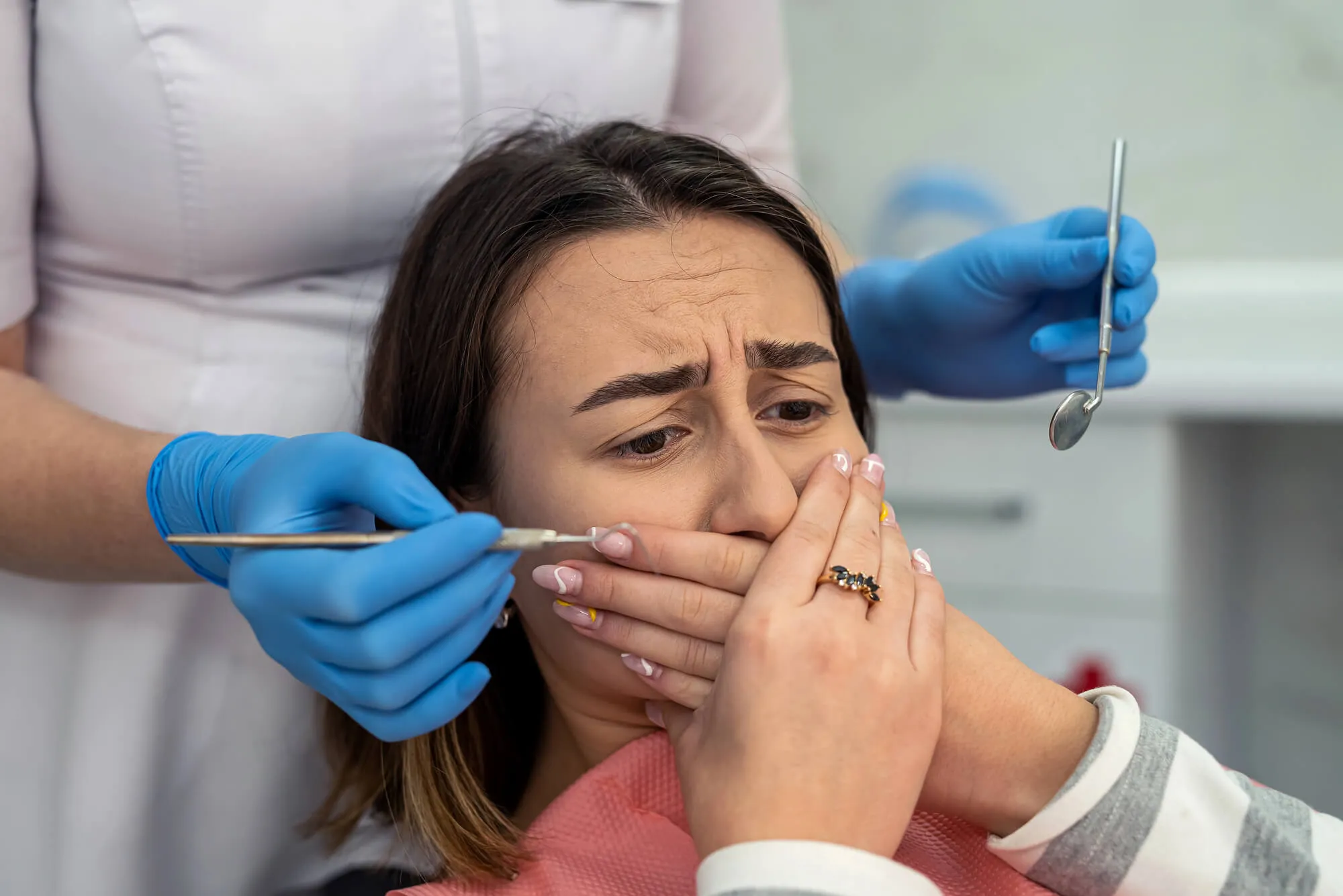
One moment you’re enjoying a basketball game, riding your bike, or simply walking through your home. Next, you’re holding your mouth after an unexpected fall or impact. Dental emergencies rarely happen when you expect them, and even seemingly minor accidents can leave a tooth chipped, cracked, or knocked out. Knowing how these injuries happen and what to do next can make a meaningful difference. Visiting an emergency dentist in Miami soon after an injury allows the damage to be evaluated promptly and may improve the chances of preserving your natural teeth.

Everyday Activities Can Put Your Teeth at Risk
Dental injuries are often associated with organized sports, but they can happen almost anywhere. Routine activities at home, school, work, or outdoors sometimes create situations where the teeth and jaw are vulnerable to injury.
Contact Sports Increase the Risk of Dental Trauma
Athletes participating in contact sports are among those most likely to experience dental injuries.
Sports that commonly involve facial impact include:
- Basketball
- Football
- Hockey
- Soccer
- Martial arts
Even sports with less physical contact, such as baseball, skateboarding, cycling, and volleyball, may result in accidents involving the mouth.
Injuries may include:
- Chipped teeth
- Cracked teeth
- Knocked-out teeth
- Cuts to the lips and gums
- Jaw injuries
Custom mouthguards may help reduce the risk of injury by cushioning the teeth during impact.
Everyday Accidents Can Be Just as Serious
Not every dental emergency happens during athletic activities.
Unexpected injuries may result from:
- Slipping on wet floors
- Falling down stairs
- Bicycle or scooter accidents
- Accidental collisions with furniture or doors
- Workplace accidents
- Playground falls
Children and older adults may experience falls more frequently, though dental emergencies can affect people of any age.
Dental Injuries That Should Never Be Ignored
Some dental injuries are immediately obvious, while others develop symptoms gradually. Even when discomfort seems mild, a professional evaluation may be appropriate.
A Knocked-Out Tooth
A knocked-out permanent tooth requires immediate attention.
If possible:
- Hold the tooth by the crown rather than the root.
- Gently rinse away dirt without scrubbing.
- Place it back into the socket if it can be done safely.
- If not, keep it moist in milk or a tooth preservation solution.
- Contact a dental office immediately.
Prompt care may improve the chances of preserving the tooth.
A Broken or Cracked Tooth
Not every crack is easy to see.
Patients may notice:
- Pain while chewing
- Sensitivity to hot or cold
- Sharp edges
- Visible fractures
Even small cracks should be evaluated, as continued chewing may allow the damage to spread.
A Tooth That Feels Loose or Out of Position
An impact may not completely remove a tooth, but can cause it to shift.
Signs include:
- A loose tooth
- A tooth pushed inward
- A tooth pulled outward
- Changes in the way the teeth come together
These injuries should be evaluated promptly to determine whether the tooth and surrounding structures can be stabilized.

Why Prompt Care Matters
Waiting to see whether symptoms improve may make certain injuries more difficult to treat.
Small Cracks Can Become Larger
A crack that seems minor today may continue to spread each time you bite or chew.
As the fracture extends deeper into the tooth, treatment options may become more complex.
Hidden Damage Is Not Always Visible
Some injuries affect the inside of the tooth even when the surface appears relatively normal.
Increasing sensitivity, discomfort while chewing, or changes in tooth color may develop days after the accident.
Soft Tissue Injuries Also Deserve Attention
Cuts involving the lips, cheeks, tongue, or gums may require professional care. A dental examination also helps determine whether damage extends beyond the visible injury.
What You Should Do After a Dental Injury
Knowing how to respond before arriving at the dental office may help protect your oral health.
Control Bleeding
Apply gentle pressure using clean gauze if bleeding is present. A cold compress placed against the outside of the face may help reduce swelling.
Protect the Injured Area
Avoid chewing on the affected side of the mouth until you have been evaluated. Soft foods may help reduce pressure on injured teeth.
Contact a Dental Office Promptly
Not every dental injury requires a trip to the emergency room, though dental injuries should never be ignored. Calling the dental office allows the team to assess your symptoms and recommend how quickly you should be seen.
Reducing the Risk of Future Dental Emergencies
While accidents cannot always be prevented, a few simple habits may lower the risk of injury.
Wear Protective Equipment
Custom mouthguards are recommended for contact sports and many recreational activities involving falls or collisions.
Avoid Using Teeth as Tools
Packages, bottle caps, and hard objects should be opened with the appropriate tools rather than your teeth.
Keep Up with Routine Dental Visits
Regular dental examinations may identify weakened teeth, worn restorations, or small cracks before an accident causes additional damage.
How Dental Emergencies May Be Treated
Every injury is different, so treatment depends on the type and extent of the damage.
Following a thorough examination, treatment may include:
- Dental bonding for chipped teeth
- Dental crowns for fractured teeth
- Root canal therapy if the inner portion of the tooth has been affected
- Repositioning or stabilizing injured teeth
- Tooth extraction when a tooth cannot be preserved
- Dental implants or other tooth replacement options, when replacement becomes necessary
Whenever possible, the goal is to preserve the natural tooth while restoring comfort, appearance, and function.
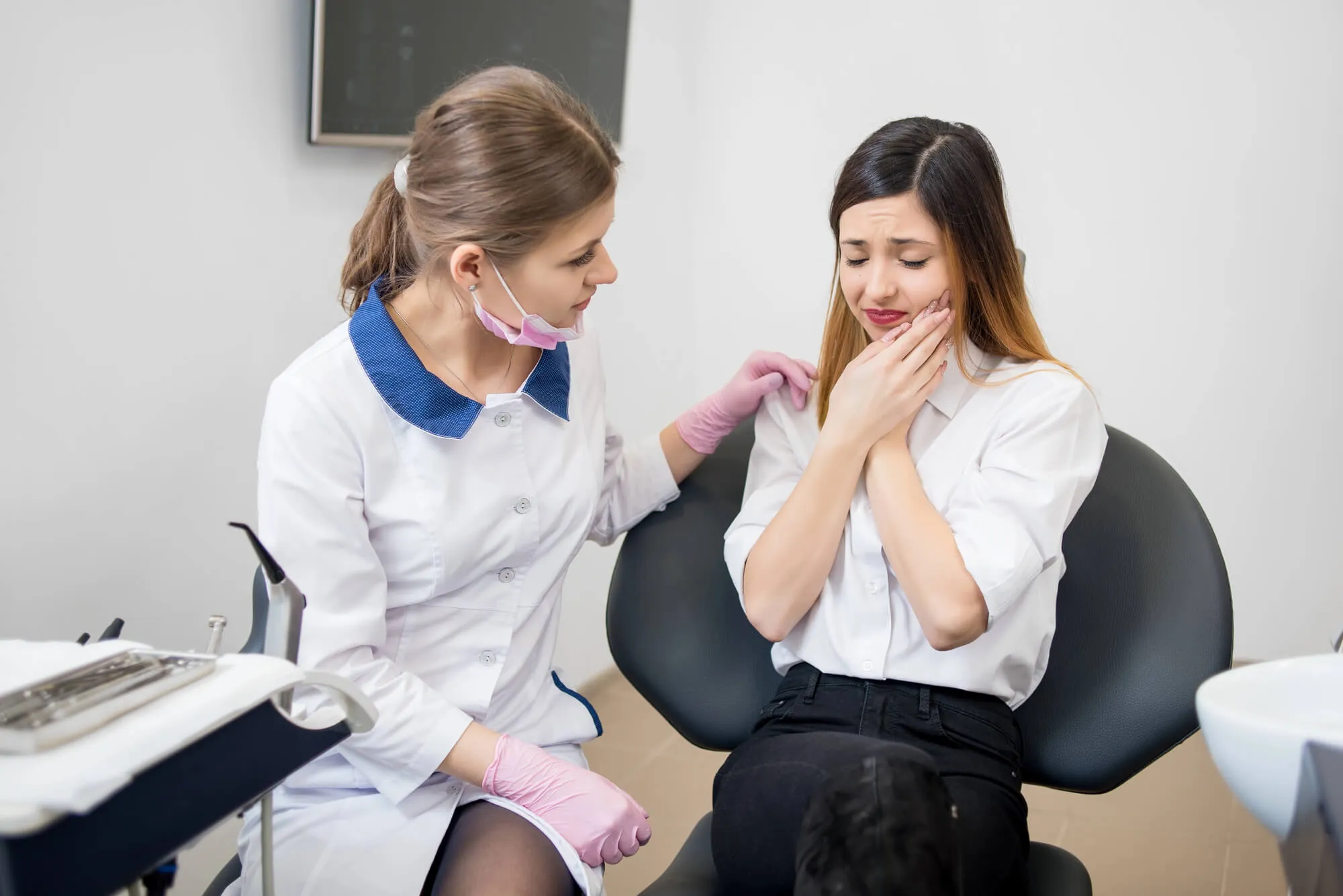
Protect Your Smile with an Emergency Dentist in Miami
Sports injuries and everyday accidents can happen without warning, but knowing how to respond may help protect your teeth and reduce the risk of further damage. Prompt evaluation allows injuries to be assessed before they become more complicated.
At Friedman Dental Group, compassionate, personalized care guides every emergency visit. If you need an emergency dentist in Miami, contact our team for timely care and recommendations tailored to your oral health needs.