
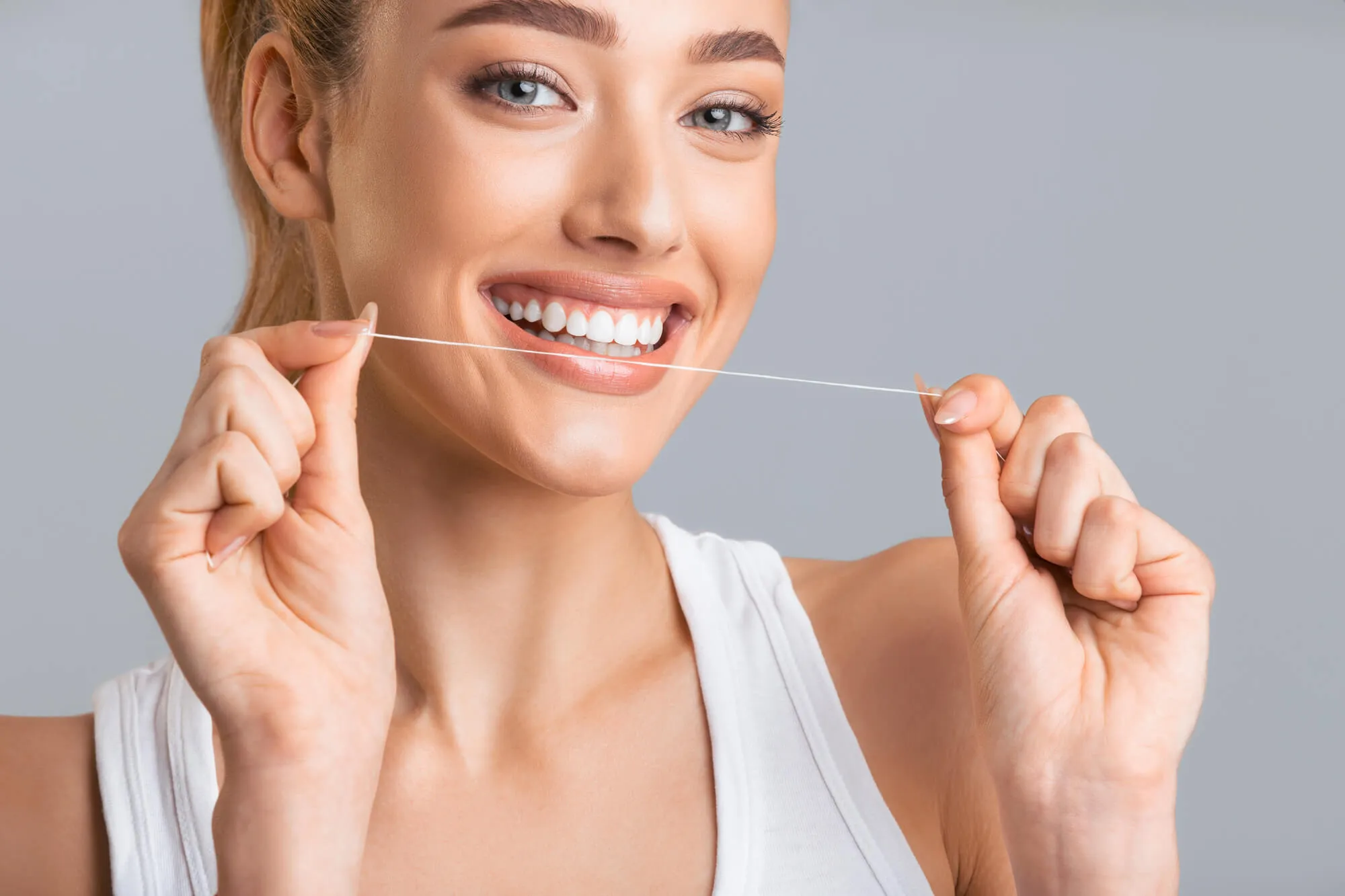
Most people know that brushing and flossing are important, but healthy smiles are built through a series of daily habits rather than one single routine. Small choices made throughout the day, from the foods you eat to how often you replace your toothbrush, can influence the condition of your teeth and gums over time.
Visiting a dentist in Coral Springs complements these everyday efforts by identifying changes that may not yet be visible or causing discomfort, helping patients maintain healthy smiles at every stage of life.
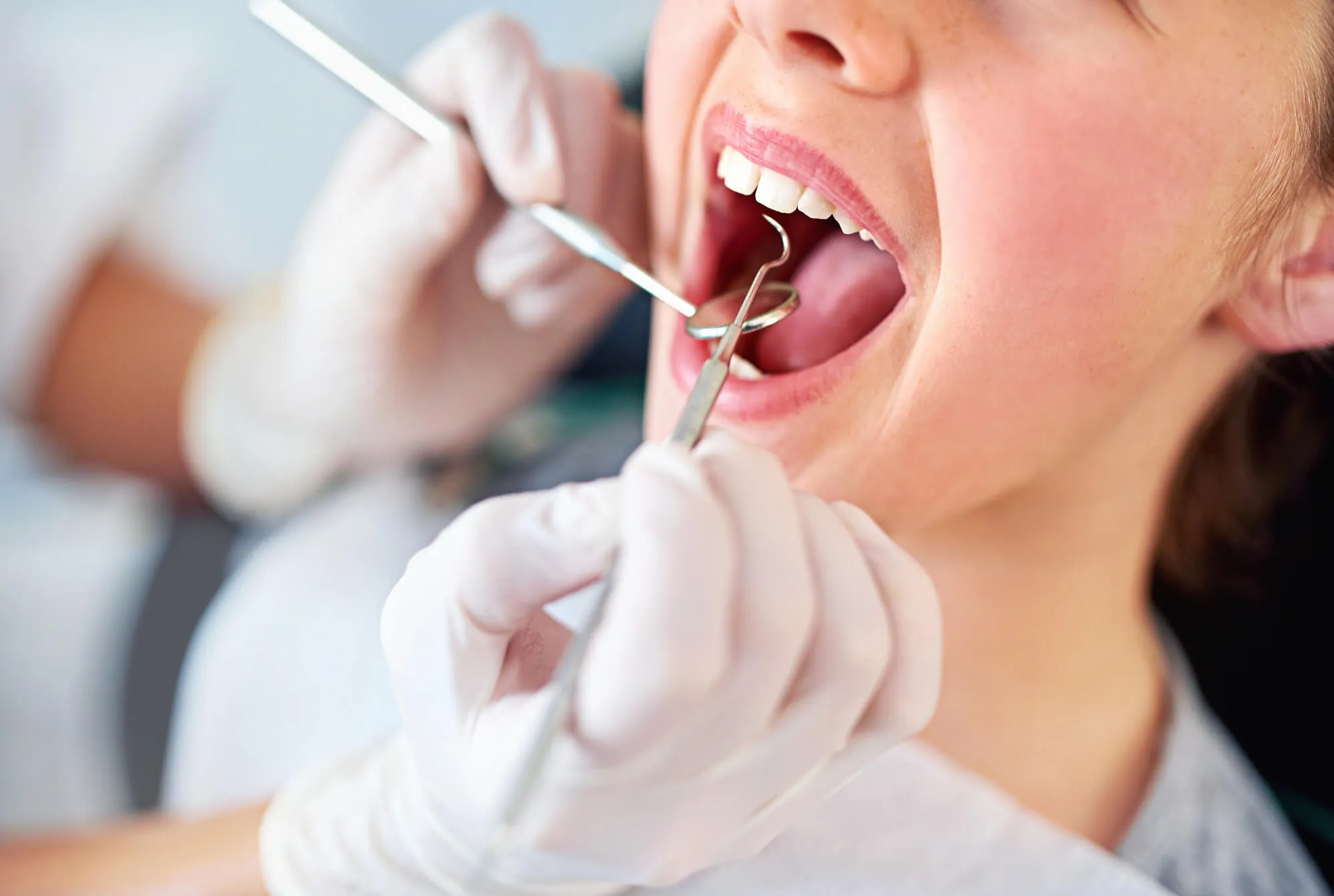
Healthy Smiles Are Built One Habit at a Time
Good oral health is not achieved overnight. Consistent habits performed every day often have the greatest impact over the years.
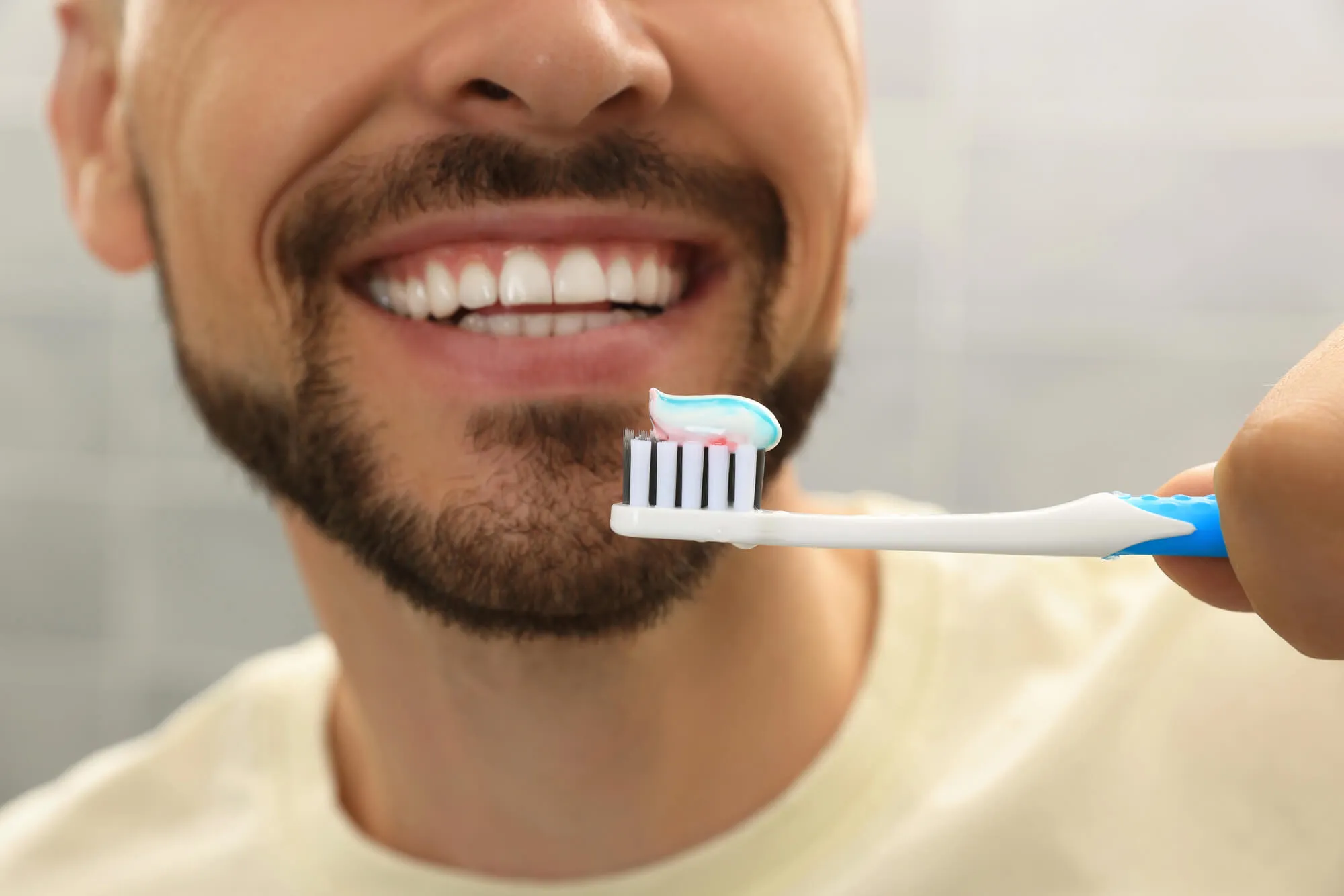
Brush Thoroughly Twice Each Day
Brushing removes plaque and food particles before they build up on the teeth and around the gumline.
For the best results:
- Brush for at least two minutes.
- Use a soft-bristled toothbrush.
- Clean every surface of each tooth.
- Brush gently along the gumline.
Brushing too aggressively may contribute to gum recession or unnecessary enamel wear, making proper technique just as important as frequency.
Don’t Skip Flossing
A toothbrush cannot effectively clean between teeth.
Daily flossing helps remove plaque and debris from areas that brushing alone cannot reach.
Consistent flossing also supports healthy gums by reducing the buildup of bacteria between teeth, where early changes often begin.
Replace Your Toothbrush Regularly
Toothbrush bristles gradually wear down with use.
Replacing a toothbrush every three to four months, or sooner if the bristles become frayed, helps maintain effective cleaning. Toothbrushes should also be replaced after recovering from certain illnesses.
Daily Choices Affect More Than You Might Think
Oral health is influenced by habits that extend beyond brushing and flossing.
Choose Foods That Support Oral Health
The food and drinks you consume affect your teeth throughout the day.
Limiting frequent sugary snacks and beverages helps reduce the amount of time bacteria produce acids that affect tooth enamel.
Choosing water instead of sugary drinks between meals may also support both oral health and overall hydration.
Avoid Using Teeth as Tools
Teeth are designed for chewing food, not opening packages or biting hard objects.
Using teeth to:
- Open bottles
- Tear plastic packaging
- Bite fingernails
- Chew ice
may increase the risk of chips, cracks, or unnecessary wear.
Be Aware of Teeth Grinding
Some people clench or grind their teeth without realizing it, particularly during sleep.
Over time, grinding may contribute to:
- Flattened tooth surfaces
- Small fractures
- Jaw discomfort
- Increased tooth sensitivity
Discussing these habits during routine dental visits allows the dental team to recommend appropriate options when needed.
Preventive Dental Visits Complete Your Routine
Even excellent home care cannot replace professional dental evaluations.
Professional Cleanings Reach Areas You Cannot
Plaque that remains on the teeth for long periods can harden into tartar.
Professional dental cleanings remove tartar that cannot be eliminated through brushing and flossing alone.
Regular cleanings also provide an opportunity to review oral hygiene techniques and identify areas that may need additional attention.
Routine Examinations Help Identify Changes Early
Not every dental concern causes immediate symptoms.
Routine examinations allow dentists to monitor:
- Tooth wear
- Existing fillings or crowns
- Gum health
- Bite changes
- Early signs of cavities
Monitoring these changes over time often allows concerns to be addressed before they become more complex.
Healthy Habits Change Throughout Life
The same routine may not meet every patient’s needs forever.
Children Learn Habits That Last
Early dental visits help children become familiar with preventive care while encouraging healthy brushing and flossing routines at home.
These appointments also allow the dental team to monitor tooth development as children grow.
Adults Face Different Challenges
Busy schedules, stress, dietary habits, and previous dental work all influence oral health during adulthood.
Routine preventive care helps monitor these changes while supporting healthy teeth and gums over time.
Older Adults Benefit from Continued Preventive Care
As people age, they may experience:
- Dry mouth
- Gum recession
- Changes involving existing dental restorations
Regular evaluations help monitor these changes and provide recommendations based on each patient’s evolving oral health needs.
Small Habits Create Long-Term Results
Healthy smiles are often the result of consistent routines rather than dramatic changes.
Simple habits that make a meaningful difference include:
- Brushing twice each day
- Flossing daily
- Choosing tooth-friendly foods
- Drinking plenty of water
- Wearing a mouthguard during sports
- Visiting the dentist regularly
Although each habit may seem small on its own, together they create a strong foundation for long-term oral health.
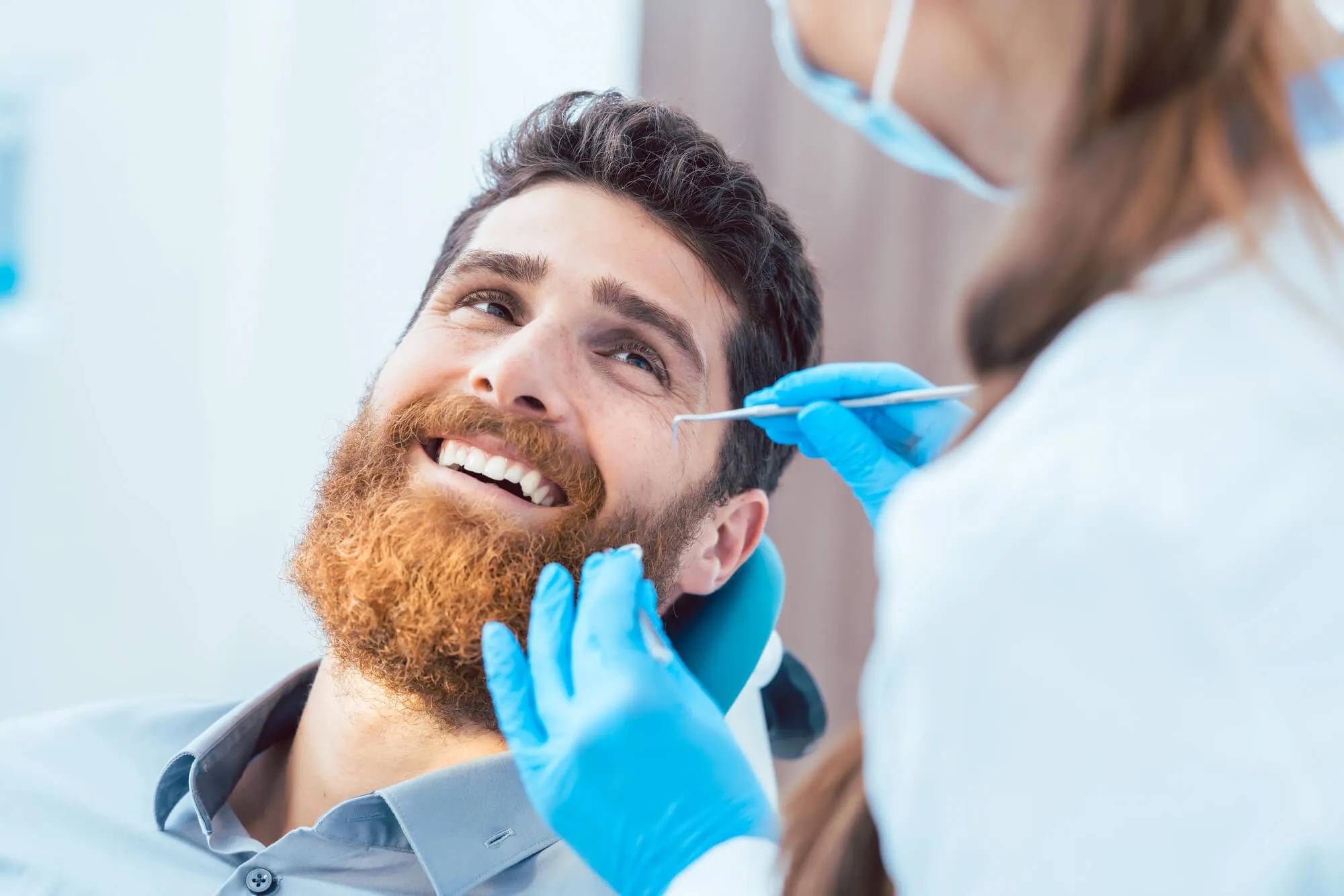
Build Healthy Habits with a Dentist in Coral Springs
Healthy teeth and gums are supported by the choices you make every day. Brushing, flossing, balanced nutrition, and routine preventive care all work together to protect your smile and identify changes before they become more difficult to manage.
At Friedman Dental Group, personalized care, patient education, and preventive dentistry guide every visit. The team takes time to understand your oral health needs and provide recommendations that support lifelong healthy smiles. If you’re looking for a dentist in Coral Springs, schedule an appointment to keep your oral health on the right track with comprehensive preventive care.