
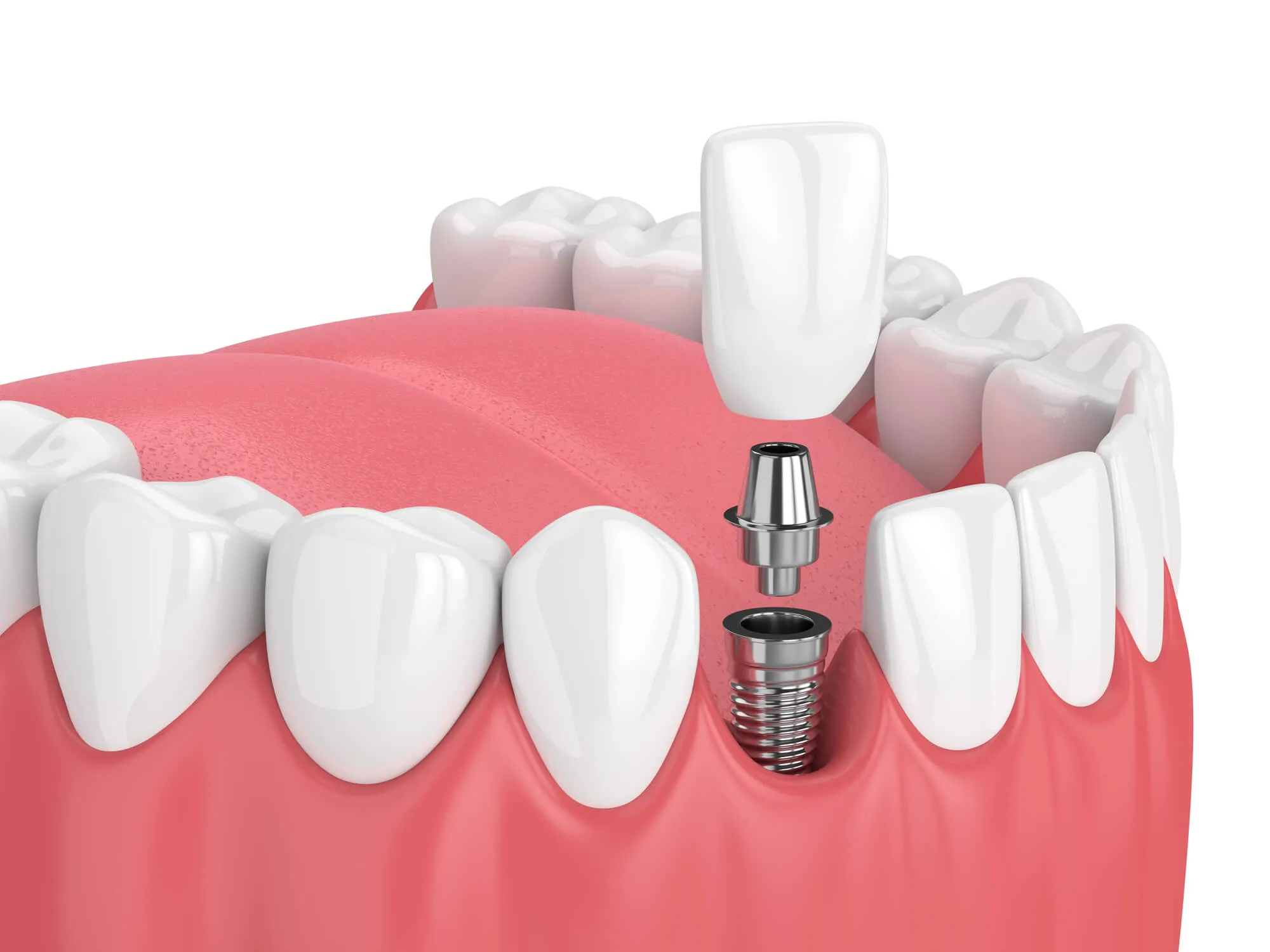
Have you been living with a missing tooth for years and wondering if it’s still possible to replace it? It’s a common question, especially when the gap has become part of everyday life. Changes in the mouth can happen gradually, which makes timing feel uncertain. Some patients assume they have waited too long. Those considering the best dental implants in Miami often want to know whether treatment is still an option after time has passed.
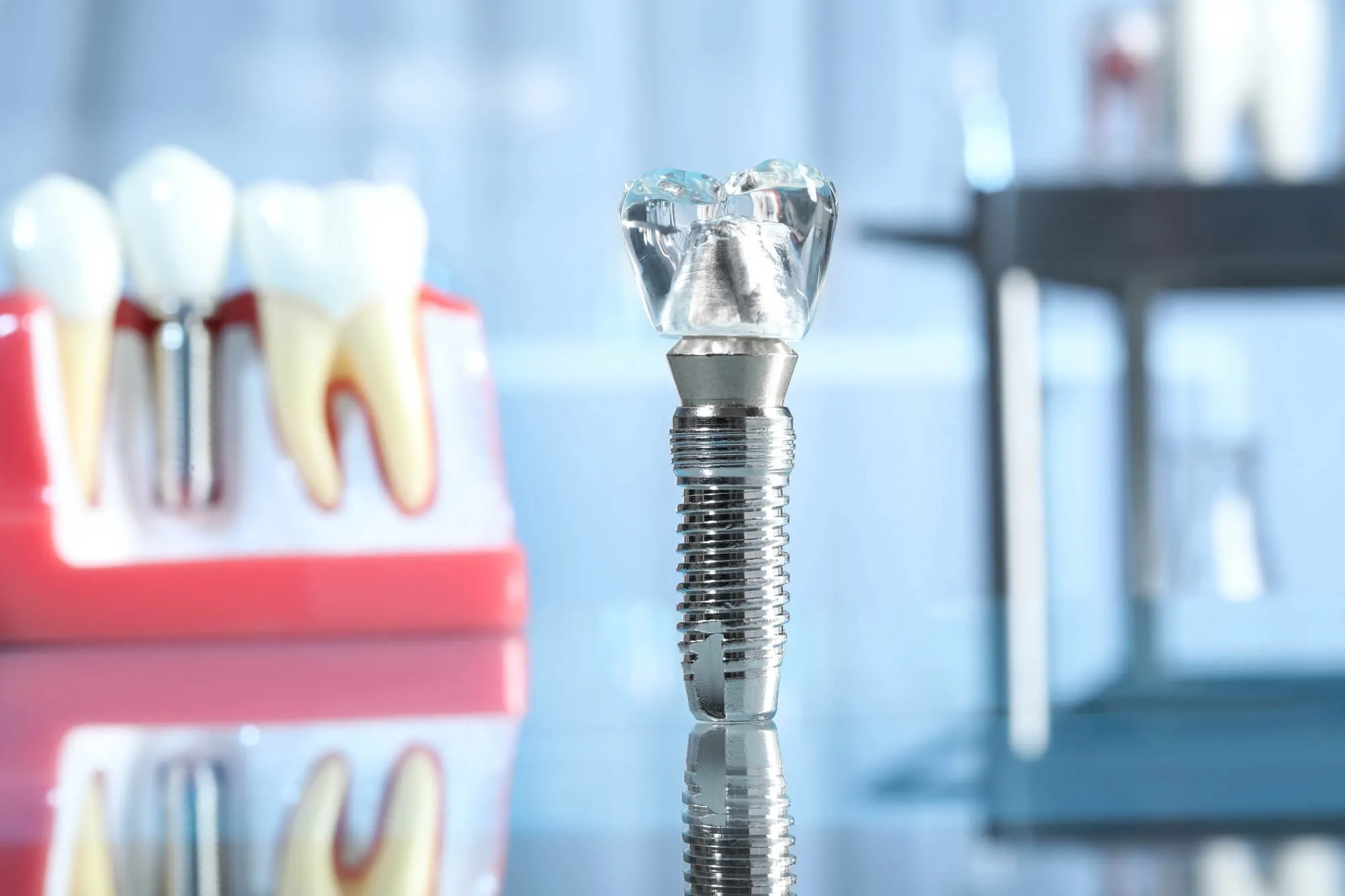
What Happens After a Tooth Has Been Missing for Years
Tooth loss does not only affect appearance. Changes begin beneath the surface, particularly in the jawbone and surrounding teeth. These changes develop over time and may influence how dental implants are planned.
Bone Changes Over Time
The jawbone relies on stimulation from tooth roots to maintain its structure. Once a tooth is lost, that stimulation is reduced. Over time, the bone in that area may begin to shrink.
This process, known as bone resorption, can affect:
- The height of the jawbone
- The width of the bone
- Overall stability in the area
As the bone changes, it may influence how an implant can be placed. Even so, this does not always prevent treatment. It may simply require additional evaluation.
Shifting of Nearby Teeth
Teeth naturally support each other. When one is missing, adjacent teeth may begin to shift into the open space.
This can lead to:
- Changes in alignment
- Uneven spacing
- Bite imbalances
These changes may affect how an implant is positioned and may require planning to restore proper alignment.
Changes in Bite and Function
A missing tooth can alter how the upper and lower teeth come together. Over time, this may affect chewing patterns and overall comfort.
Some patients adjust without noticing, while others experience uneven pressure on certain teeth. These patterns are often evaluated during a dental exam to determine the best approach for restoration.

Can Dental Implants Still Be an Option?
Even after several years, dental implants may still be possible. The timing of tooth loss does not automatically disqualify a patient from treatment.
Dentists evaluate several factors to determine whether implants are suitable, including bone structure, gum health, and overall oral condition.
Bone Grafting as a Support Option
If the jawbone has thinned, additional procedures may be considered to support implant placement. Bone grafting is one approach that helps rebuild or strengthen the area.
This process involves adding material to the bone to create a more stable foundation. Over time, the body integrates this material, which may allow for implant placement later on.
Not every patient requires this step, yet it can expand options for those who have experienced bone changes.
Gum Health and Implant Placement
Healthy gums provide support around the implant site. If gum inflammation is present, it may be addressed before moving forward with treatment.
Dentists assess gum condition to ensure the area can support healing. Establishing a stable environment helps improve how the implant integrates with surrounding structures.
Planning Based on Individual Needs
Each case is different. Some patients may be ready for implants without additional procedures, while others may require a staged approach.
Dentists consider:
- Bone levels
- Tooth positioning
- Bite alignment
- Overall oral health
This evaluation helps determine how implants can be placed in a way that supports long-term function and appearance.
What Patients Notice After Replacing a Missing Tooth
Replacing a missing tooth can affect both function and appearance. Patients often notice changes in how their teeth feel during everyday activities, especially when eating or speaking. Once the gap is restored, the bite may feel more even and stable.
These may include:
Improved chewing ability
More balanced bite pressure
A more complete smile
Some patients also notice that food is easier to chew on both sides, rather than relying on one area. Speech may feel more natural as well, particularly if the missing tooth affected how certain sounds were formed. Restoring the area can also help maintain alignment and reduce shifting of nearby teeth over time, supporting a more stable and comfortable bite.
When It May Be Time to Consider Treatment
Even if a tooth has been missing for years, certain signs may indicate that evaluation is helpful. Some changes develop gradually and may not feel urgent at first, yet they can affect comfort and function over time.
These may include:
- Difficulty chewing on one side
- Changes in bite or alignment
- Gaps that affect the appearance of the smile
- Concerns about long-term oral health
You may also notice uneven pressure when biting or a tendency to favor one side while eating. A dental visit allows for a closer look at the area and helps determine what options may be available based on your current oral health.
Restore Your Smile With the Best Dental Implants in Miami
Living with a missing tooth for years does not always limit your options. With careful evaluation and planning, dental implants may still be possible, even after time has passed.
At Friedman Dental Group, patient comfort and personalized care guide every visit. The team uses advanced dental technology in a welcoming, spa-like setting designed to support a relaxed experience. For those considering the best dental implants in Miami, a consultation allows the dental team to assess your oral health and recommend options tailored to your needs, helping you restore both function and confidence in your smile.