
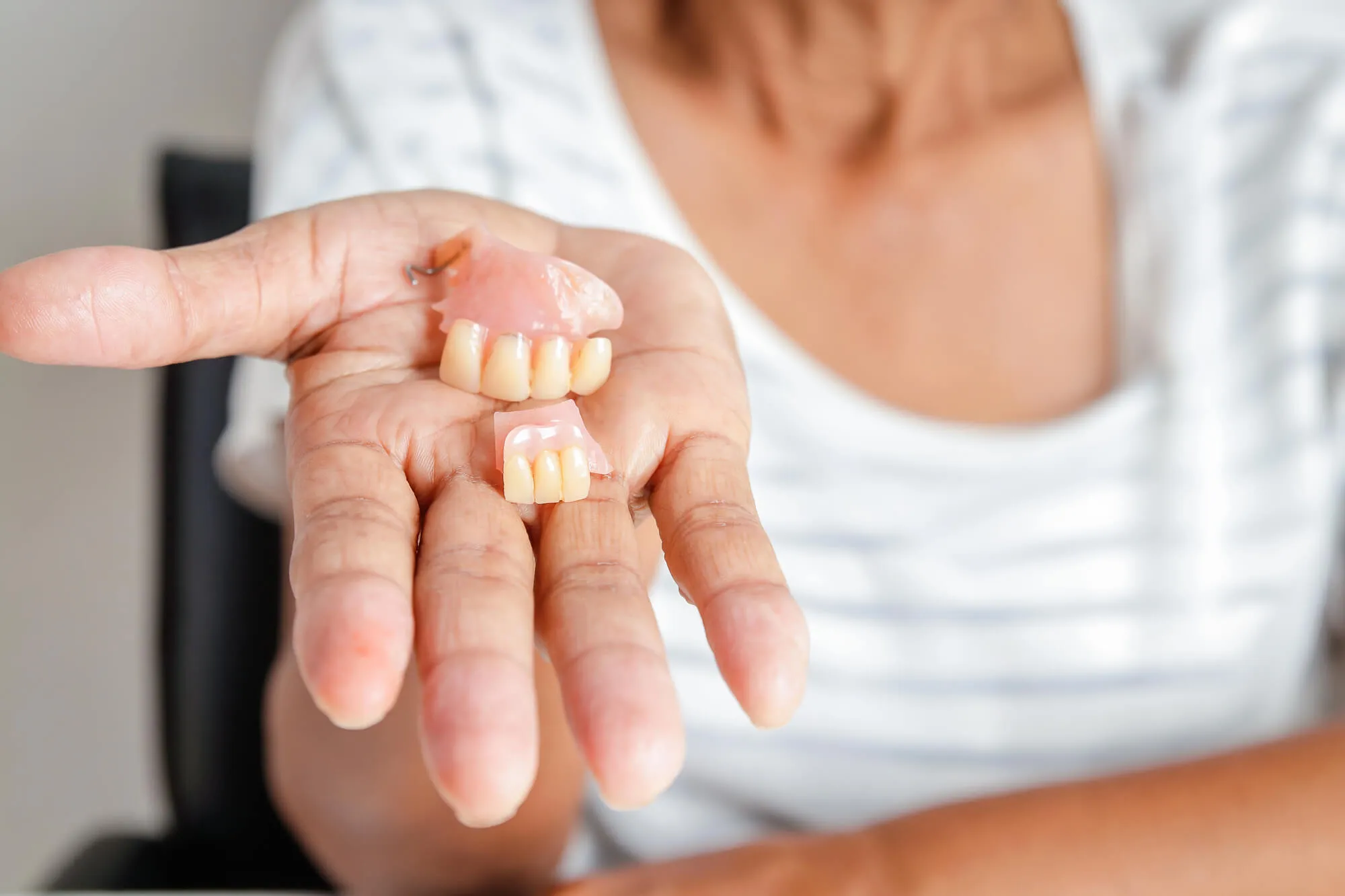
Why do some dentures feel natural and stable while others remain uncomfortable even after time has passed? Comfort is often one of the first things patients notice after getting dentures. Small differences in fit, pressure, or movement can affect eating, speaking, and daily routines more than expected. Questions about comfort are common, especially for people reviewing dentures in Tamarac Medicare options and trying to understand what may influence long-term wearability.
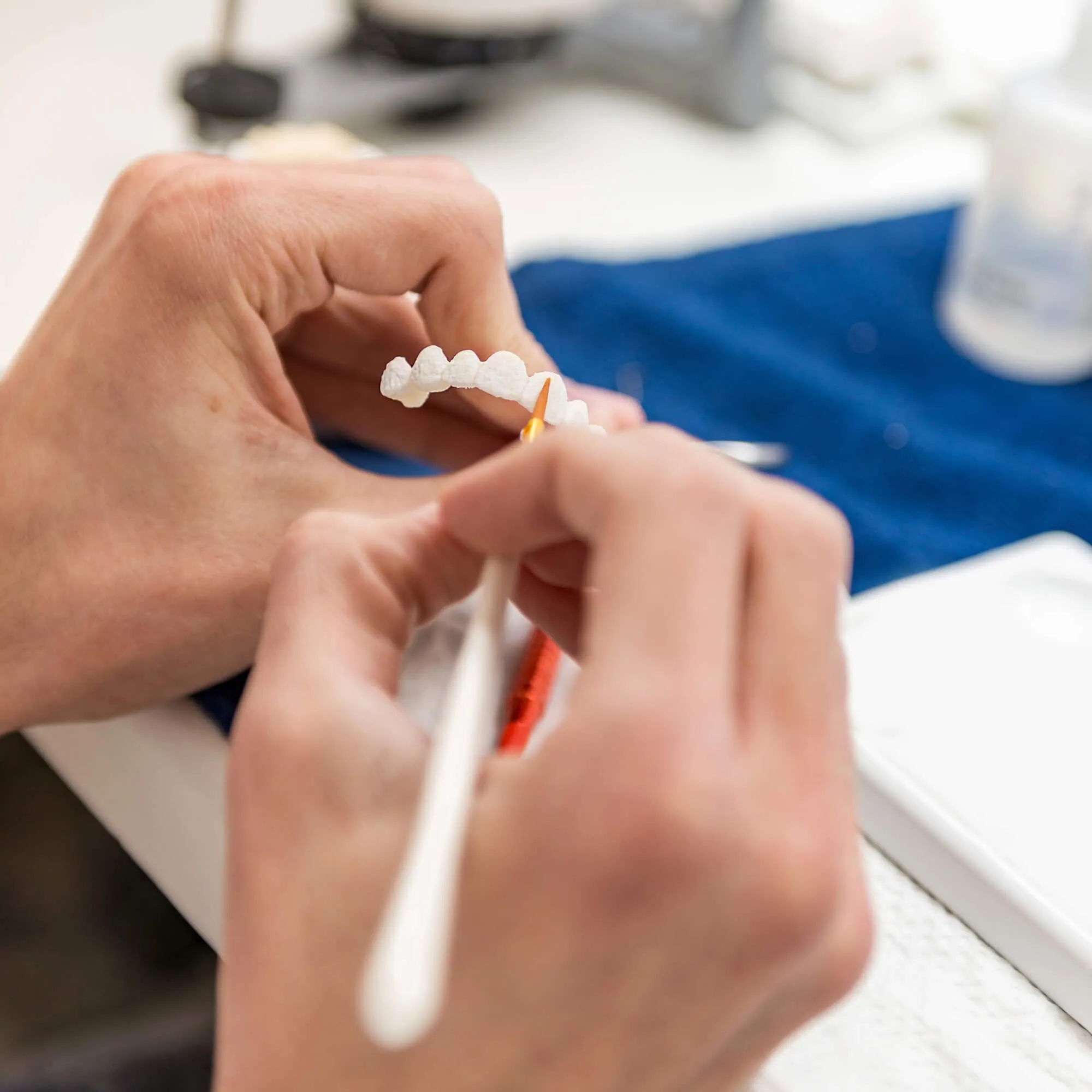
What Affects Denture Comfort?
Several factors can influence how dentures feel throughout the day. Comfort is not based on a single detail. It often depends on how different elements interact in the mouth.
The Fit of the Dentures
Fit is one of the biggest factors affecting comfort. Dentures should rest securely against the gums without creating uneven pressure.
When dentures do not fit properly, patients may notice:
- Soreness in certain areas
- Movement while eating or speaking
- Pressure along the gums
- Increased irritation over time
Even small changes in fit can affect daily comfort. Dentures that feel loose or uneven may create friction that becomes more noticeable throughout the day.
Changes in the Shape of the Gums
The gums and jawbone can change over time, especially after tooth loss. Because of this, dentures that once felt comfortable may begin to fit differently later on.
Patients may experience:
- Increased movement
- Changes in bite pressure
- Areas that rub against the gums
This is one reason periodic evaluations remain important after dentures are placed.
Bite Alignment
Comfort is also affected by how the upper and lower dentures come together. If the bite feels uneven, pressure may shift to certain areas of the mouth.
This may lead to:
- Difficulty chewing evenly
- Jaw tension
- Soreness in one area
Balanced bite alignment helps distribute pressure more evenly during daily activities.
The Design of the Dentures
Not all dentures are designed the same way. The shape, thickness, and contour can influence how natural they feel.
A well-designed denture may help support:
- More stable chewing
- Reduced irritation
- Better overall comfort
Small design adjustments can sometimes make a noticeable difference in daily wear.
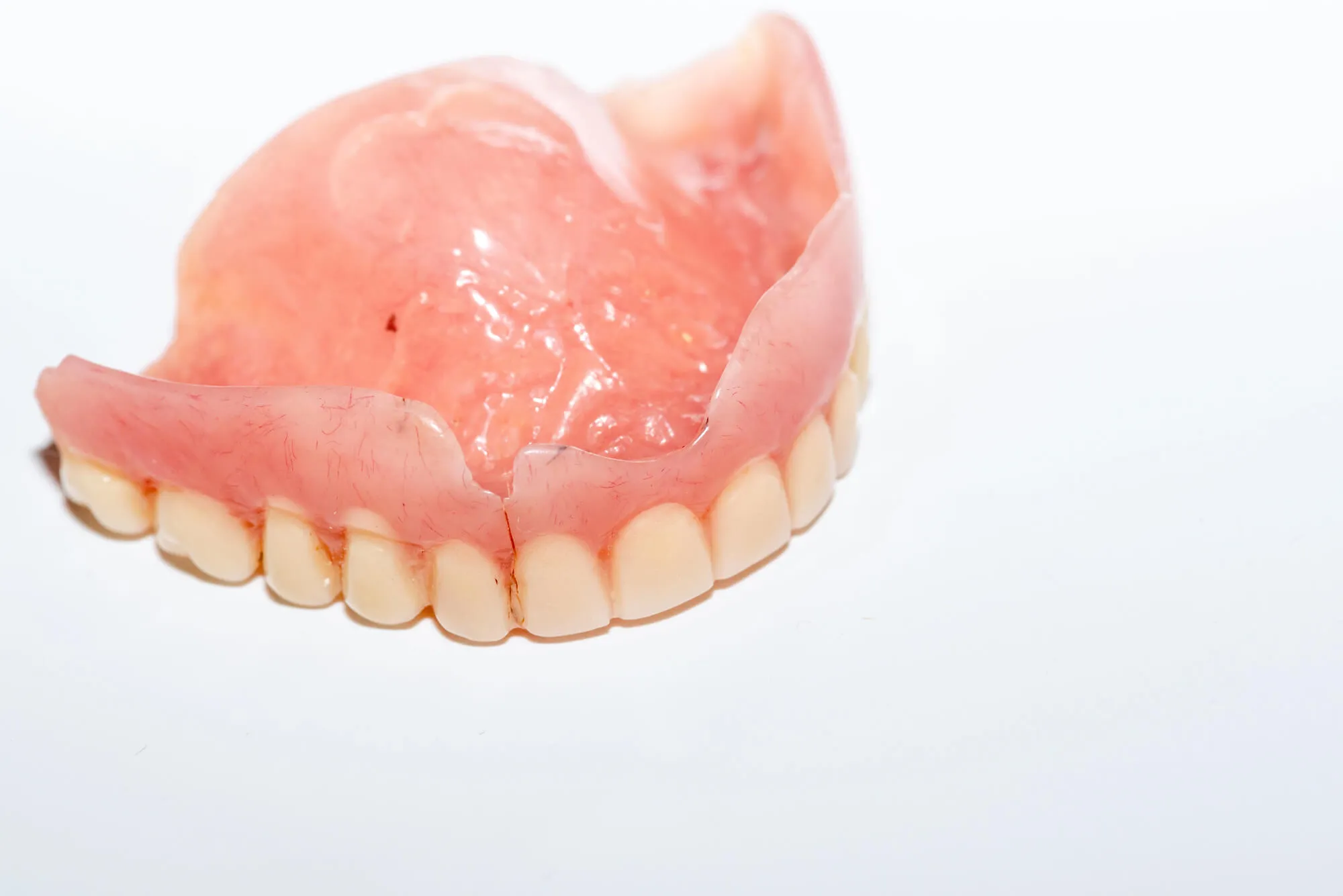
Why Comfort Often Changes Over Time
Dentures may feel different from month to month or year to year. Oral structures continue changing after tooth loss, which can influence how dentures fit later on.
Bone and Gum Changes
After teeth are lost, the jawbone may gradually shrink in certain areas. This can alter how dentures rest against the gums.
Over time, patients may notice:
- Looser dentures
- Increased shifting
- Changes in pressure points
These changes may happen gradually, making them easy to overlook at first.
Wear From Daily Use
Dentures experience daily pressure from chewing and speaking. Over time, natural wear may affect how they function.
This may influence:
- Stability during meals
- How evenly the dentures fit together
- Overall comfort throughout the day
Routine evaluations can help identify these changes before discomfort becomes more noticeable.
Muscle Adjustment and Adaptation
The muscles of the cheeks, tongue, and jaw also adapt to dentures over time. During the adjustment period, some patients may feel that dentures are bulky or unfamiliar.
This stage may involve:
- Mild speech changes
- Increased awareness of the dentures
- Difficulty adjusting during meals
As the muscles adapt, dentures may begin to feel more natural during everyday activities.
Habits That May Affect Denture Comfort
Daily routines can influence how dentures feel over time.
Cleaning Habits
Dentures should be cleaned regularly to help maintain freshness and reduce buildup.
Poor cleaning habits may contribute to:
- Gum irritation
- Odor buildup
- Increased discomfort
Consistent care supports both comfort and oral hygiene.
Wearing Dentures Continuously
Some patients wear dentures for extended periods without allowing the gums to rest. This may increase irritation over time.
Allowing short periods without dentures may help reduce ongoing pressure on the gums.
Diet and Chewing Patterns
Certain foods place more pressure on dentures than others. Patients sometimes adjust chewing habits naturally to avoid discomfort.
Examples include:
- Chewing only on one side
- Avoiding firmer foods
- Taking smaller bites
These adjustments may signal that the dentures need evaluation.
What Comfortable Dentures May Help Improve
Comfort often affects more than physical sensation alone. Stable dentures may support confidence and daily function.
Patients may notice improvements in:
- Speaking more comfortably
- Eating a wider variety of foods
- Reduced gum irritation
- More confidence during conversations
Even small improvements in fit can influence daily routines in meaningful ways.
When It May Be Time for an Evaluation
A dental visit may help if dentures begin feeling different than before.
Signs may include:
- Increased movement while speaking
- Soreness along the gums
- Difficulty chewing comfortably
- Changes in bite pressure
- Areas that rub repeatedly
An evaluation allows the dentist to assess fit, bite alignment, and overall function.

Improve Everyday Comfort With Dentures in Tamarac for Medicare Patients
Denture comfort is influenced by fit, bite balance, gum changes, and daily habits. Even small adjustments can affect how dentures feel during meals, conversations, and daily activities. Paying attention to these changes may help support long-term comfort and function.
At Friedman Dental Group, patient comfort and personalized care guide every visit. The team provides denture solutions designed to support stability, function, and natural appearance in a welcoming, modern setting. For patients reviewing dentures in Tamarac with Medicare-related considerations, the team offers guidance tailored to each patient’s needs and goals. Scheduling a consultation allows the dental team to evaluate fit, discuss concerns, and recommend options that support long-term comfort.