
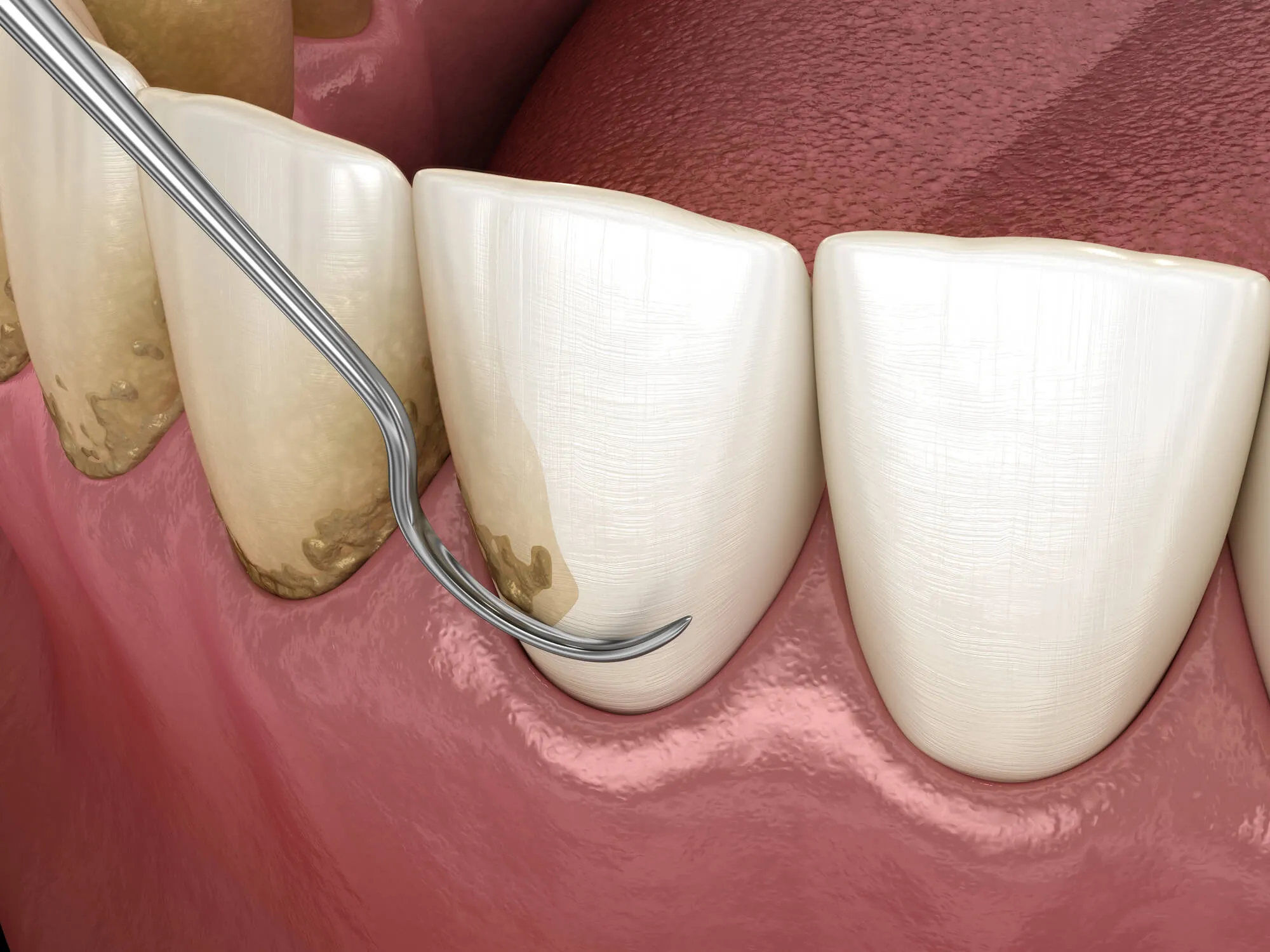
h theIt is easy to overlook plaque when it is not immediately visible or causing discomfort. A thin film on the teeth may not seem urgent at first, especially when brushing and flossing are already part of a daily routine. Over time, though, plaque can harden into tartar and begin affecting the teeth and gums in ways that are harder to reverse at home. Patients considering teeth cleaning in Miami often want to know how buildup develops and why routine cleanings remain important even when the mouth feels healthy.
What Is the Difference Between Plaque and Tartar?
Even though they are not the same thing, plaque and tartar are closely connected.
Plaque Forms Daily
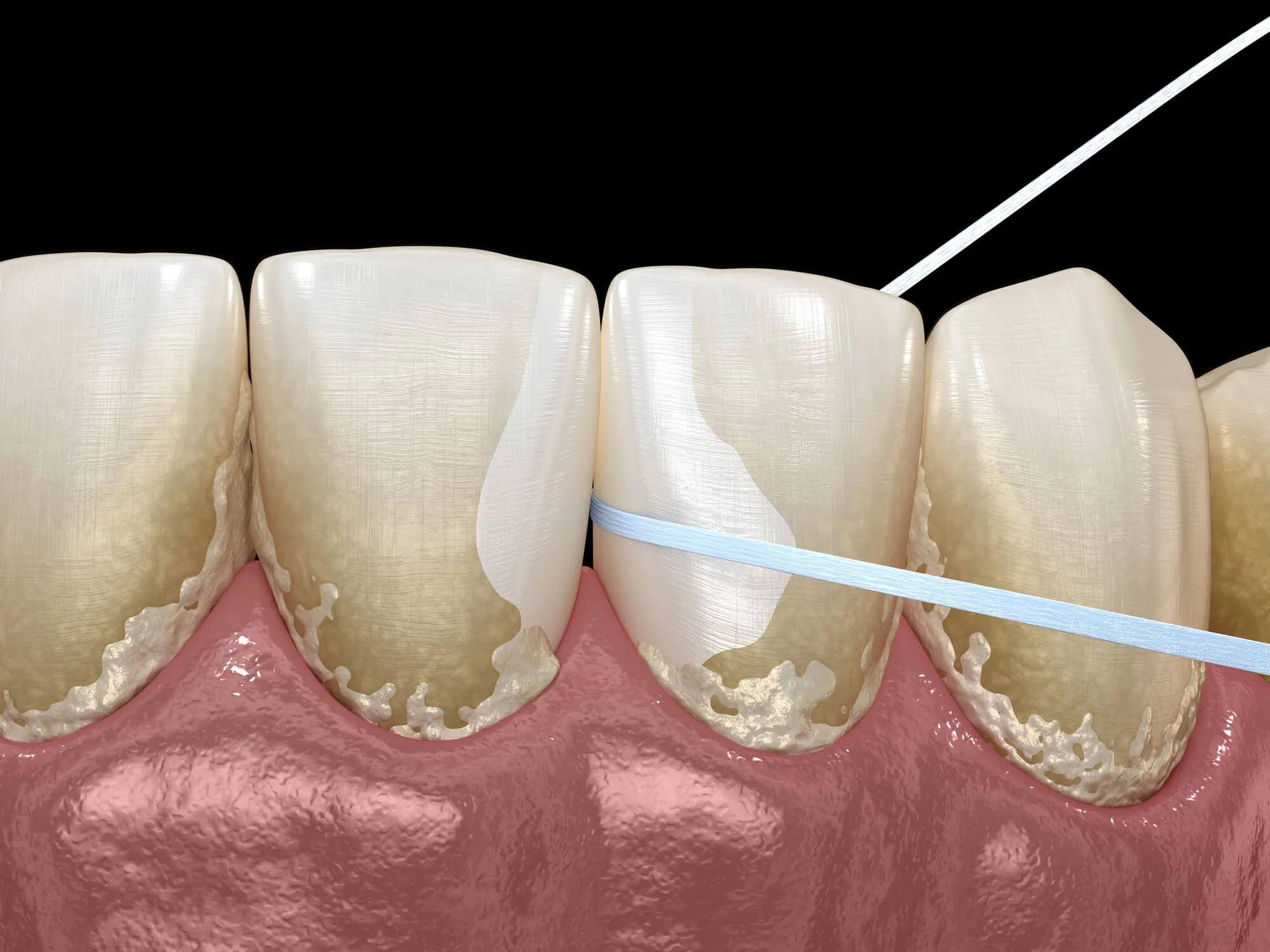
Plaque is a sticky film made up of bacteria, food particles, and saliva. It forms continuously throughout the day, even after brushing.
Plaque commonly develops:
- Along the gumline
- Between the teeth
- Around dental restorations
- In hard-to-reach areas of the mouth
Because plaque is soft, it can often be removed through brushing and flossing when oral hygiene remains consistent.
Tartar Develops From Hardened Plaque
When plaque stays on the teeth for too long, minerals in saliva can cause it to harden into tartar.
Unlike plaque, tartar:
- Cannot usually be removed at home
- Bonds firmly to the teeth
- Creates rough surfaces where bacteria collect more easily
This buildup often appears near the gums and may become more noticeable over time.
How Plaque and Tartar Affect the Mouth
Plaque and tartar do not always cause immediate symptoms. Their effects often develop gradually.
Gum Irritation Can Develop Slowly
One of the earliest changes linked to buildup is irritation along the gumline.
Patients may notice:
- Redness
- Tenderness while brushing
- Mild swelling
These symptoms may appear mild at first, which makes them easier to ignore.
Bacteria Can Continue Accumulating
Rough tartar surfaces make it easier for additional plaque and bacteria to collect.
This may increase:
- Gum inflammation
- Persistent bad breath
- Difficulty cleaning certain areas effectively
Over time, the cycle of buildup can continue unless the tartar is professionally removed.
Teeth May Feel Different
Plaque and tartar can also affect how the teeth feel day to day.
Some patients notice:
- A rough texture near the gums
- Increased sensitivity
- A coated feeling on the teeth
These changes may become more noticeable after eating or drinking.
Why Brushing Alone May Not Be Enough
Brushing and flossing remain important, but they may not remove everything once tartar develops.
Certain Areas Are Harder to Reach
Even patients with strong oral hygiene habits can miss small areas of the mouth.
Common difficult areas include:
- Behind the back teeth
- Tight spaces between teeth
- Areas near the gumline
Plaque that stays in these locations longer has more time to harden.
Tartar Cannot Usually Be Removed at Home
Once plaque becomes tartar, brushing alone is typically not enough to remove it.
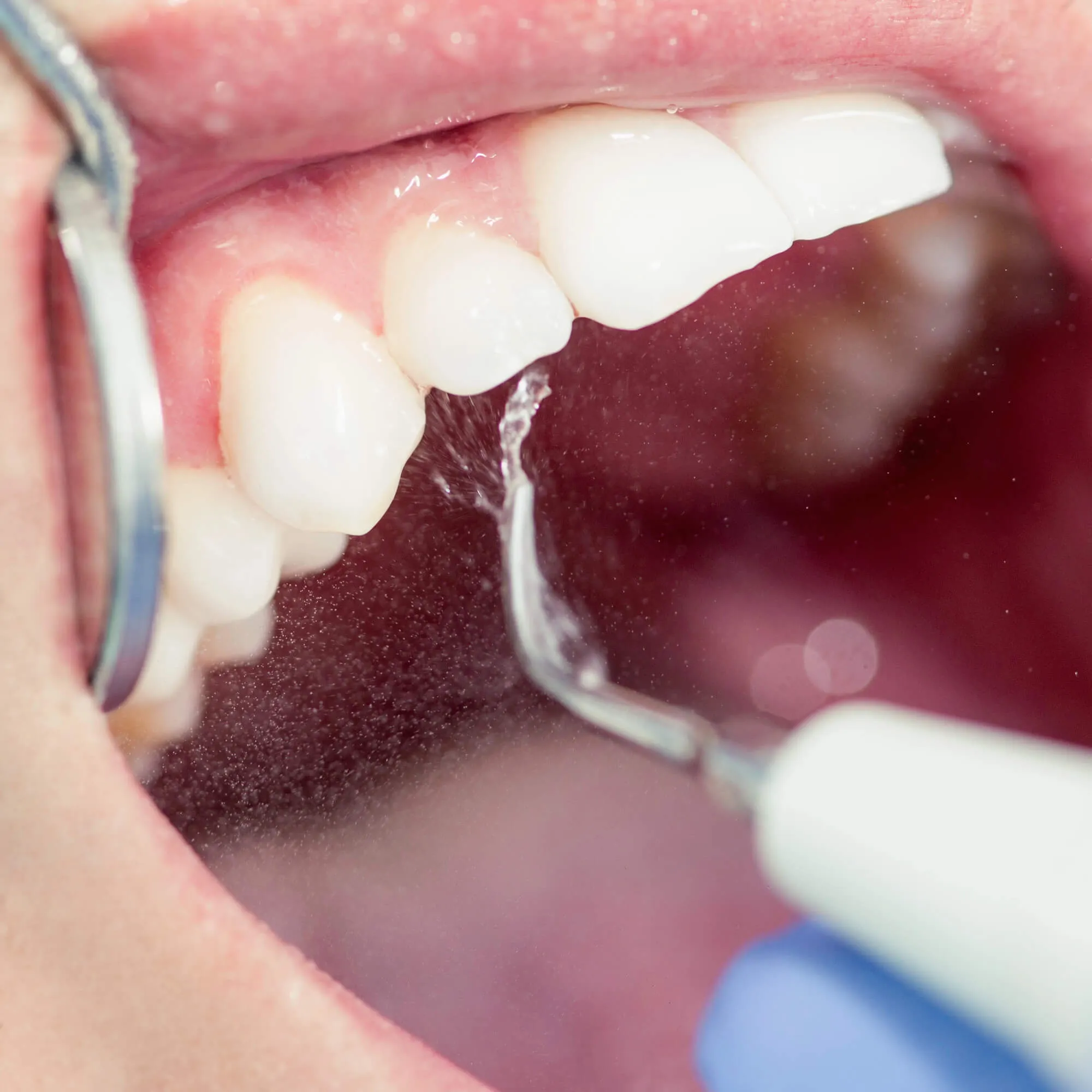
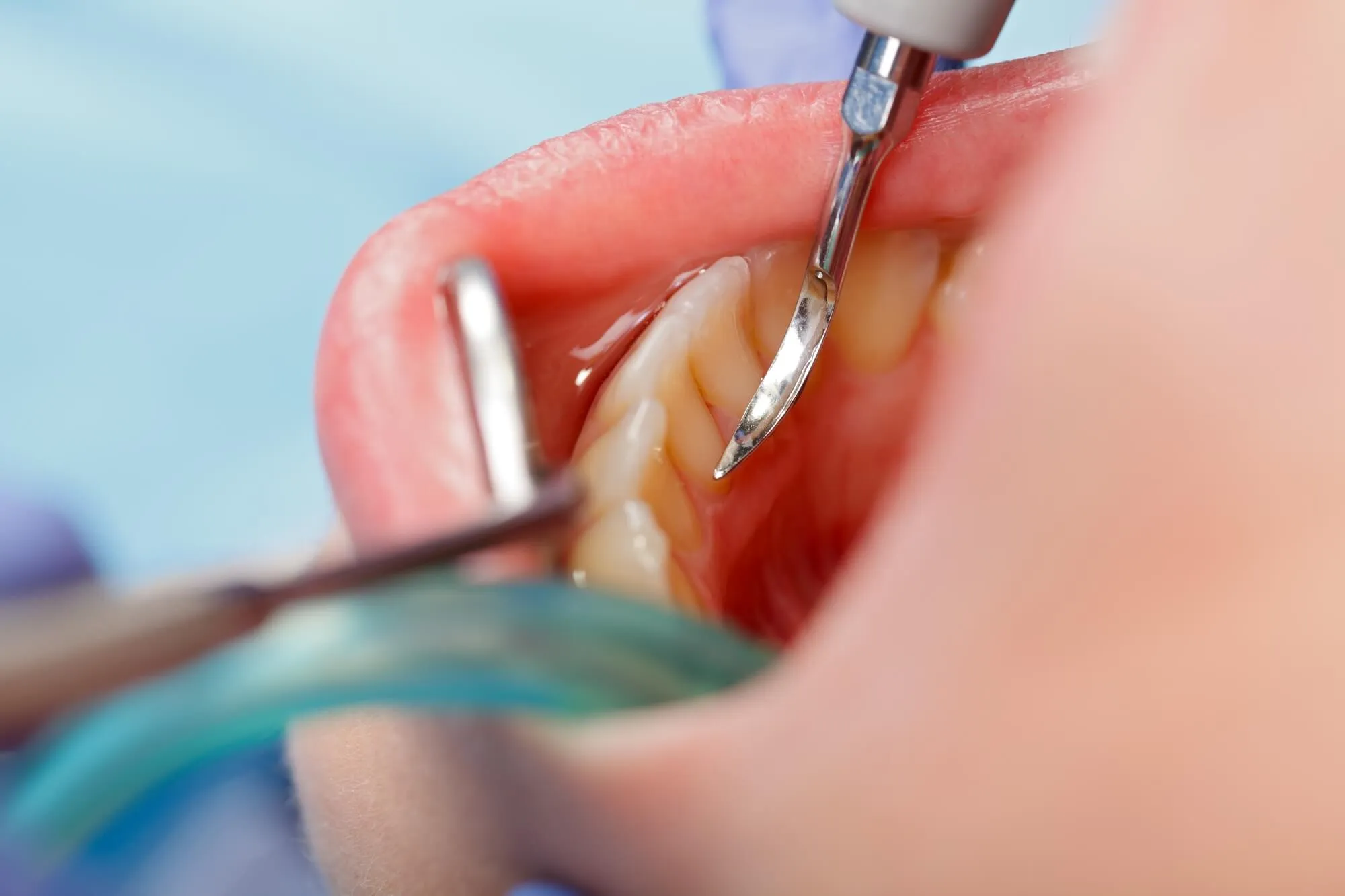
Professional cleanings use specialized tools designed to remove hardened buildup more effectively and safely.
Daily Habits Can Influence Buildup
Certain habits may contribute to faster plaque accumulation.
These may include:
- Frequent snacking
- Dry mouth
- Tobacco use
- Inconsistent flossing
Because buildup develops gradually, changes are not always immediately noticeable.
What Professional Teeth Cleanings Help Address
Routine dental cleanings focus on reducing buildup and evaluating oral health over time.
Removal of Plaque and Tartar
One of the main goals of professional cleanings is removing buildup from areas that are difficult to clean thoroughly at home.
This helps reduce:
- Surface buildup
- Gum irritation
- Areas where bacteria collect repeatedly
Teeth may also feel smoother and cleaner afterward.
Monitoring Changes in Oral Health
Routine visits also allow dental professionals to monitor changes over time.
This may include evaluating:
- Gum condition
- Areas of buildup
- Signs of wear or irritation
- Changes between appointments
Tracking these patterns helps support long-term oral health maintenance.
Supporting Preventive Care
Professional cleanings are part of preventive dental care. Addressing buildup early may help reduce the likelihood of more advanced concerns developing later.
Why Buildup Is Often Easy to Ignore
Plaque and tartar usually develop gradually rather than suddenly.
Symptoms May Feel Minor
Early signs are often subtle. Mild gum bleeding or occasional sensitivity may not seem urgent at first.
Because symptoms can feel manageable, patients may delay scheduling routine care.
Changes Can Happen Slowly
Buildup often accumulates over months or years. Gradual changes can be harder to notice day to day.
Some patients only realize the extent of buildup after a professional cleaning removes it.
When It May Be Time to Schedule a Cleaning
A dental cleaning may be helpful if you notice:
- Bleeding while brushing or flossing
- A rough feeling near the gums
- Persistent bad breath
- Increased tooth sensitivity
- Visible buildup near the gumline
Even without noticeable symptoms, routine cleanings remain an important part of maintaining oral health.
Maintain Long-Term Oral Health With Teeth Cleaning in Miami
Plaque and tartar can affect the teeth and gums gradually over time, often before symptoms become obvious. Routine cleanings help remove buildup, monitor oral health changes, and support long-term comfort and function.
At Friedman Dental Group, patient comfort, personalized care, and long-term oral health remain central to every visit. The team provides preventive dental care in a welcoming environment designed to help patients feel informed and comfortable throughout treatment. If you are considering teeth cleaning in Miami, scheduling a visit allows our dental team to evaluate your oral health, remove buildup safely, and help you maintain healthy teeth and gums over time.