
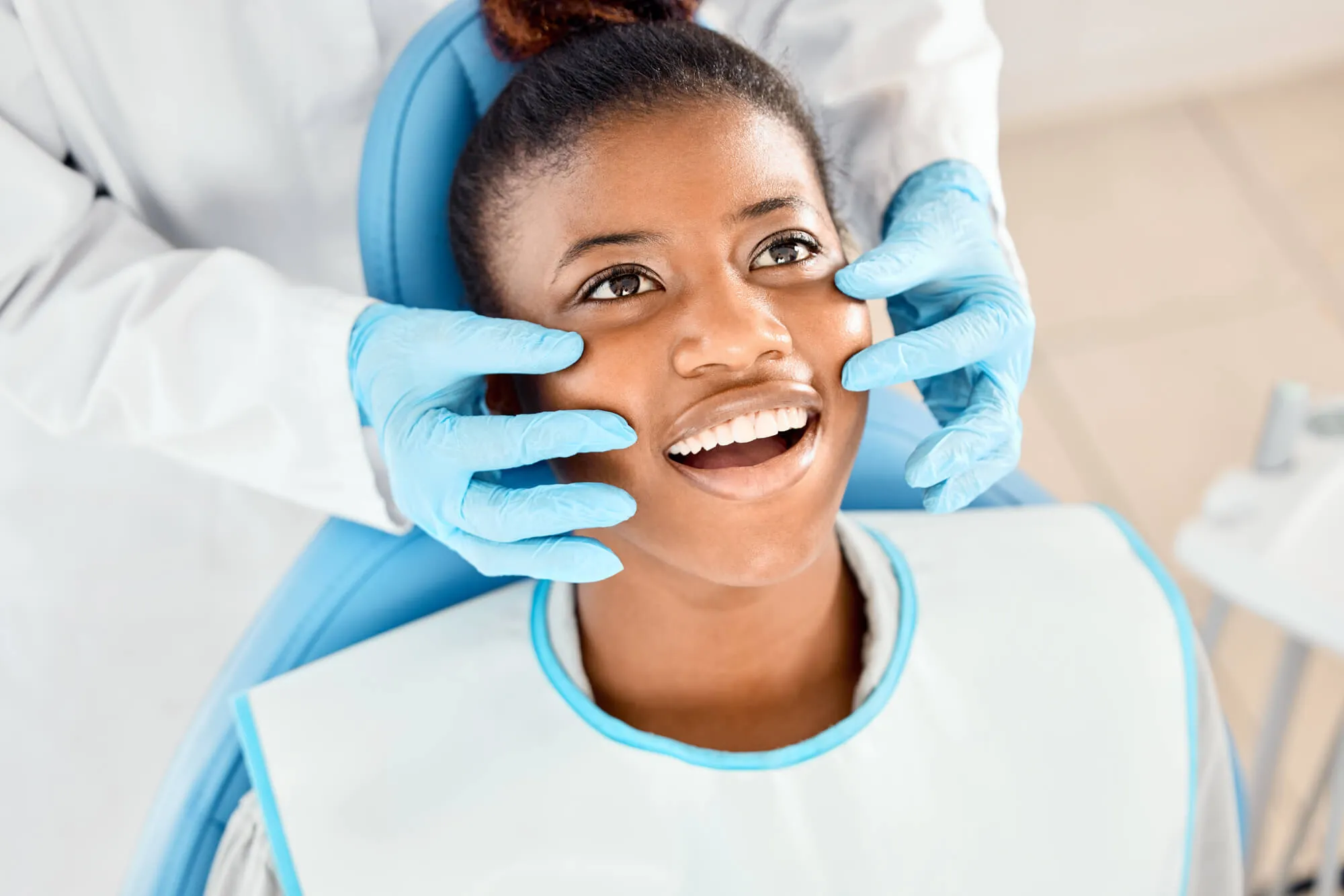
Most oral health changes do not begin with severe pain or obvious symptoms. Instead, they often start with small differences that are easy to dismiss—a little bleeding while brushing, occasional sensitivity, or a tooth that feels slightly different when you chew. Because these changes tend to develop gradually, they may not seem important at first. Yet the mouth often provides early clues that something has changed. For patients visiting a Coral Springs dentist accepting Humana, knowing which signs warrant attention can help support long-term oral health.
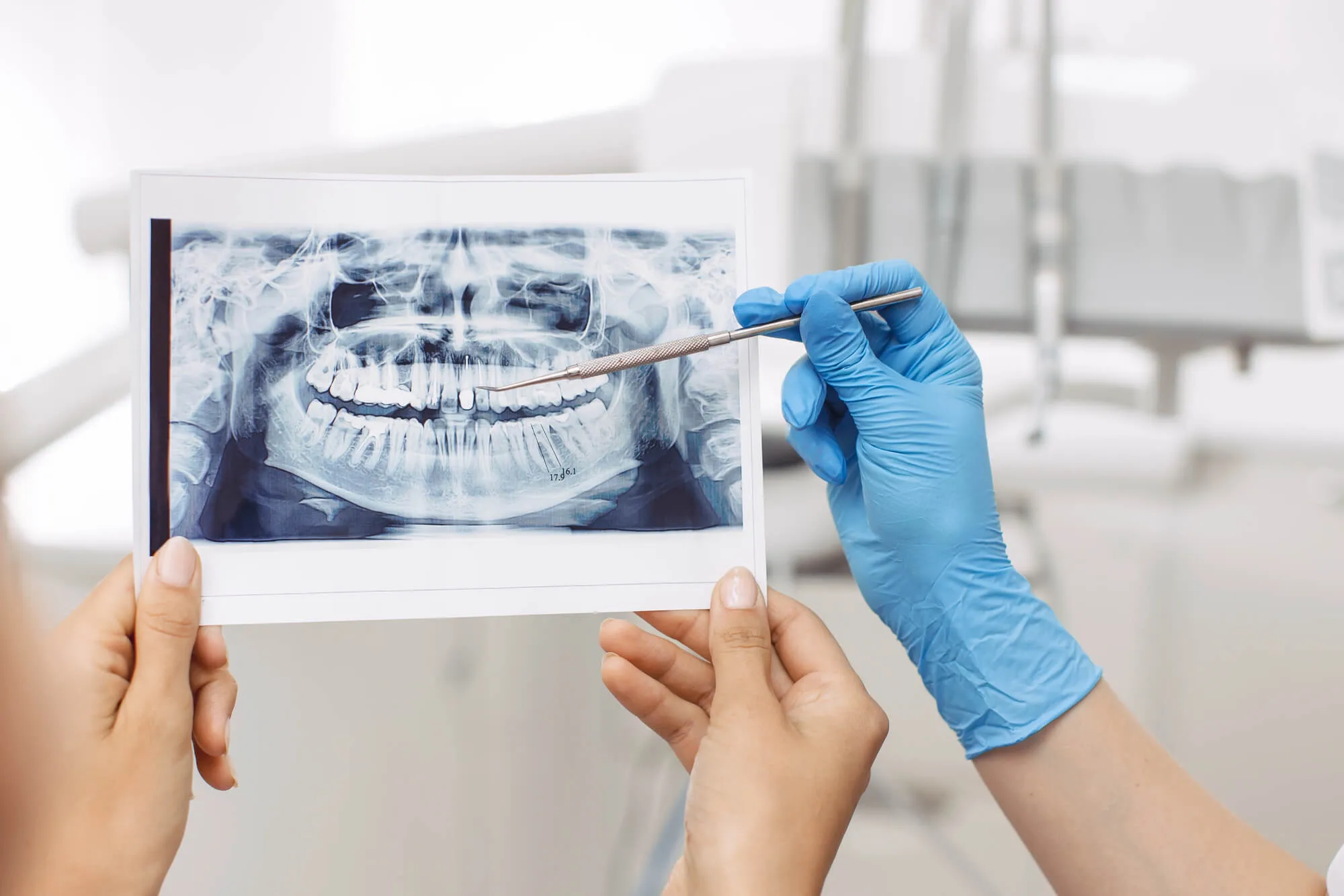
Why Small Changes Matter
Not every symptom indicates a serious problem. Still, paying attention to changes in the teeth, gums, and surrounding tissues can provide valuable insight into oral health.
Symptoms Often Start Gradually
Many dental concerns begin with subtle signs rather than severe discomfort.
These signs may include:
- Mild sensitivity
- Occasional bleeding
- Changes in chewing comfort
- Slight gum tenderness
Because they may not interfere with daily activities right away, they are easy to postpone addressing.
Early Changes Can Be Easier to Evaluate
Monitoring symptoms as they first appear can help identify potential contributors to the issue. Small changes often provide useful information before they become more noticeable.
For example, sensitivity that occurs only occasionally may seem minor at first. Over time, it may become more frequent or begin affecting everyday activities. Paying attention to these patterns can help patients recognize when it may be helpful to schedule a dental evaluation.
Changes in the Gums Worth Noticing
The gums help support and protect the teeth. Changes in gum health can sometimes be among the earliest signs that something is affecting the mouth.
Bleeding During Brushing or Flossing
Occasional bleeding may not seem concerning, especially if brushing feels aggressive. However, repeated bleeding deserves attention.
Patients may notice:
- Blood while flossing
- Tender areas along the gumline
While occasional irritation can occur, persistent bleeding may indicate that the gums are reacting to plaque buildup or inflammation. Because gum changes often develop gradually, patients sometimes become accustomed to them without realizing they are not a normal part of oral health.
Redness or Swelling
Healthy gums generally appear firm and consistent in color.
Changes such as swelling, redness, and puffiness may signal that the gums are responding to irritation or buildup.
These changes are not always painful, which is one reason they can be easy to overlook. Even mild inflammation may provide valuable information about what is happening below the gumline.
Gum Recession
Some patients notice that their teeth appear longer than they once did.
This may occur when the gumline gradually shifts, exposing more of the tooth surface. Gum recession can sometimes contribute to sensitivity and changes in appearance.
Patients may also notice:
- Increased sensitivity to cold temperatures
- Small notches near the gumline
- Changes in the appearance of their smile
Because recession often develops slowly, comparing older photographs can sometimes make these changes easier to recognize.
Changes in the Teeth Worth Monitoring
Teeth often provide clues about oral health changes as well.
Increased Sensitivity
Sensitivity is one of the most common symptoms patients report.
It may occur while:
- Drinking cold beverages
- Eating sweets
- Consuming hot foods
Sensitivity that becomes more frequent or lasts longer than usual may be worth discussing during a dental visit.
Some patients notice that they begin avoiding certain foods or drinks without realizing it. These small adjustments may indicate that sensitivity is becoming more influential in daily life.
Visible Wear or Chipping
Teeth experience pressure every day through chewing and other routine activities.
Patients may notice:
- Small chips
- Flattened edges
- Rough surfaces
- Areas that appear worn
These changes may occur gradually from normal wear, grinding, or clenching habits. While minor wear is common, noticeable changes in tooth structure may deserve closer evaluation.
Dark Spots or Discoloration
Changes in tooth color are not always cosmetic concerns alone.
A new dark spot, area of discoloration, or change in appearance may deserve professional evaluation to determine the cause.
Some discoloration develops naturally over time, while other changes may indicate structural changes within the tooth that should be monitored.
Changes in Comfort and Function
The way the mouth feels during everyday activities can provide useful information about oral health.
Discomfort While Chewing
Chewing should generally feel comfortable and balanced.
Patients may notice:
- Pressure on one side
- Pain while biting
- A feeling that one tooth reacts differently
Even mild discomfort may indicate that the tooth or bite should be evaluated more closely.
Jaw Tension or Fatigue
Jaw discomfort is not always connected directly to the teeth, though it may still affect oral health.
Symptoms may include:
- Morning jaw tightness
- Fatigue while chewing
- Tenderness near the jaw joints
These changes may sometimes be associated with clenching or grinding habits that place additional pressure on the teeth and jaw.
Changes in Bite Alignment
A bite that suddenly feels different may indicate shifting teeth, wear, or other changes occurring within the mouth.
Patients sometimes describe:
- Uneven pressure
- Difficulty finding a comfortable bite position
Changes in bite alignment may affect both comfort and function over time.
When It May Be Time to Schedule a Visit
A dental evaluation may be helpful if you notice:
- Bleeding gums
- Increased sensitivity
- Persistent bad breath
- Changes in bite pressure
- Discomfort while chewing
Even subtle symptoms can provide useful information about oral health changes that may be developing.
Stay Proactive With a Coral Springs Dentist Accepting Humana
The mouth often provides small clues before a concern becomes more noticeable. Paying attention to changes in the gums, teeth, bite, or overall comfort can make it easier to address issues earlier and support long-term oral health.
At Friedman Dental Group, patient comfort, education, and personalized care guide every visit. If you are looking for a Coral Springs dentist accepting Humana, schedule a visit to discuss your oral health concerns and receive care tailored to your needs.