
According to the American College of Prosthodontists, approximately 120 million Americans are missing at least one tooth. Replacing missing teeth often involves choosing between removable appliances and dental implants. Removable options have been used for decades because they are accessible and can restore appearance and function. Yet patients are more interested in a replacement that feels closer to a natural tooth often ask about dental implants in Miami. Understanding how implants differ from removable appliances can help explain why the experience of wearing them is often very different.
Why Removable Appliances Feel Different
Removable appliances replace missing teeth above the gumline and can help restore appearance and function. Because they are designed to be removed for cleaning, they interact with the mouth differently than natural teeth.
They Rest on the Gums
Traditional dentures and some partial dentures sit on top of the gums rather than being anchored directly into the jawbone.
This means patients may notice:
- Movement while eating
- Shifting during speech
- Pressure on certain areas of the gums
- The need for occasional adjustments
Modern dentures have improved considerably over the years. They remain an effective option for many patients, though their design differs from the way natural teeth function.
They Depend on Surrounding Structures
Removable appliances rely on the gums, underlying bone, or neighboring teeth for support.
Because of this, stability may vary depending on:
- Bone levels
- Gum contours
- Appliance fit
- Daily wear patterns
As the mouth changes over time, the appliance may feel different than it did initially.
What Makes Dental Implants Different?
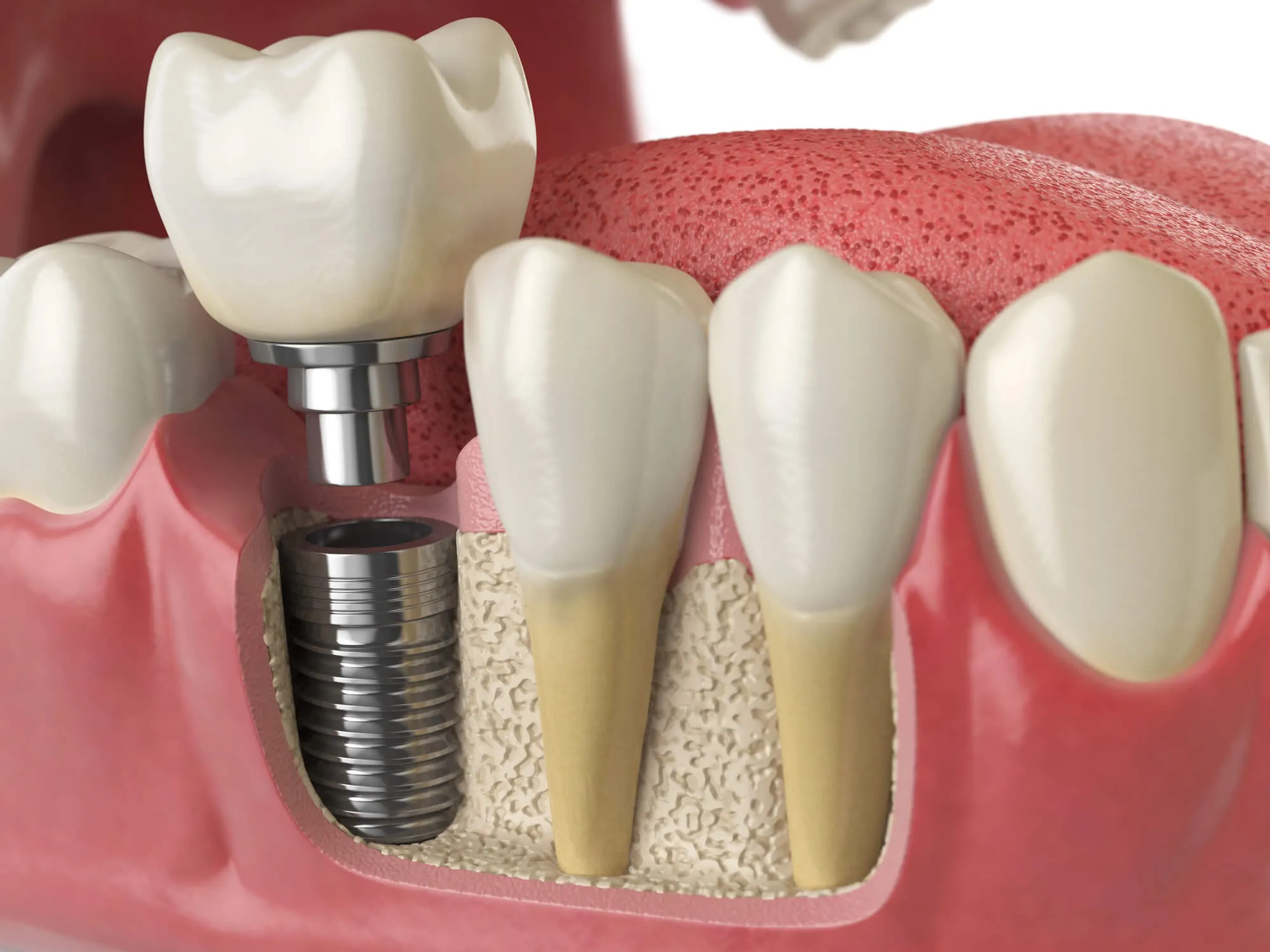
Dental implants are designed to replace both the visible portion of the tooth and the root structure beneath the gums.
They Are Anchored in the Jawbone
Unlike removable appliances, implants are placed directly into the jawbone. This creates a foundation that supports the replacement tooth from beneath the surface.
Patients often appreciate:
- Increased stability
- Reduced movement
- A secure feeling while eating
- Greater confidence during conversations
Because the implant remains fixed in place, it functions differently than an appliance that rests on the gums.
They Mimic Natural Tooth Support
Natural teeth are anchored within the jawbone through their roots. Dental implants are designed with a similar concept in mind.
While implants do not replicate natural teeth in every way, they are often chosen because they provide support beneath the gumline rather than simply replacing what is visible above it.
This difference is one reason patients frequently describe implants as feeling more natural during daily activities.
How Stability Influences Daily Life
One of the biggest differences between implants and removable appliances is how they feel during everyday use.
Eating Often Feels More Predictable
Missing teeth can affect chewing patterns. Some people begin favoring one side of the mouth or avoiding certain foods altogether.
Because implants are secured in the jawbone, they may help support:
- More balanced chewing
- Improved bite function
- Greater confidence while eating
- Less concern about movement during meals
Many patients appreciate being able to focus on enjoying their food rather than thinking about their tooth replacement.
Speaking Can Feel More Natural
Teeth help direct airflow and tongue placement during speech. A restoration that shifts or moves can sometimes affect how certain sounds feel.
A stable replacement may support comfort during:
- Everyday conversations
- Professional meetings
- Social gatherings
- Public speaking situations
Patients often report feeling less aware of the restoration throughout the day.
What Happens Beneath the Surface Matters
One of the most important differences between implants and removable appliances is not visible at all.
Tooth Roots Serve an Important Purpose
Natural tooth roots help stimulate the jawbone during chewing. When a tooth is lost, stimulation decreases.
Over time, this may contribute to changes in:
- Bone volume
- Jaw shape
- Facial support structures
These changes happen gradually and may not be immediately noticeable.
Dental Implants Help Support the Jawbone
Because implants are placed within the jawbone, they help provide stimulation during normal chewing activities.
This is one reason implants are often considered a long-term tooth replacement option. Their ability to support structures beneath the gums sets them apart from removable appliances that rest on top of the gums.
Why Long-Term Comfort Matters
Comfort is about more than appearance. It affects how confidently and comfortably patients move through daily life.
Reduced Movement
One reason patients often prefer implants is that they remain fixed in place.
This may reduce concerns related to:
- Slipping
- Shifting
- Pressure points
- Appliance movement during meals or conversations
A stable restoration often contributes to greater day-to-day confidence.
A Different Maintenance Experience
Removable appliances are taken out for cleaning and maintenance. Dental implants remain in place and are cared for similarly to natural teeth through brushing, flossing, and routine dental visits.
For some patients, this creates a more familiar experience that fits comfortably into their daily routine.
Is One Option Better Than the Other?
The right tooth replacement option depends on the patient’s goals, oral health, lifestyle, and preferences.
Factors that may influence treatment recommendations include:
- The number of missing teeth
- Overall oral health
- Budget considerations
- Long-term expectations
Both removable appliances and dental implants can provide valuable benefits. A comprehensive evaluation helps determine which option may be the most appropriate fit.
Learn More About Dental Implants in Miami
Dental implants and removable appliances both replace missing teeth, though they function differently. Stability, jawbone support, and everyday comfort are some of the reasons patients often describe implants as feeling closer to natural teeth. Understanding these differences can help you determine which option aligns with your needs and long-term goals.
At Friedman Dental Group, patient comfort, education, and personalized care guide every treatment recommendation. If you are considering dental implants, schedule a consultation to discuss your options, evaluate your oral health, and receive recommendations tailored to your goals.