

Receiving a dental implant is often viewed as the final step in replacing a missing tooth. In reality, it is only one part of a much larger picture. Dental implants are designed to function for many years, yet their long-term performance is influenced by factors that extend well beyond the procedure itself. The condition of the gums, daily oral hygiene habits, healing after treatment, and ongoing maintenance all contribute to implant health. Patients considering dental implants in Tamarac are often surprised to learn how much happens after treatment that can influence long-term outcomes.
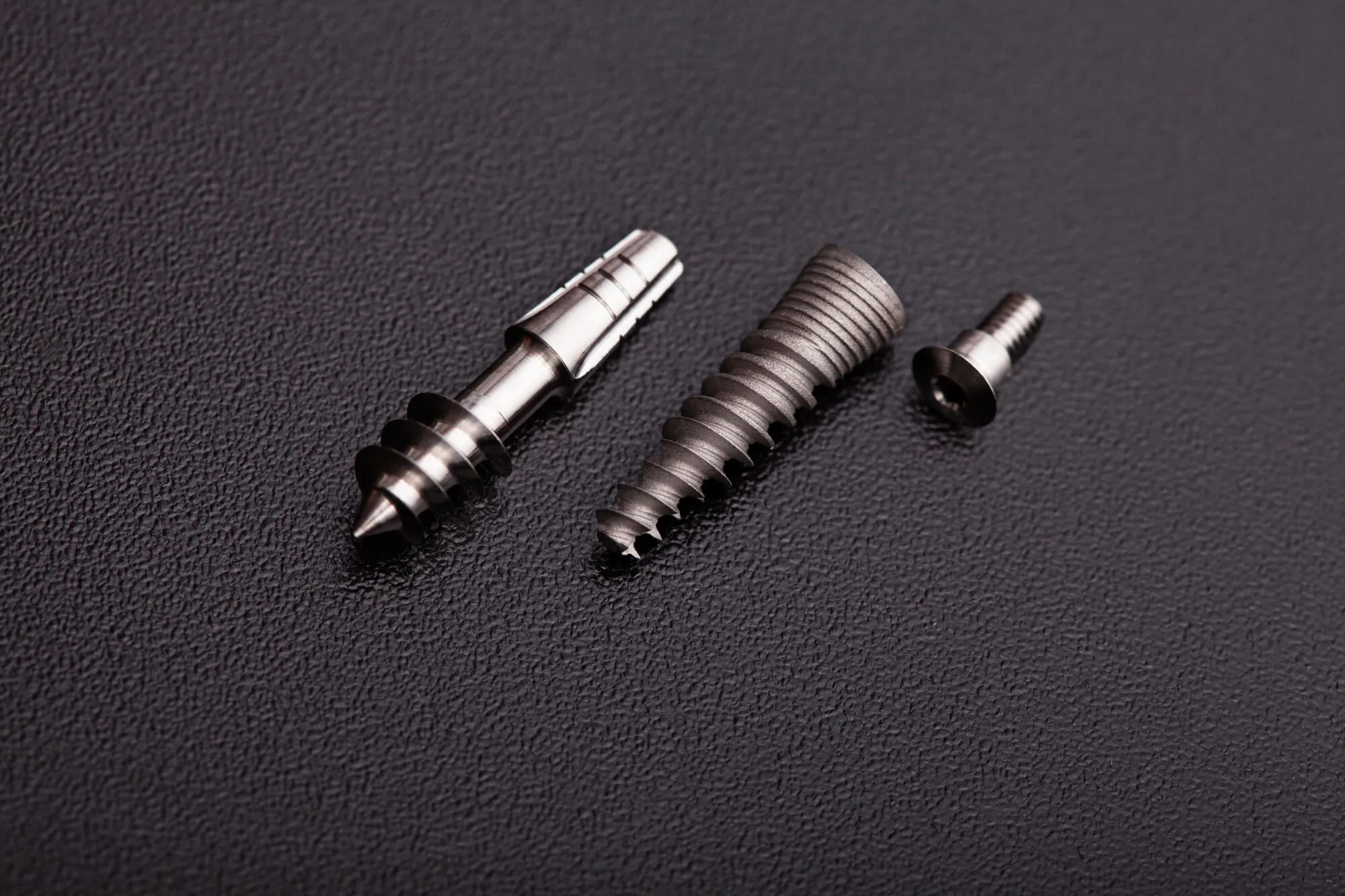
Long-Term Implant Success Begins Before Placement
The foundation for a healthy implant is established long before the procedure takes place.
A Healthy Mouth Creates Better Conditions
Dental implants rely on healthy tissues for support. Before treatment begins, the dental team typically evaluates:
- Gum health
- Bone availability
- Existing restorations
- Areas of decay or inflammation
- Overall oral health
Addressing concerns before implant placement can help create a healthier environment for treatment and recovery.
Treatment Planning Matters
Dental implant treatment is not a one-size-fits-all procedure.
Several factors may influence planning, including:
- The location of the missing tooth
- Bite alignment
- Number of missing teeth
- Long-term oral health goals
Careful planning helps determine how the implant will function within the rest of the mouth, not just where it will be placed.
Healing Is One of the Most Important Stages
The implant procedure itself may receive the most attention, though healing plays an equally important role.
Osseointegration Takes Time
After placement, the implant gradually bonds with the surrounding jawbone through a process called osseointegration.
This process helps create the stability that implants are known for.
Because healing occurs gradually, patients should expect the process to take time. The exact timeline varies depending on individual circumstances and treatment needs.
Following Instructions Supports Recovery
Patients often receive guidance regarding:
- Oral hygiene
- Diet modifications
- Follow-up appointments
- Activity recommendations
These instructions are designed to support healing and help protect the implant during the recovery period.
Ignoring post-treatment recommendations may place unnecessary stress on the healing area.
Daily Oral Hygiene Continues to Matter
One of the most common misconceptions about dental implants is that they require less care than natural teeth.
Implants Still Depend on Healthy Surrounding Tissues
While dental implants cannot develop cavities, the gums and supporting tissues around them still require attention.
Daily oral hygiene may include:
- Brushing twice daily
- Flossing regularly
- Cleaning around the implant
- Attending professional cleanings
Consistent care helps maintain the health of the tissues that support the implant.
Small Habits Add Up Over Time
Long-term implant success is often influenced by everyday routines.
Skipping oral hygiene occasionally may not seem important in the moment, though habits repeated over months and years can affect overall oral health.
Patients who establish consistent routines are often better positioned to maintain healthy tissues around their implants.
Gum Health Remains Important for Years
Many patients focus on the implant itself and forget about the tissues surrounding it.
Healthy Gums Support Implant Stability
The gums act as a protective barrier around the implant.
Changes such as:
- Bleeding
- Redness
- Swelling
- Tenderness
should not be ignored.
Monitoring gum health remains an important part of maintaining implants long after treatment is completed.
Regular Evaluations Help Identify Changes Early
Routine dental visits allow the dental team to assess:
- Implant stability
- Gum health
- Bite function
- Oral hygiene effectiveness
These evaluations provide an opportunity to identify concerns before they become more difficult to manage.
Bite Pressure Can Affect Long-Term Outcomes
The way teeth come together can influence both natural teeth and restorations.
Teeth Grinding and Clenching
Some patients grind or clench their teeth without realizing it.
Over time, these habits may place additional pressure on:
- Teeth
- Dental restorations
- Supporting structures
Patients who experience grinding or clenching may benefit from discussing protective options with their dentist.
Changes in Bite Alignment
The bite can change gradually over time.
Uneven pressure may affect:
- Chewing comfort
- Tooth wear
- Restorative work
Monitoring bite function helps support both implant health and overall oral health.
Lifestyle Choices Can Influence Implant Health
Long-term success often depends on choices made outside the dental office.
Tobacco Use
Tobacco use can affect oral tissues and may influence both healing and maintenance.
Open communication with the dental team helps ensure recommendations are tailored appropriately.
Overall Health Matters
Oral health and overall health are closely connected.
Medical conditions, medications, and lifestyle factors may all influence treatment recommendations and ongoing care.
Keeping the dental team informed about health changes supports more personalized treatment planning.
Success Is a Partnership
Dental implants are not a passive treatment that requires no further attention after placement.
Professional Care Supports Long-Term Results
Routine dental visits provide opportunities to:
- Evaluate gum condition
- Assess bite function
- Review oral hygiene habits
Preventive care remains an important part of maintaining implants over time.
Patients Play an Active Role
Long-term outcomes are often influenced by the choices patients make every day.
Brushing, flossing, attending appointments, and following professional recommendations all contribute to maintaining implant health.
Treatment may begin in the dental office, but long-term success continues at home.
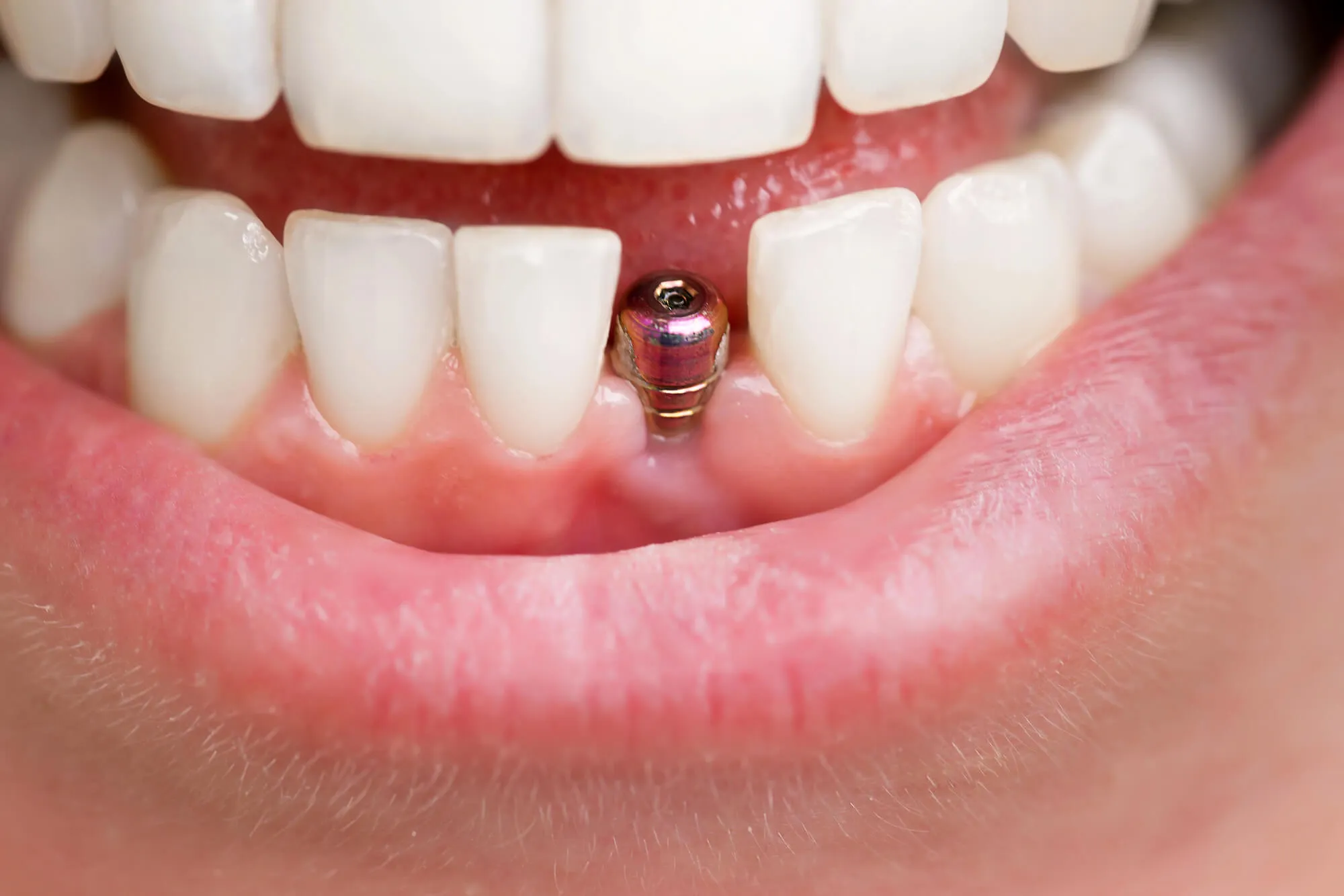
Support Long-Term Success With Dental Implants Tamarac
Treatment is only one part of what helps dental implants remain healthy and functional over time. Healing, oral hygiene, gum health, lifestyle habits, and routine professional care all contribute to long-term outcomes. Understanding these factors can help patients take an active role in maintaining their oral health after treatment.
At Friedman Dental Group, patient education, preventive care, and personalized treatment planning guide every recommendation. We work closely with our patients before, during, and after treatment to support healthy, lasting results. If you are considering dental implants Tamarac, schedule a consultation to learn more about treatment, maintenance, and the factors that help support long-term implant success.