
The effects of tooth loss are not always immediate. In some cases, changes in chewing comfort, bite balance, and neighboring teeth develop gradually over time. Patients often consider several replacement options, including bridges, dentures, and dental implants in Tamarac, Humana. As more people look for a solution that remains fixed in place and functions more like a natural tooth, dental implants continue to gain popularity. Before moving forward with treatment, though, there are several important factors worth considering.
Patients often have questions about candidacy, treatment timelines, maintenance, and long-term expectations. Understanding these factors can help make conversations with a dental professional more productive and provide a clearer picture of what implant treatment involves.
Important Factors to Consider Before Choosing Dental Implants
Dental implants are designed to replace both the visible tooth and the root beneath the gums. While they offer advantages that appeal to many patients, successful treatment depends on careful planning and a thorough evaluation.
Understanding How Dental Implants Work
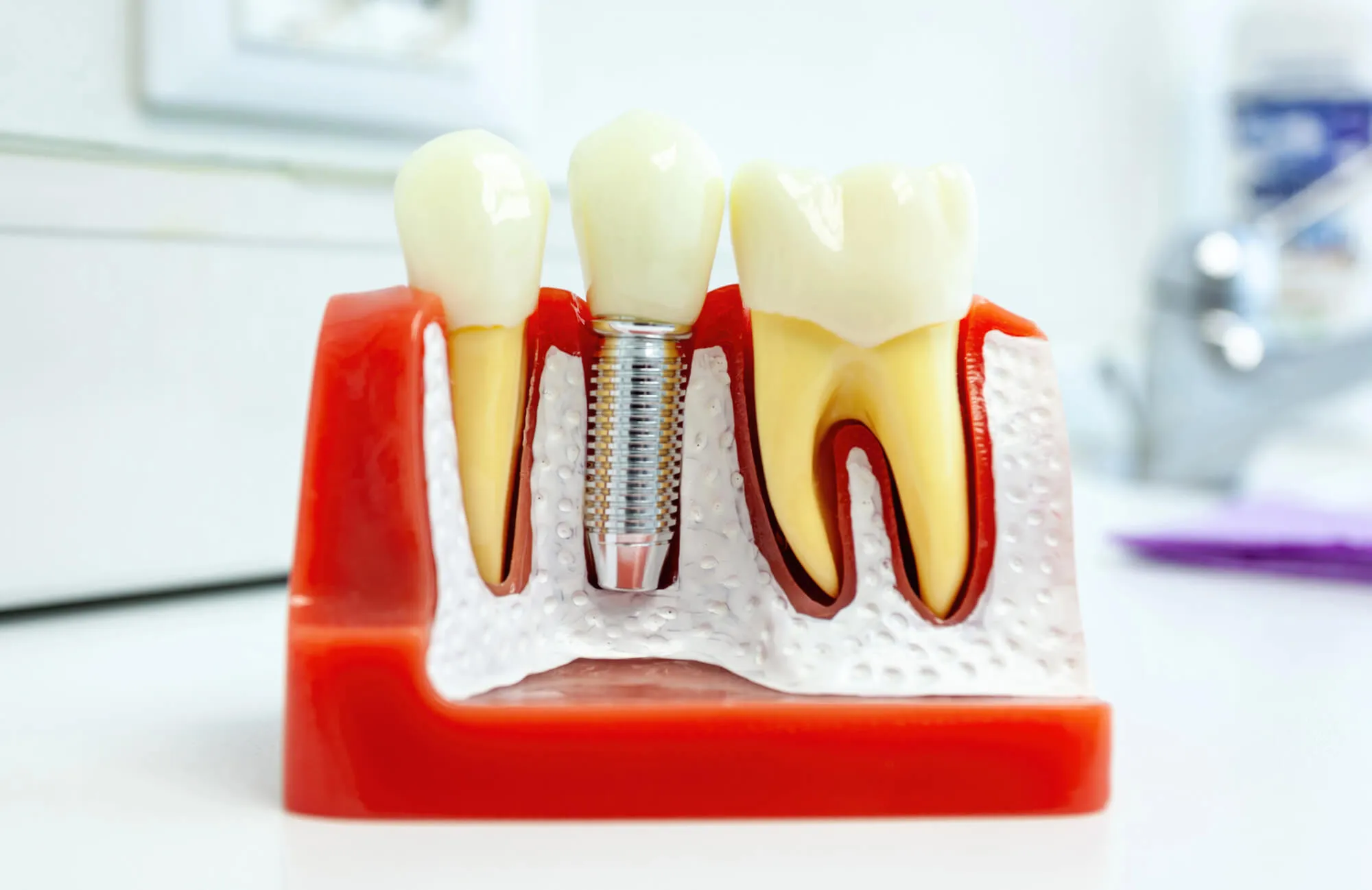
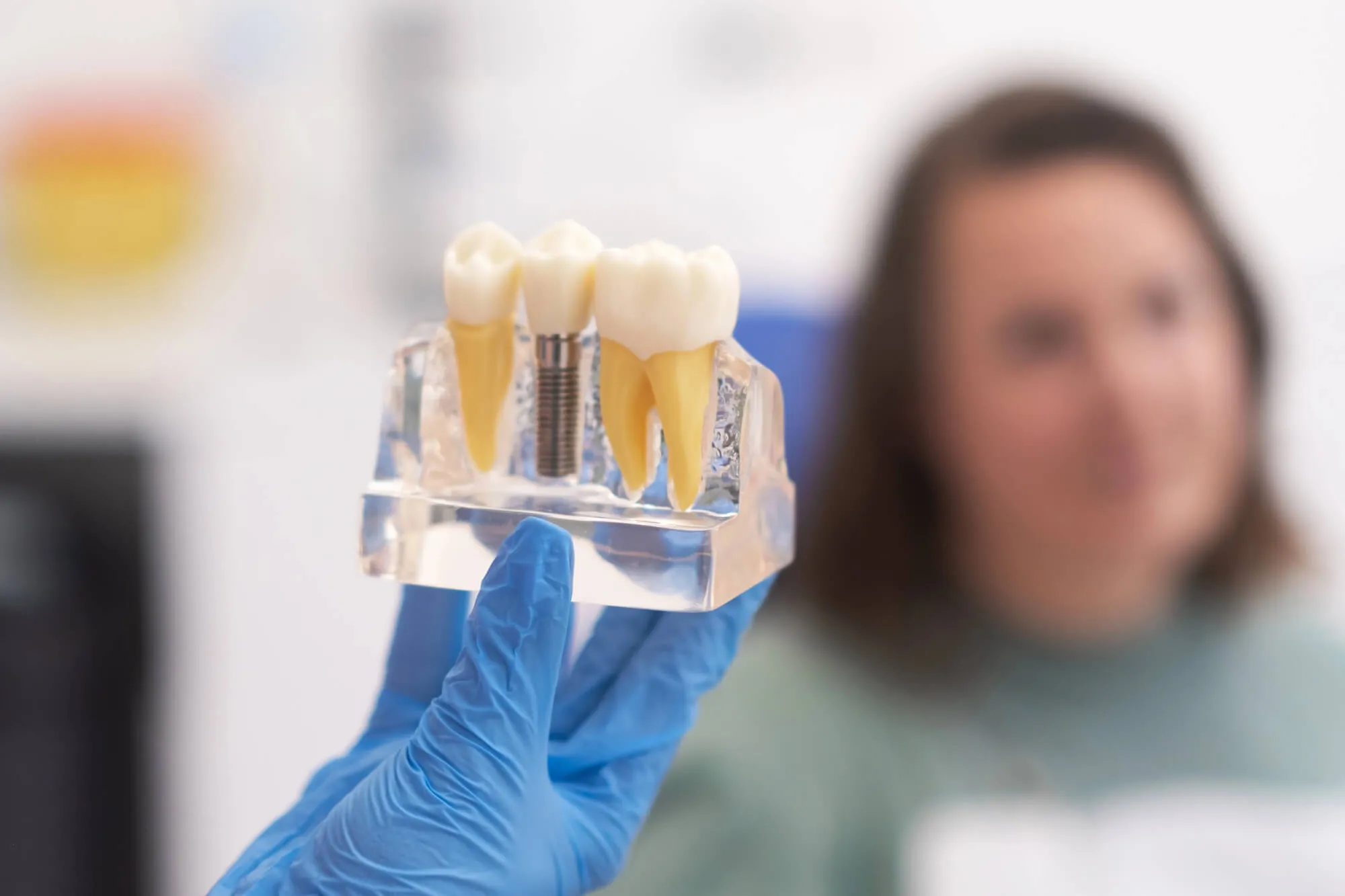
Unlike bridges or removable dentures, dental implants are placed within the jawbone.
A dental implant typically consists of:
- An implant post
- An abutment
- A custom restoration, such as a crown, bridge, or implant-supported denture
Because the implant functions as an artificial tooth root, it supports the restoration differently than options that sit on the gums or rely on neighboring teeth.
Knowing That Treatment Takes Time
One of the most common misconceptions about dental implants is that treatment happens in a single visit.
In reality, treatment often occurs in stages. Depending on the patient’s needs, the process may include:
- Initial consultation
- Diagnostic imaging
- Implant placement
- Healing time
- Placement of the final restoration
The overall timeline varies from patient to patient, which is why treatment planning is such an important part of the process.
Understanding the Long-Term Commitment
Dental implants are designed to function as a long-term tooth replacement option. However, they still require ongoing care.
Patients should be prepared to maintain:
- Consistent brushing
- Daily flossing
Good oral hygiene remains essential for supporting both implant health and overall oral health.
Why Bone Health Matters
One factor that makes dental implants unique is their relationship with the jawbone.
Adequate Bone Support Is Important
The implant post must be supported by healthy bone.
During an evaluation, the dental team may assess:
- Bone density
- Bone volume
- Overall oral health
- Areas affected by previous tooth loss
These assessments help determine whether implant placement may be appropriate and whether any additional procedures should be discussed.
Tooth Loss Can Lead to Bone Changes
Natural tooth roots help stimulate the jawbone whenever you chew.
After a tooth is lost, stimulation decreases. Over time, changes in bone volume may occur in the area where the tooth once existed.
This is one reason dental professionals often encourage patients to discuss replacement options sooner rather than waiting several years after tooth loss.
Why Your Overall Oral Health Matters
Dental implants are not viewed as a standalone procedure. They are often part of a broader oral health plan.
Healthy Gums Support Implant Success
Healthy gums provide important support for both natural teeth and dental implants.
A dental evaluation may include reviewing:
- Gum health
- Signs of inflammation
- Oral hygiene habits
- Existing dental concerns
Addressing these factors beforehand can help create a healthier foundation for treatment.
Existing Dental Conditions May Need Attention First
In some cases, other oral health concerns may need to be addressed before implant treatment begins.
This may include evaluating:
- Existing restorations
- Areas of decay
- Bite concerns
- Overall dental health
A comprehensive approach helps determine how implants fit into the patient’s long-term treatment goals.
Lifestyle Factors Worth Discussing
Daily habits can influence oral health and may affect treatment recommendations.
Teeth Grinding and Clenching
Grinding and clenching place additional pressure on teeth and restorations.
Patients who experience these habits should discuss them with their dental team, as protective measures may be recommended.
Tobacco Use
Tobacco use can affect oral health in several ways. Because dental implants rely on healthy tissues and proper healing, discussing tobacco use openly during a consultation is important.
Medical History and Medications
A complete health history allows the dental team to evaluate factors that may influence treatment planning.
Sharing information about medications and medical conditions helps ensure recommendations are tailored appropriately.
Questions Worth Asking During a Consultation
Patients often feel more prepared when they arrive with questions.
Consider asking:
- Am I a candidate for dental implants?
- How long might treatment take?
- What maintenance is required?
- What alternatives should I consider?
- How will implants fit into my long-term oral health plan?
These conversations can provide valuable insight into whether implant treatment aligns with your goals and expectations.

Learn More About Dental Implants Tamarac, Humana
Choosing a tooth replacement option involves more than replacing a missing tooth. Bone health, oral health, lifestyle factors, treatment timelines, and long-term maintenance all deserve consideration. Taking time to evaluate these factors can help you feel more prepared when discussing your options with a dental professional.
At Friedman Dental Group, patient comfort, education, and personalized care guide every treatment recommendation. Our team uses advanced technology and comprehensive evaluations to help patients better understand their options and develop treatment plans tailored to their needs. If you are considering dental implants in Tamarac, Humana, schedule a consultation to learn more about your options and receive recommendations that support your long-term oral health goals.