
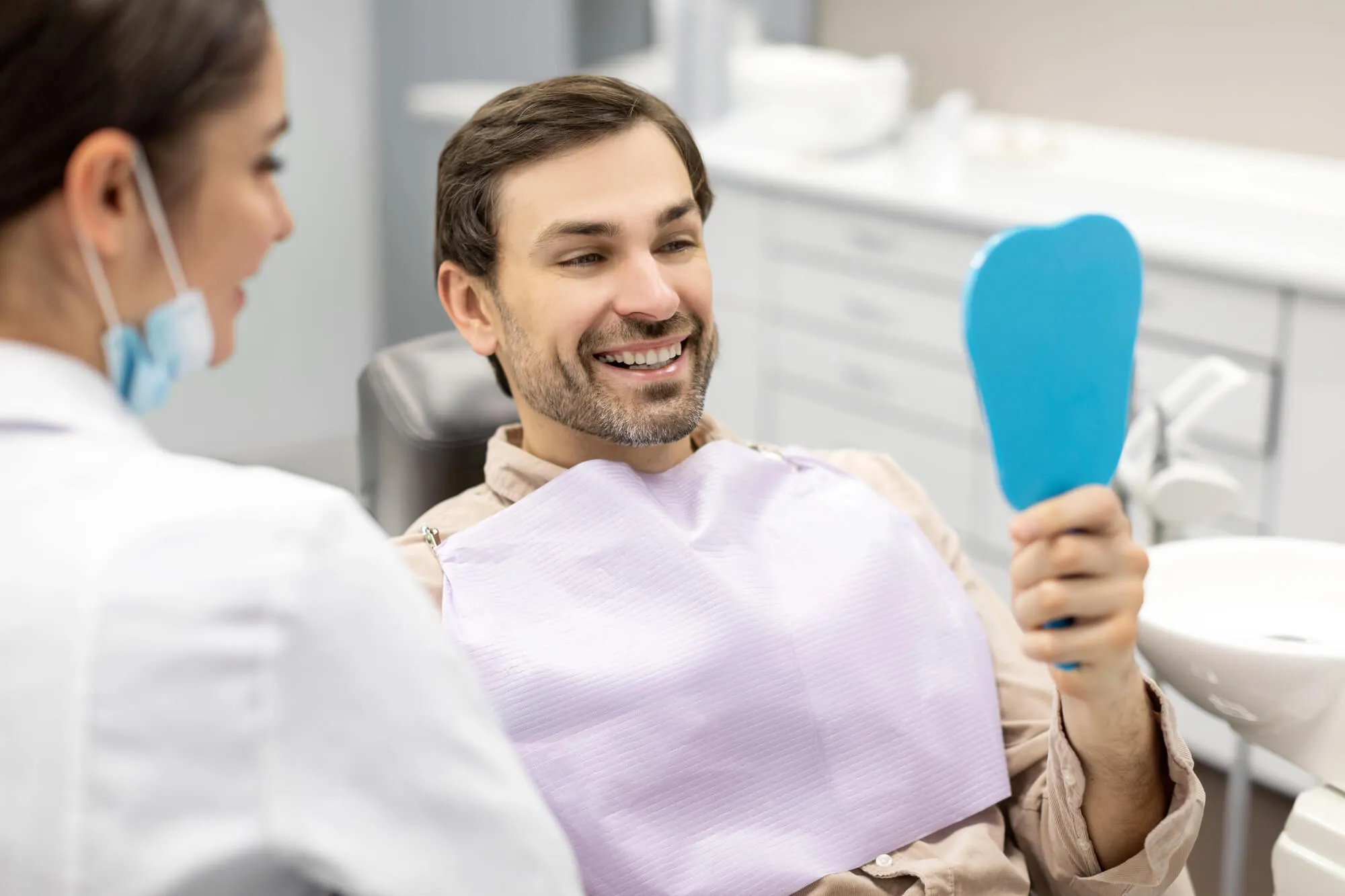
Oral health is not static. The teeth, gums, bite, and overall condition of the mouth continue changing over time, even in patients with consistent hygiene habits. Some changes happen gradually and are easy to overlook at first, while others become more noticeable during everyday activities like eating or brushing. As these changes develop, care needs may also shift. For patients reviewing options with a dentist in Coral Springs with Delta Dental, understanding how oral health changes with age can help support long-term comfort and function.
Why Oral Health Changes Over Time
The mouth experiences years of daily use. Chewing, temperature changes, grinding, and natural aging can gradually affect both the teeth and surrounding tissues.
Teeth Experience Gradual Wear
Teeth handle repeated pressure every day. Over time, this may lead to:
- Worn edges
- Increased sensitivity
- Small chips or surface changes
These changes may happen slowly enough that they are difficult to notice at first.
Gums May Change With Age
The gums can also shift gradually over time. Some patients notice increased sensitivity near the gumline or changes in how the gums fit around the teeth.
This may include:
- Gum recession
- Tenderness during brushing
- Increased sensitivity to temperature
Because gum changes often happen gradually, they are easy to underestimate.
Dry Mouth May Become More Noticeable
Dry mouth becomes more common with age and may also be influenced by certain medications or health conditions.
Reduced saliva may contribute to:
- A sticky feeling in the mouth
- Increased plaque buildup
- Difficulty swallowing comfortably
- Changes in breath freshness
Saliva helps support the mouth’s natural balance, so changes in moisture can affect daily comfort.
How Everyday Comfort Can Be Affected
Changes in oral health can influence more than appearance alone.
Eating May Feel Different
Patients sometimes notice that certain foods become harder to chew comfortably over time.
This may involve:
- Sensitivity during meals
- Pressure while chewing
- Avoiding firmer foods
These adjustments may happen gradually without immediate awareness.
Changes in Bite Pressure
As teeth wear or shift slightly, bite pressure may change as well.
Patients may notice:
- More pressure on certain teeth
- Jaw tightness
- Discomfort during chewing
Even small changes in alignment can influence comfort throughout the day.
Speaking and Daily Interaction
Teeth and oral structures help support speech. Changes in tooth position, wear, or restorations may affect how certain words feel while speaking.
Small differences in comfort may become more noticeable during conversations, work meetings, or social settings.

Why Preventive Care Becomes More Important Over Time
Preventive dental care supports long-term monitoring as oral health needs evolve.
Routine Monitoring Helps Identify Gradual Changes
Some oral health changes are difficult to notice without regular evaluations.
Routine visits allow dental professionals to monitor:
- Areas of wear
- Gum health changes
- Plaque and tartar buildup
- Bite alignment
Tracking changes over time helps create a clearer picture of overall oral health.
Existing Dental Work May Need Attention
Fillings, crowns, bridges, and dentures experience wear over time as well.
Patients may eventually notice:
- Changes in fit
- Rough edges
- Increased sensitivity near restorations
Regular evaluations help determine whether adjustments or maintenance may be helpful.
Gum Health Remains Important
Healthy gums continue supporting the teeth throughout life. Monitoring gum condition remains an important part of preventive care as patients age.
Habits That May Support Long-Term Oral Health
Daily habits continue making a difference over time.
Consistent Oral Hygiene
Brushing and flossing help reduce plaque buildup and support gum health.
Areas near the gumline and between teeth often need extra attention because buildup tends to collect there more easily.
Paying Attention to Small Changes
Symptoms that seem mild at first may still deserve attention.
Examples include:
- Sensitivity that becomes more frequent
- Persistent dryness
- Changes in chewing comfort
Recognizing these patterns early may help support long-term comfort.
Staying Consistent With Dental Visits
Routine evaluations allow changes to be identified earlier and monitored more consistently over time.
When It May Be Time to Schedule a Visit
A dental visit may help if you notice:
- Increased tooth sensitivity
- Gum tenderness or bleeding
- Dry mouth that persists
- Changes in bite pressure
- Difficulty chewing comfortably
- Visible wear or chipping
Even gradual changes can provide useful insight into how oral health needs may be evolving. Some symptoms may seem minor at first, especially when they develop slowly or come and go over time. Routine evaluations help monitor these changes more closely and allow dental professionals to assess whether adjustments in preventive care or treatment may be helpful for maintaining long-term oral health and comfort.
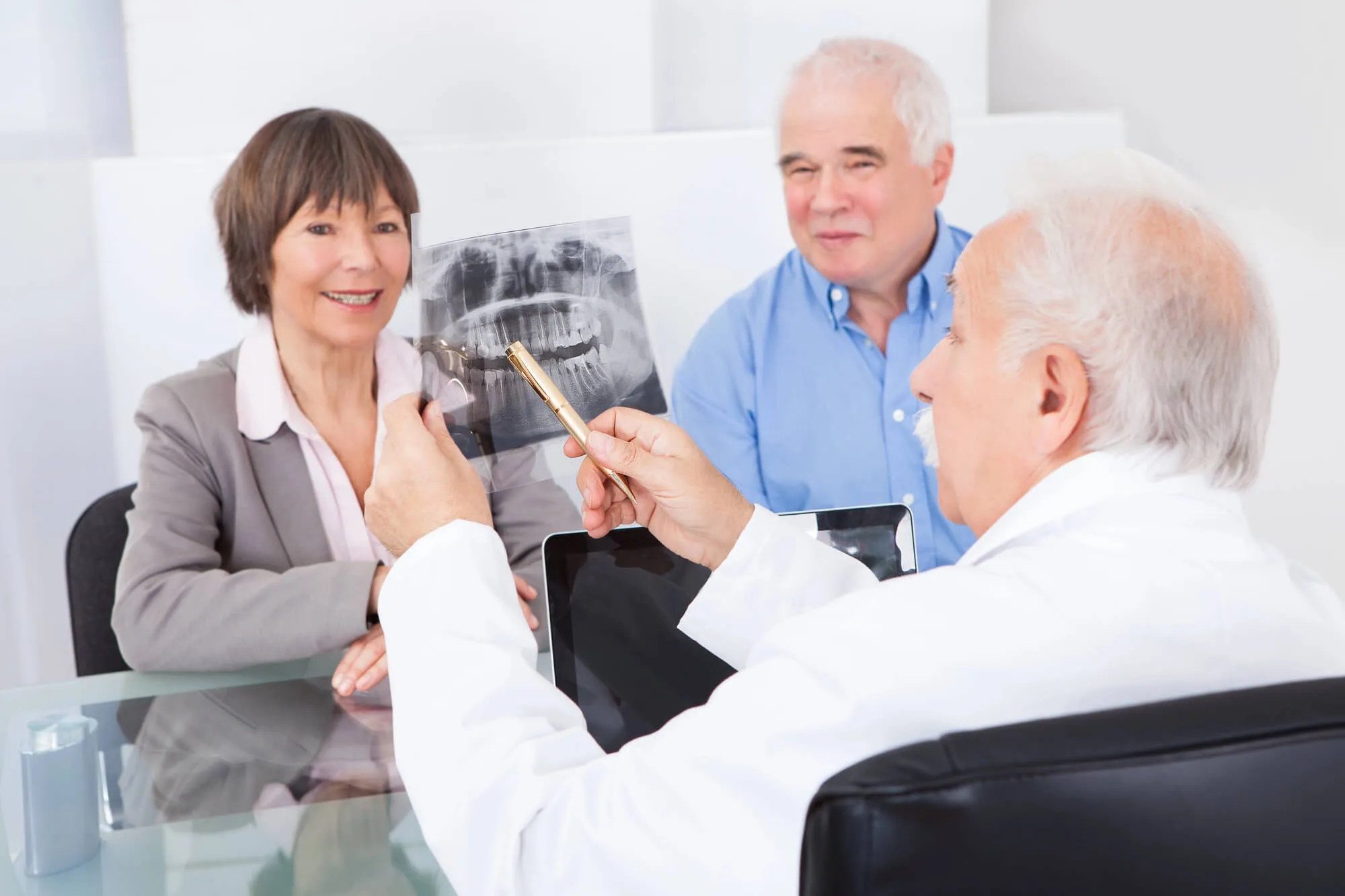
Support Long-Term Oral Health with a Dentist in Coral Springs with Delta Dental
Oral health needs often change gradually with age. Small shifts in sensitivity, gum condition, bite pressure, or comfort may become more noticeable over time. Paying attention to these changes and maintaining preventive care can help support long-term function and daily comfort.
At Friedman Dental Group, patient comfort, preventive care, and personalized treatment remain central to every visit. The team provides comprehensive dental services in a welcoming environment designed to support long-term oral health at every stage of life. For patients reviewing options with a dentist in Coral Springs, scheduling a visit allows the dental team to monitor oral health changes, provide preventive care, and recommend treatment based on individual needs and goals.