

A little sensitivity while drinking something cold. Mild bleeding during brushing. Occasional pressure when chewing. Small dental symptoms are easy to dismiss, especially when they disappear quickly or do not interfere with daily life right away. Still, these subtle changes can sometimes signal that the teeth or gums are reacting to something developing beneath the surface. Because these symptoms often change gradually, it is not always easy to recognize when a visit to a dentist in Miami may be helpful.

Why Small Dental Symptoms Are Often Overlooked
Minor symptoms rarely feel urgent at first. Because they develop gradually or come and go, they are easy to explain away.
Symptoms May Feel Temporary
Some dental discomfort appears briefly, then fades for days or weeks.
Patients may notice:
- Sensitivity while eating sweets
- Mild discomfort when chewing
- Occasional gum tenderness
When symptoms improve temporarily, it can create the impression that the issue has resolved on its own.
The Mouth Adapts Over Time
The body often adjusts to small changes gradually. Patients sometimes change habits without realizing it.
This may include:
- Chewing more on one side
- Avoiding cold foods
- Brushing around sensitive areas
These adjustments may reduce discomfort temporarily while the underlying concern continues developing.
Daily Life Feels Busy
Mild symptoms are easy to postpone when work, family responsibilities, and routines take priority. Small changes may not seem important until they become more noticeable.
What Certain Symptoms May Indicate
Not every symptom means there is a major issue. Still, recurring changes in the mouth often provide useful information about oral health.
Tooth Sensitivity
Sensitivity is one of the most common early symptoms patients notice.
It may appear:
- While drinking cold beverages
- After eating sweets
- During brushing
Sensitivity can have different causes, including enamel wear, gum recession, or irritation within the tooth. If sensitivity becomes more frequent or lasts longer than usual, it may be helpful to have it evaluated.
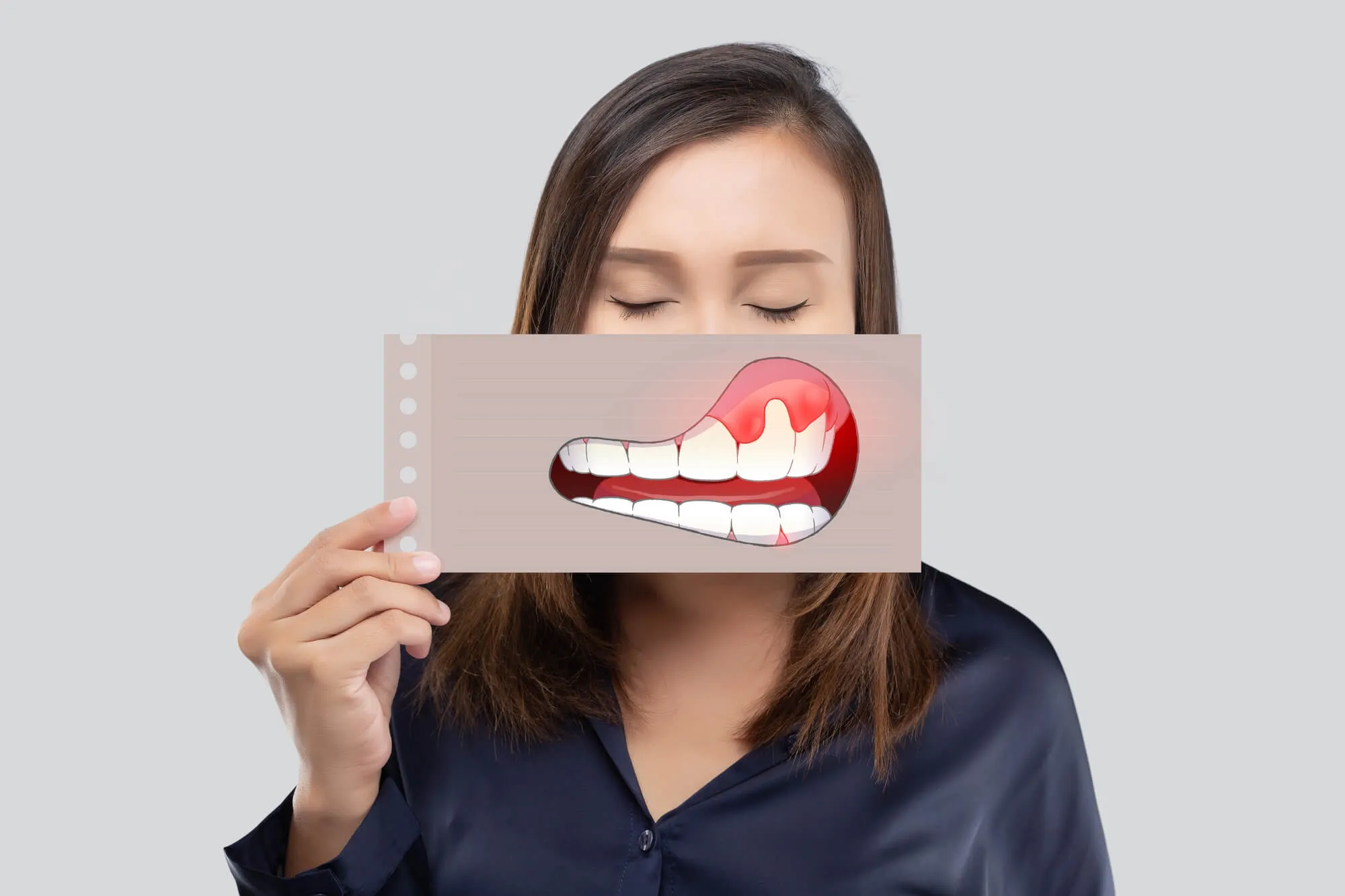
Bleeding While Brushing or Flossing
Occasional bleeding may seem minor, especially if brushing feels aggressive. However, repeated bleeding along the gums may indicate irritation or inflammation.
Patients may notice:
- Redness near the gumline
- Tenderness while flossing
- Swelling in certain areas
Changes in the gums often develop gradually, which can make them harder to notice at first.
Persistent Bad Breath
Bad breath that does not improve after brushing or rinsing may sometimes be linked to buildup or gum-related concerns.
This may occur alongside:
- A lingering taste in the mouth
- Dryness
- Areas that feel difficult to clean thoroughly
Because these symptoms can fluctuate, they are not always immediately connected to oral health changes.
Pressure or Discomfort While Chewing
Discomfort during meals can develop for several reasons.
Patients may notice:
- Pressure on one side of the mouth
- Sharp discomfort when biting
- A feeling that one tooth reacts differently
Even if the pain is mild or inconsistent, it may indicate that the tooth should be evaluated more closely.
Changes in Tooth Appearance
Some symptoms are visible rather than painful.
This may include:
- Dark spots on the teeth
- Small chips or rough edges
- Teeth that appear worn down
Visual changes can sometimes reflect gradual wear or other structural changes that deserve attention.
Why Symptoms Can Change Over Time
Dental symptoms are not always steady. Some improve temporarily before returning later.
Inflammation Can Fluctuate
Inflammation inside the tooth or gums may increase and decrease depending on irritation levels.
This may cause:
- Pain that feels stronger on certain days
- Sensitivity that temporarily fades
- Pressure that becomes noticeable only during meals
These changes can make symptoms feel unpredictable.
Triggers Are Not Constant
Symptoms often depend on specific triggers.
Examples include:
- Cold temperatures
- Sweet foods
- Pressure while chewing
- Clenching during stress
Without those triggers, the mouth may feel normal for periods of time.
Why Early Evaluation Matters
Small symptoms are sometimes the first indication that the teeth or gums are changing. Evaluating these concerns earlier may help prevent them from becoming more disruptive later on.
Monitoring Changes Over Time
Routine dental visits allow professionals to compare current findings with previous visits.
This may help identify:
- Areas of gradual wear
- Changes in the gums
- Increasing sensitivity
- Buildup in certain areas
Tracking patterns over time supports preventive care.
Maintaining Daily Comfort
Addressing smaller symptoms earlier may help preserve comfort during daily activities such as eating, speaking, and brushing.
Supporting Long-Term Oral Health
Preventive care focuses on maintaining healthy teeth and gums before symptoms become more advanced or widespread.
When It May Be Time to Schedule a Visit
A dental evaluation may help if you notice:
- Sensitivity that becomes more frequent
- Bleeding while brushing or flossing
- Persistent bad breath
- Changes in bite pressure
- Visible changes in the teeth
- Symptoms that come and go repeatedly
Even mild symptoms can provide useful insight into oral health changes.

Pay Attention to Early Changes With a Dentist in Miami
Small dental symptoms are easy to dismiss, especially when they appear gradually or improve temporarily. Paying attention to subtle changes in sensitivity, gum health, or comfort may help support long-term oral health and reduce the likelihood of more noticeable problems later on.
At Friedman Dental Group, patient comfort, personalized care, and preventive dentistry remain central to every visit. The team provides comprehensive dental care in a welcoming environment designed to help patients feel informed and comfortable throughout treatment. If you are considering a dentist in Miami, scheduling a visit allows the dental team to evaluate symptoms early, monitor oral health changes, and recommend care that supports long-term comfort and function.