
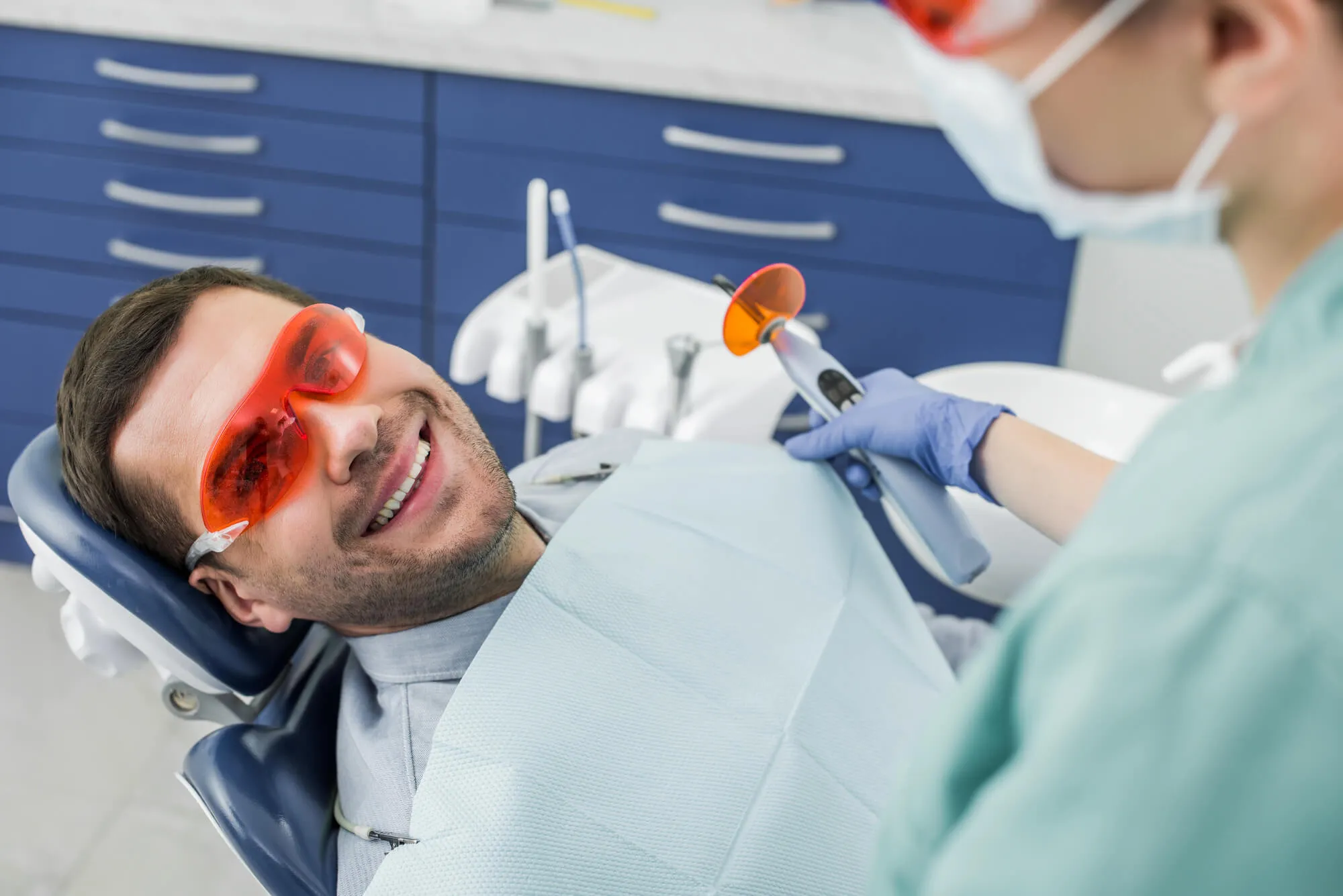
Patients often ask the same question during a cosmetic consultation: how soon should whitening happen before an important event? Some worry about sensitivity, while others hope for results that look bright but still natural in photos. The right timing depends on stain type, oral health, and whether other dental care is planned. With thoughtful scheduling, whitening can look balanced and comfortable. If you’re considering teeth whitening in Miami, knowing when to plan treatment helps your smile look refreshed without feeling rushed.
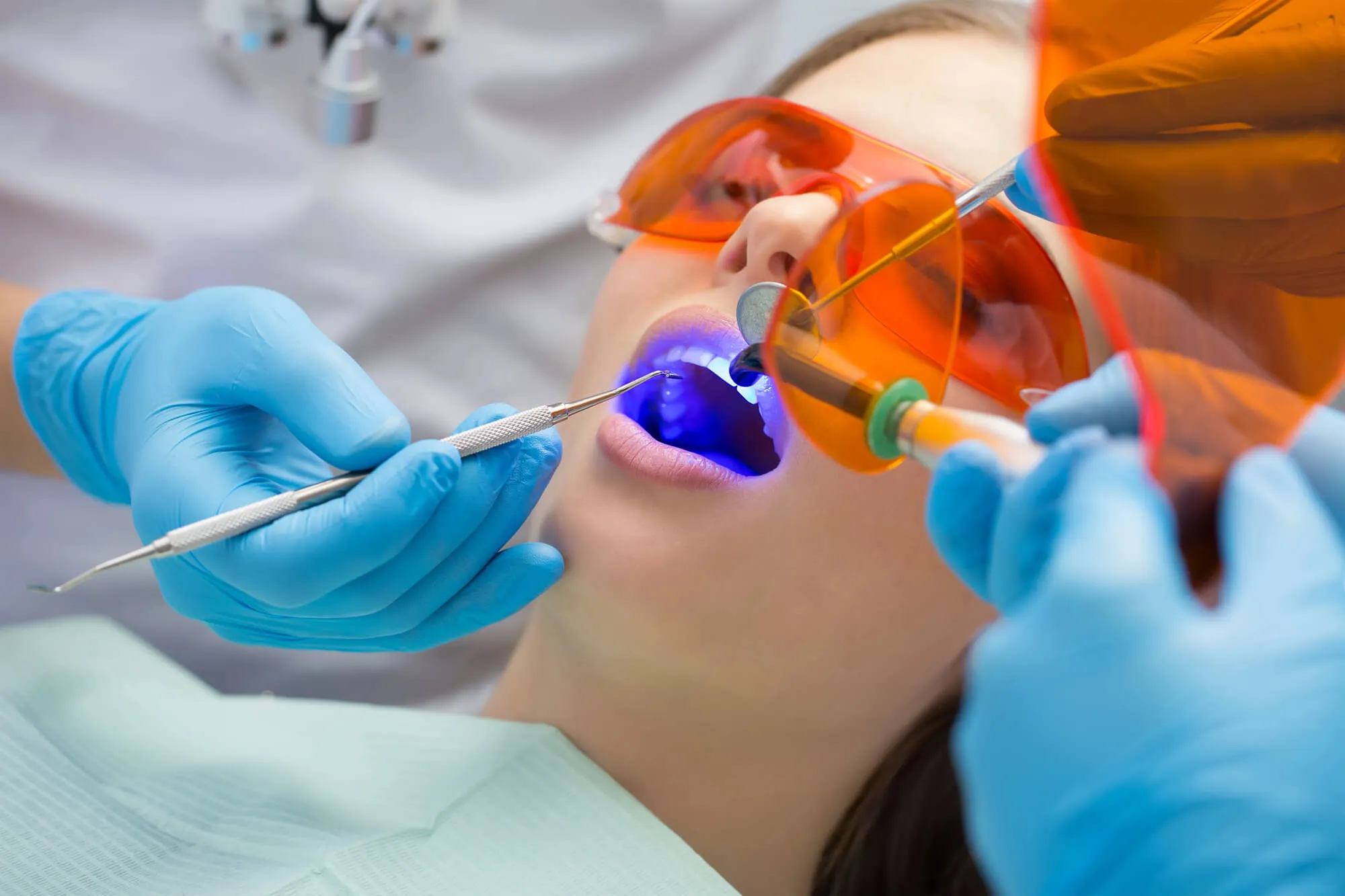
How Soon Should You Plan Teeth Whitening Before an Event?
The right timing depends on the whitening method, your current tooth shade, and whether other dental care is involved. Planning ahead allows your dentist to choose a safe and predictable approach.
Two to Three Weeks Before the Event
For most patients, whitening about two to three weeks before an event works well. This timing allows temporary sensitivity to settle and gives teeth time to rehydrate after treatment, which can slightly soften the final shade. That adjustment period often helps the results look more natural in photos and under different lighting.
It also leaves room for a small touch-up if needed. Teeth respond differently depending on stain depth and enamel thickness, so having extra time helps fine-tune the outcome and avoid last-minute stress.
One Week Before the Event
A one-week timeline can still work, especially with professional in-office whitening. Dentists can adjust treatment strength, monitor comfort, and guide after-care based on your tooth condition. This option works best when teeth are healthy, and discoloration is mild to moderate.
If your event is close, avoid experimenting with unfamiliar at-home kits or internet products. Dentist-guided whitening helps prevent uneven shade, gum irritation, or sensitivity that could affect your comfort right before an important occasion.
More Than a Month Before the Event
Longer timelines are helpful when whitening is part of a broader smile plan. This may include whitening before veneers or bonding, whitening after clear aligners, or whitening alongside restorative work such as crowns.
Properly spacing treatments allows your dentist to carefully match shades, so everything looks balanced and consistent. It also gives time to evaluate results, plan adjustments if needed, and schedule maintenance cleanings so your smile looks polished and photo-ready when the day arrives.
Why Timing Matters More Than Expected
Whitening is not only about making teeth brighter. It’s about choosing a shade that looks natural with your skin tone, lip color, and smile line. Teeth also need a short period after treatment to rehydrate, which softens the color and helps the result look balanced instead of stark.
Rushed whitening can lead to:
- Uneven shade
- Temporary sensitivity
- Results that look too bright in photos
Planning ahead allows your dentist to evaluate the type of stain, review your existing dental work, and adjust treatment if needed. That extra time helps your smile look refreshed rather than overdone, and it keeps expectations realistic for how whitening will appear in natural light, on camera, and in day-to-day moments.
What Else Should You Do Before Whitening?
Whitening works best when teeth and gums are healthy.
Schedule a Dental Cleaning First
Professional cleaning removes plaque and surface stains, allowing whitening to work evenly. Clean enamel reflects light more smoothly, resulting in a more consistent finish.
A cleaning appointment also allows your dentist to check for cavities or gum irritation before whitening.
Review Existing Dental Work
Whitening does not change the color of crowns, veneers, or bonding. Your dentist reviews these areas before treatment so your smile stays balanced afterward. Sometimes whitening is completed first, followed by matching restorations.
Talk About Sensitivity
If you’ve experienced sensitivity before, your dentist can adjust treatment strength or recommend desensitizing toothpaste before whitening. Planning early keeps the process comfortable.
How Long Do Whitening Results Last
Results vary based on habits. Coffee, tea, red wine, smoking, and certain foods can darken enamel again over time. Regular brushing, flossing, and professional cleanings help maintain brightness.
Simple habits help, such as rinsing with water after dark beverages or limiting long sipping sessions.
When Whitening May Not Be the Right First Step
Some discoloration comes from deeper causes such as worn enamel, medication effects, tooth trauma, or existing dental work like crowns and bonding. In these situations, whitening alone may not create an even result because restorations do not change color the same way natural enamel does.
Dentists may recommend options such as bonding, veneers, or crowns to achieve a consistent shade across your smile. A consultation helps evaluate stain type, tooth structure, and overall oral health, so your treatment plan looks natural, feels comfortable, and supports long-term results rather than focusing on quick changes.

Planning Teeth Whitening in Miami Before an Event
Whitening looks best when there’s time to plan. Scheduling treatment two to three weeks before an event allows results to settle and gives room for adjustments. Longer timelines work well when whitening is part of cosmetic or restorative care. With thoughtful timing, your smile looks refreshed in photos and comfortable in daily life.
At Friedman Dental Group, whitening begins with careful evaluation and personalized planning. Their team reviews tooth color, gum health, and existing dental work before recommending treatment, and they coordinate whitening with services such as cleanings, veneers, crowns, implants, or clear aligners when needed.
Schedule a consultation to discuss timing and see how dentist-guided whitening fits your plans with clarity and confidence.