
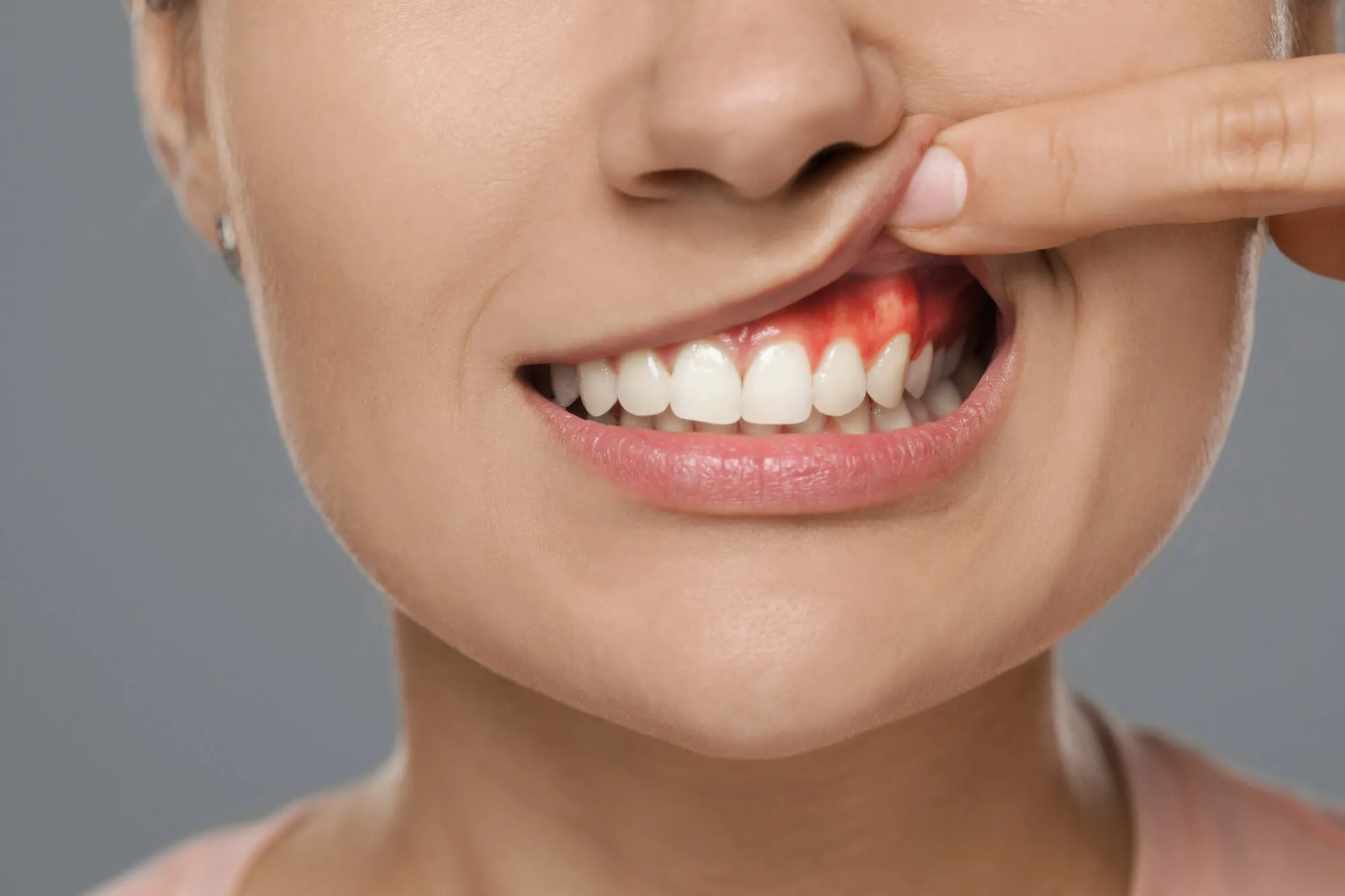
Seeing pink in the sink after brushing can raise concern. Some people brush it off, while others start to question what might be causing it. Bleeding gums often begin without pain, which makes it easy to overlook at first. Over time, small changes in gum health can affect how teeth feel and function. A dentist in Sunrise, FL, may evaluate bleeding gums to determine whether plaque buildup, irritation, or early gum disease may be contributing to the problem.
What Bleeding Gums May Indicate
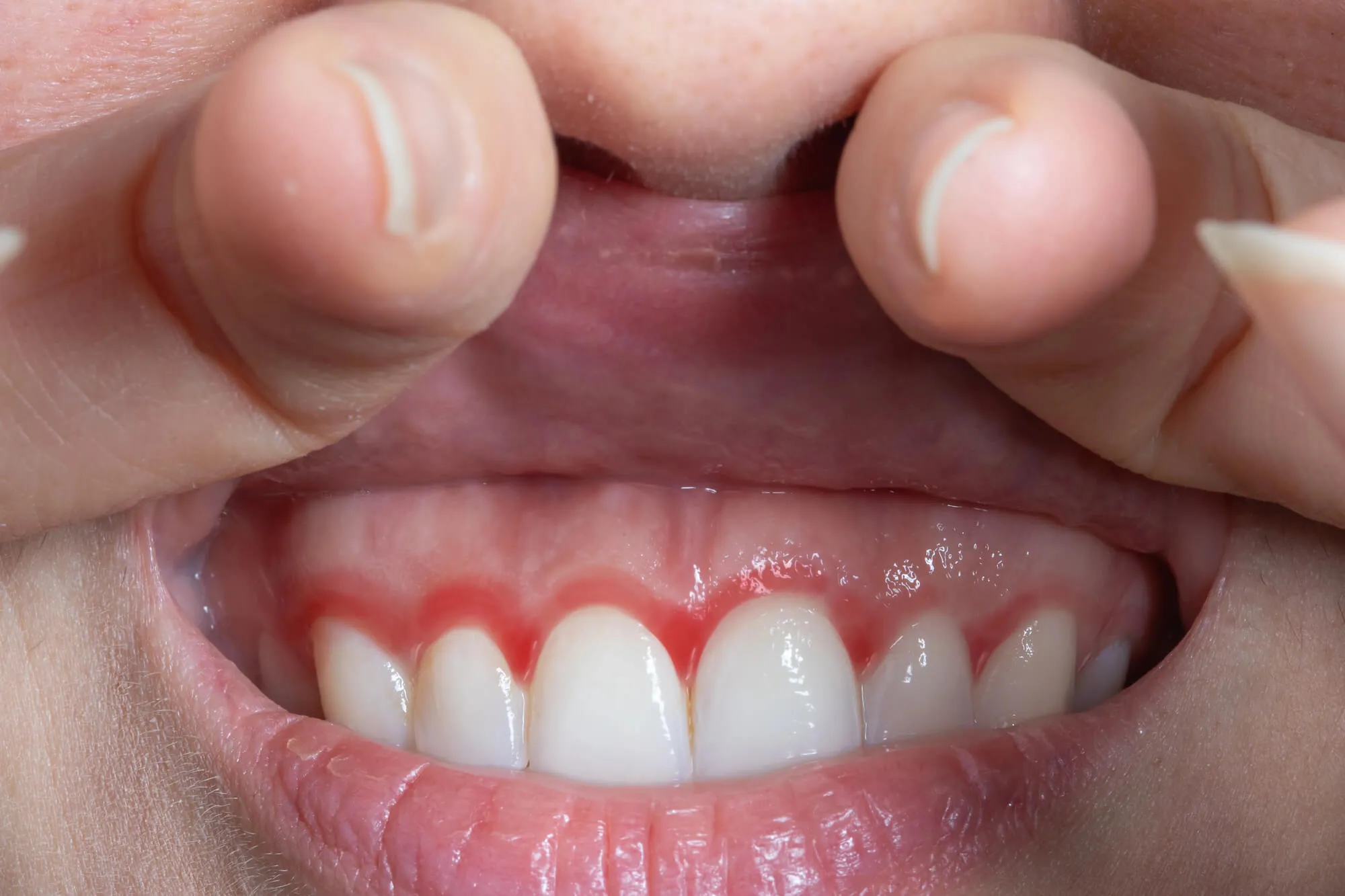
Bleeding gums often reflect inflammation within the gum tissue. Healthy gums should appear firm and pink without bleeding during daily care. When the gums become irritated, they may become more sensitive, especially during brushing or flossing.
At this early stage, the condition is often called gingivitis. The gums may appear slightly swollen or darker. These changes may seem minor, yet they indicate that the tissue is reacting to underlying irritation.
Bleeding does not typically occur without a reason, and it can be one of the first visible signs that the gums are under stress. Recognizing these early changes allows dental professionals to evaluate gum health and provide guidance that supports healthier tissue over time.
Plaque Buildup Along the Gumline
Plaque forms naturally throughout the day. It collects easily near the gumline, especially in hard-to-clean areas. When plaque is not removed consistently, it can irritate the gums and lead to:
- Redness along the edges of the gums
- Swelling or puffiness
- Bleeding during brushing or flossing
Over time, plaque can harden into tartar. Tartar creates a rough surface that allows bacteria to remain attached to the teeth, which can increase irritation.
Professional cleanings help remove tartar and support healthier gum tissue.
Early-Stage Gum Disease (Gingivitis)
Gingivitis develops when plaque continues to affect the gums. At this stage, symptoms often remain mild, which is why they can be overlooked.
Common signs include:
- Bleeding during brushing
- Tender or swollen gums
- Changes in gum color
Gingivitis affects the surface of the gums and does not involve deeper structures. With consistent care and regular dental visits, gum health can often be maintained at this stage.
Progression to Periodontal Disease
If inflammation continues, it may begin to affect the deeper structures that support the teeth. This stage is often referred to as periodontal disease.
As the condition progresses, changes may include:
- Frequent or persistent bleeding
- Gum recession
- Increased sensitivity near the roots
- A shift in how the teeth feel when biting
The gums may begin to pull away from the teeth, creating small spaces where bacteria can collect. Dentists monitor these changes closely during routine visits.
Brushing or Flossing Habits
Bleeding gums are not always linked to gum disease. Brushing too firmly or using a hard-bristle toothbrush can irritate the tissue.
Patients who begin flossing after a long break may also notice temporary bleeding. This may improve as the gums adjust to consistent care.
Helpful adjustments include:
- Using a soft-bristled toothbrush
- Brushing with gentle pressure
- Flossing carefully without snapping against the gums
Dental teams often provide guidance on techniques that support both comfort and effective cleaning.
Hormonal Changes
Hormonal changes can influence how gum tissue responds to plaque. During pregnancy, menstruation, or menopause, gums may become more sensitive.
This sensitivity may lead to:
- Swelling
- Tenderness
- Bleeding during brushing
Maintaining consistent oral care during these times helps support gum health.
Medical Conditions and Medications
Certain medical conditions can affect how the body responds to inflammation. This may make gum tissue more reactive to plaque.
Some medications may also contribute to changes in gum health by affecting saliva levels. Reduced saliva can allow plaque to accumulate more easily.
Dental professionals review medical history during visits to identify factors that may influence oral health.
When Bleeding Gums Should Be Evaluated
Occasional bleeding may happen from time to time, especially after changes in oral care habits. Still, persistent bleeding should be assessed.
Evaluation may be helpful if bleeding:
- Occurs frequently during brushing or flossing
- Appears alongside swelling or redness
- Is accompanied by gum recession or sensitivity
- Occurs without changes in brushing or flossing habits
During a dental visit, the dentist examines the gums, checks for plaque buildup, and evaluates the spaces between the teeth and gums. X-rays may also be used to assess the structures supporting the teeth.
Bleeding gums often reflect early changes in gum health. Identifying the cause allows dental professionals to recommend care that supports both gum and tooth health.

Support Healthy Gums with a Dentist in Sunrise, FL
Bleeding gums may seem minor at first, yet they often signal changes that deserve attention. Identifying the cause early allows dental professionals to manage inflammation, address buildup, and support long-term gum health.
At Friedman Dental Group, patient comfort and personalized care guide every visit. The team provides comprehensive dental services using advanced technology in a welcoming, spa-like environment designed to help patients feel at ease. If you have noticed bleeding gums, scheduling a visit allows our dental team to evaluate your oral health and provide care tailored to your needs.