
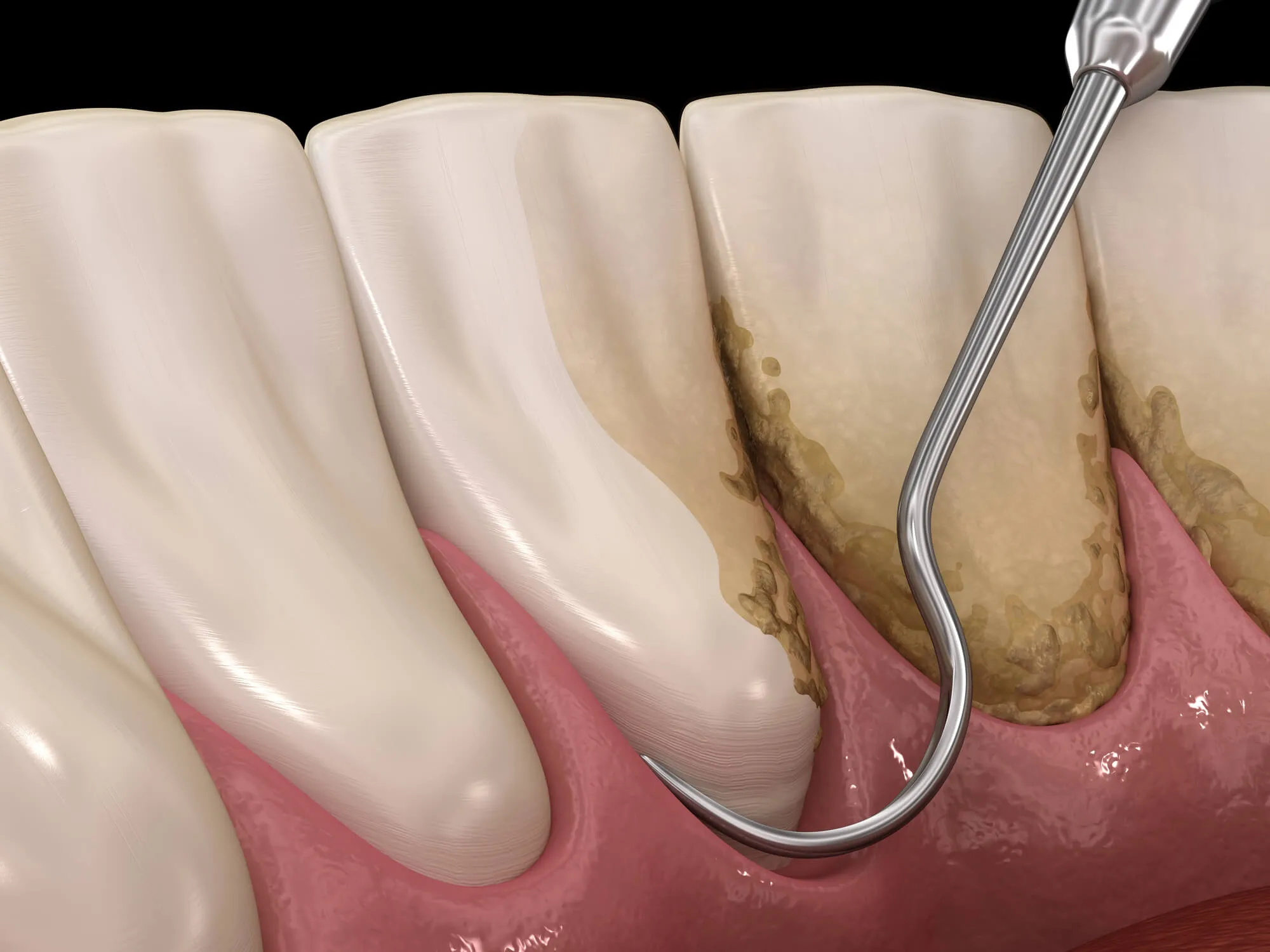
Have you ever brushed your teeth and still felt a rough area that would not go away? That texture may not be a simple plaque. Throughout the day, plaque forms naturally on the teeth, yet when it is not removed consistently, it can begin to harden. This change can happen gradually, which makes it easy to miss at first. Over time, it may affect both teeth and gums. A dentist in Coral Springs may evaluate these changes to determine how buildup is affecting oral health.

How Plaque Forms on Teeth
Plaque is a soft, sticky film made up of bacteria, food particles, and saliva. It develops continuously on the teeth, especially after eating. Foods that contain sugars and carbohydrates tend to contribute more to plaque formation, as bacteria use these substances as a source of energy.
As bacteria feed on these particles, they produce acids. These acids can begin to affect the outer layer of the teeth if plaque remains on the surface for extended periods. Because plaque is soft, it can usually be removed with regular brushing and flossing.
Where Plaque Commonly Builds Up
Certain areas of the mouth are more likely to collect plaque. These areas are often harder to clean thoroughly and may include:
- Along the gumline
- Between teeth
- Around dental restorations such as crowns
- Behind the back teeth
When plaque remains in these areas, it can continue to build and become more difficult to manage with daily care alone.
What Causes Plaque to Turn into Tartar
When plaque is not removed, it begins to absorb minerals from saliva. This process causes the soft film to harden into tartar, also known as calculus.
This transformation can occur within a relatively short time. Once plaque becomes tartar, it attaches firmly to the tooth surface and cannot be removed with regular brushing.
Tartar creates a rough surface that allows more plaque to collect. This can lead to a cycle where buildup continues to increase if not addressed.
Why Tartar Cannot Be Removed at Home
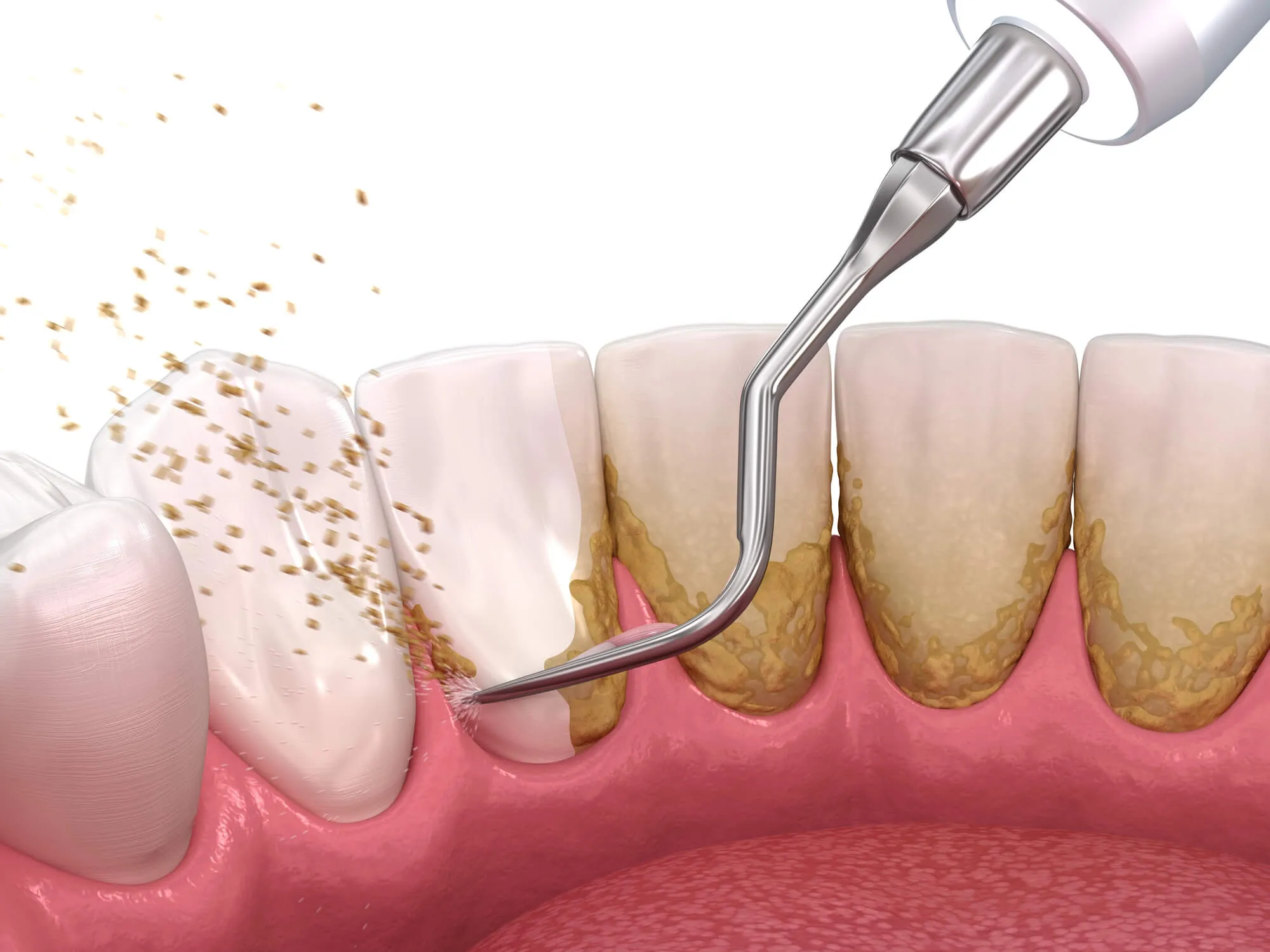
Unlike plaque, tartar has a hardened structure that requires professional tools for removal. Brushing and flossing are effective for soft buildup, yet they are not designed to remove mineralized deposits.
Dental professionals use specialized instruments to remove tartar carefully from the teeth and along the gumline. These tools are designed to protect enamel while addressing areas where buildup tends to collect.
Routine dental cleanings help manage tartar and support a healthier oral environment.
How Tartar Affects Teeth and Gums
Tartar does more than change the texture of the teeth. It can influence both the appearance of the smile and the health of the gums.
Because tartar has a rough surface, it allows bacteria to remain attached to the teeth more easily. This can lead to ongoing irritation of the surrounding gum tissue.
Effects on Gum Health
When tartar builds up along the gumline, it may contribute to inflammation. The gums may appear:
- Red or swollen
- Tender when brushing
These changes can indicate early irritation in the gum tissue.
If buildup continues, inflammation may begin to affect deeper areas. This can lead to changes in how the gums support the teeth.
Effects on Tooth Surfaces
Tartar can also affect how the teeth look and feel. Patients may notice:
- Yellow or brown discoloration
- A rough or uneven texture
- Areas where plaque collects more easily
These surface changes may make it more difficult to maintain consistent oral hygiene.
How Dentists Identify Plaque and Tartar Buildup
Plaque and tartar are often identified during routine dental exams. Dentists examine the teeth closely to look for visible buildups and changes in the gumline.
They may also use dental instruments to detect rough areas on the tooth surface. In some cases, imaging may be used to evaluate areas below the gumline where tartar is not immediately visible.
Early identification allows dentists to address buildup before it affects gum health or leads to more complex concerns.
The Role of Professional Dental Cleanings
Professional dental cleanings help remove plaque and tartar from areas that are difficult to reach with daily care. During cleaning, dental professionals carefully remove buildup from the teeth and around the gumline.
This process helps reduce irritation and supports healthier gums. Cleanings also create a smoother tooth surface, which makes it easier to maintain oral hygiene between visits.
Regular visits allow dentists to monitor changes over time and provide guidance based on each patient’s needs.
When Plaque and Tartar Should Be Evaluated
Plaque and tartar buildup may not always cause discomfort, yet certain signs may indicate the need for evaluation.
Consider scheduling a visit if you notice:
- A rough feeling on the teeth that does not improve with brushing
- Gums that bleed during brushing or flossing
- Visible buildup near the gumline
- Persistent bad breath
During a dental visit, the dentist evaluates both the teeth and gums, checks for buildup, and assesses overall oral health. Addressing these concerns early helps support long-term oral health.
Maintain a Healthier Smile with a Dentist Coral Springs
Plaque forms naturally, yet when it hardens into tartar, it can affect both teeth and gums. Recognizing how this process develops allows dental professionals to manage buildup and support long-term oral health.
At Friedman Dental Group, patient comfort and personalized care guide every visit. The team provides comprehensive dental services using advanced technology in a welcoming, spa-like environment designed to support a relaxed experience. If you have noticed signs of buildup or changes in your gums, scheduling a visit allows the dental team to evaluate your oral health and provide care tailored to your needs.