

Do you wake up with jaw soreness, headaches, or teeth that feel more sensitive than usual? These symptoms can feel confusing, especially when they appear without a clear cause. Nighttime teeth grinding often goes unnoticed, yet it can place repeated pressure on the teeth and jaw during sleep. Over time, this can affect comfort and oral health. A dentist in Tamarac may evaluate these symptoms to determine whether bruxism may be contributing to these changes.
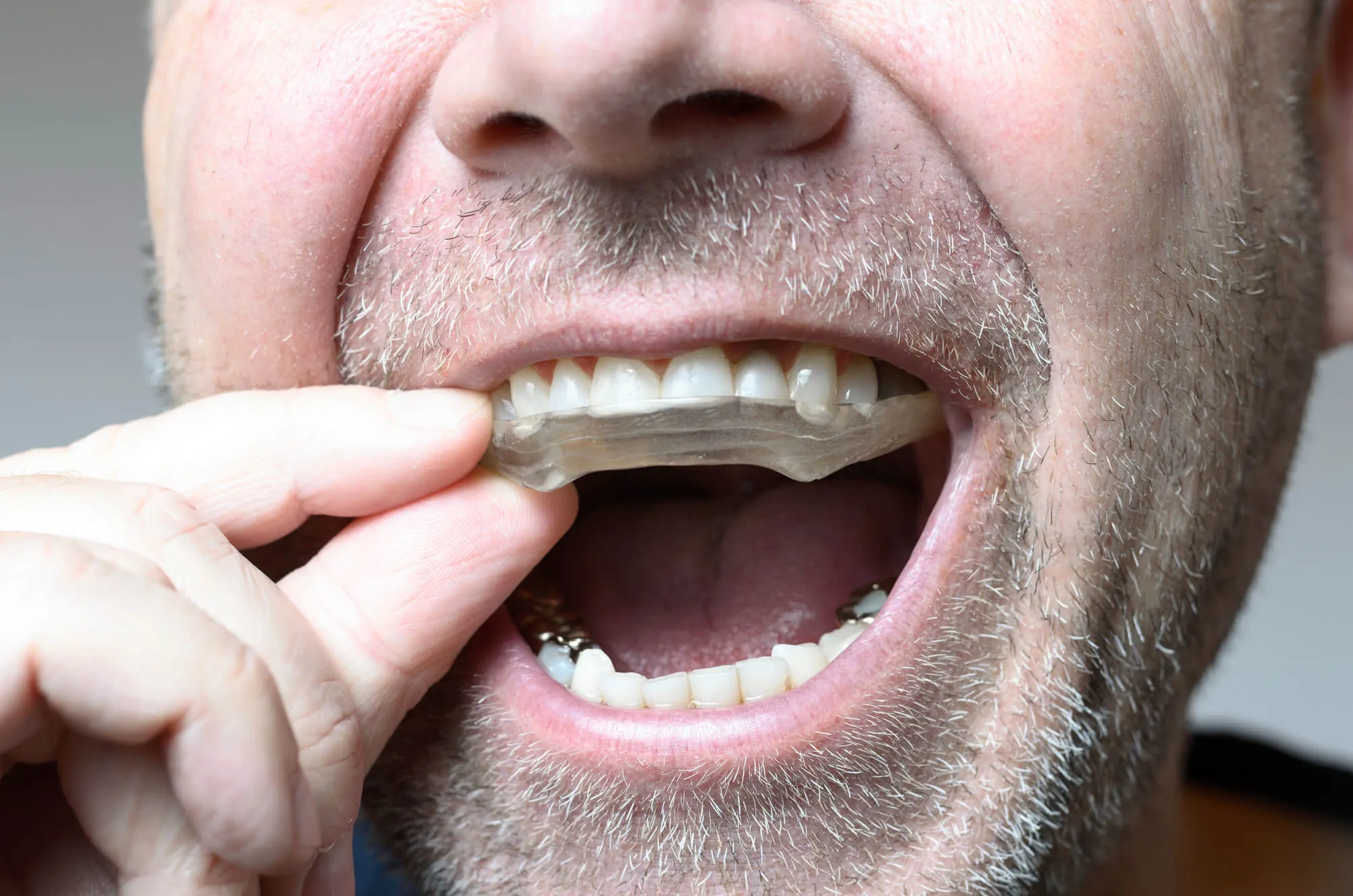
What Teeth Grinding May Indicate
Teeth grinding, also known as bruxism, involves clenching or grinding the teeth, often during sleep. It can occur without awareness, making early signs easy to miss. Some patients notice subtle changes such as sensitivity or shifts in how their bite feels, while others only become aware after visible wear appears. Bruxism may be linked to stress, sleep patterns, or bite alignment. Over time, repeated pressure can affect the teeth, jaw, and surrounding structures.
Signs of Nighttime Teeth Grinding
Because bruxism often occurs during sleep, symptoms may appear gradually. Morning discomfort is often one of the first signs patients notice.
Common signs include:
- Jaw soreness upon waking
- Headaches, especially near the temples
- Teeth that appear flattened or worn
- Increased tooth sensitivity
- Clicking or tightness in the jaw
In some cases, a partner may hear grinding sounds during the night. During routine exams, dentists often identify wear patterns that suggest grinding, even when patients are unaware of the habit.
Daytime vs Nighttime Grinding
Teeth grinding does not always occur during sleep. Some patients clench their teeth during the day, often without realizing it. Daytime clenching is commonly linked to concentration, stress, or habit. Unlike nighttime grinding, patients may be able to notice and adjust this behavior once they become aware of it.
Nighttime grinding, however, is involuntary and may continue for extended periods without interruption. Becoming aware of daytime clenching can help reduce its frequency. Simple adjustments, such as relaxing the jaw and keeping the teeth slightly apart during periods of focus, may help reduce unnecessary pressure.
Effects on Tooth Enamel
Grinding places repeated pressure on enamel, the protective outer layer of the teeth. Over time, this pressure may wear down the surface, leaving the teeth more vulnerable.
As enamel becomes thinner, patients may notice:
- Sensitivity to hot or cold foods
- Changes in the shape of the teeth
Enamel does not regenerate, which makes early identification of grinding important for maintaining the structure of the teeth. As the protective layer becomes thinner, the inner portions of the tooth may become more responsive to temperature and pressure. Monitoring these changes allows dental professionals to recommend ways to protect the teeth and maintain their natural strength.
Impact on the Jaw and Muscles
The jaw muscles are designed to handle normal chewing forces. Grinding introduces a different type of strain that can lead to muscle fatigue.
Patients who grind their teeth may experience:
- Tightness or discomfort in the jaw
- Difficulty opening the mouth fully
- Pain while chewing
- Tension that extends to the neck or shoulders
These symptoms may become more noticeable over time, especially when grinding occurs regularly during sleep.
Bite Changes and Tooth Damage
Ongoing grinding can affect how the upper and lower teeth come together. As enamel wears down, the bite may begin to shift slightly.
This may lead to:
- Uneven tooth wear
- Increased pressure on certain teeth
- Minor fractures or chips
Dentists monitor these changes during exams to help maintain balance in the bite and support long-term oral health.
Possible Causes of Bruxism
Bruxism can develop for a variety of reasons, and more than one factor may be involved.
Common contributors include:
- Stress or tension
- Sleep disturbances
- Misaligned bite
- Lifestyle habits such as caffeine intake
In some cases, bruxism may be influenced by a combination of physical and lifestyle factors. Changes in sleep quality, increased daily stress, or shifts in routine can all contribute to grinding patterns. Some patients may notice that symptoms become more noticeable during periods of higher tension or disrupted sleep. Identifying these patterns helps dental professionals better understand the condition and recommend care that supports both oral health and overall comfort.
When Teeth Grinding Should Be Evaluated
Occasional grinding may not always lead to noticeable concerns. Still, consistent symptoms or visible changes in the teeth should be assessed.
Evaluation may be helpful if:
- Jaw pain occurs regularly
- Teeth appear worn or flattened
- Headaches are frequent upon waking
- Sensitivity develops without another clear cause
- Grinding is noticed by a sleep partner
During a dental visit, the dentist examines wear patterns, evaluates bite alignment, and checks for signs of strain in the jaw. Imaging may be used to assess the structure of the teeth and surrounding areas.
Teeth grinding may not always be immediately noticeable, yet its effects can build over time. Small changes in enamel, bite alignment, or jaw comfort often develop gradually. Paying attention to these signs allows dental professionals to evaluate the condition early and provide care that helps protect the teeth and maintain long-term comfort.
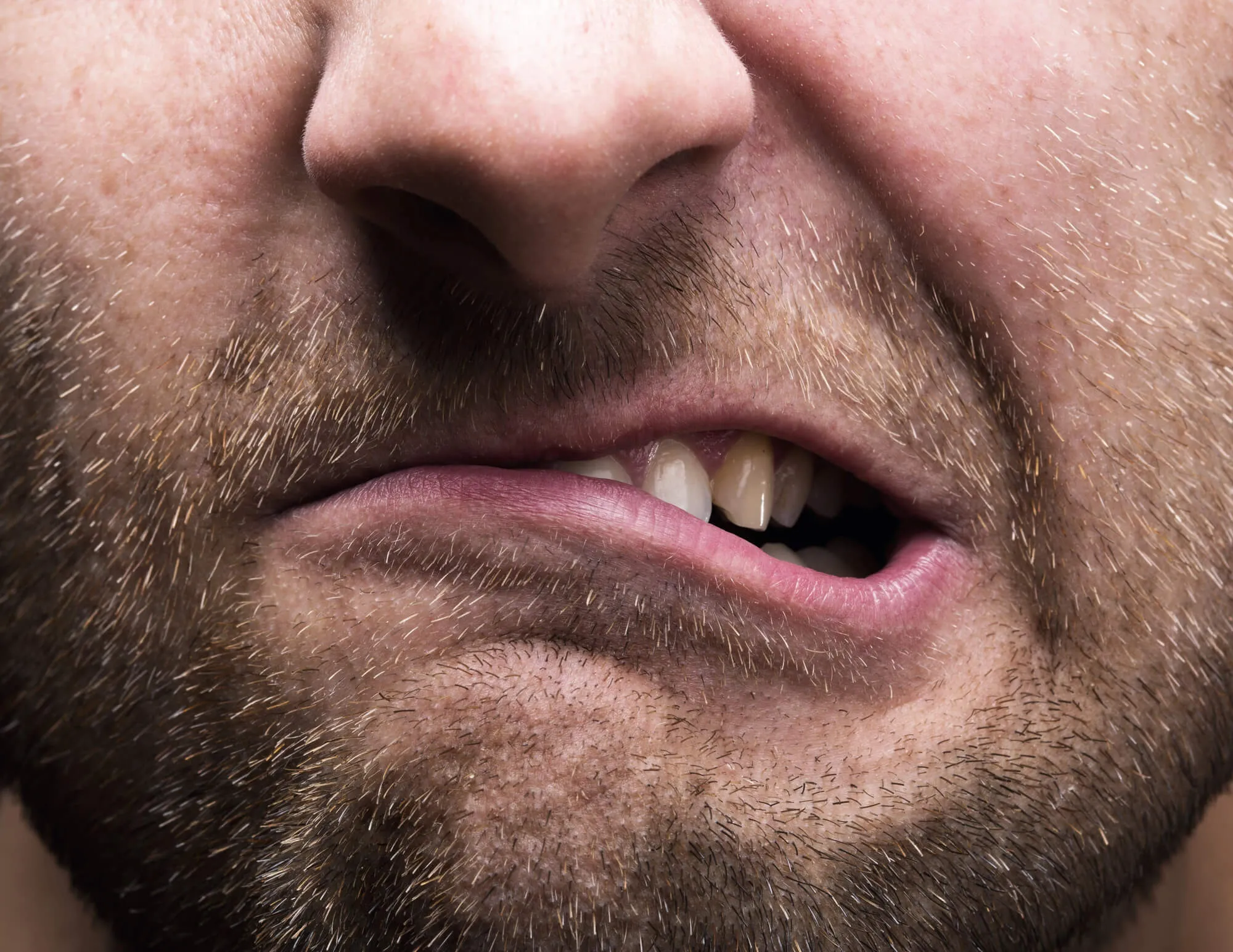
Manage Teeth Grinding With a Dentist in Tamarac
Teeth grinding can affect comfort and long-term oral health. At Friedman Dental Group, care focuses on protecting enamel, supporting jaw function, and reducing strain. In a welcoming, spa-like setting, our team may recommend options such as custom night guards. A consultation allows for evaluation and personalized care tailored to your needs.