
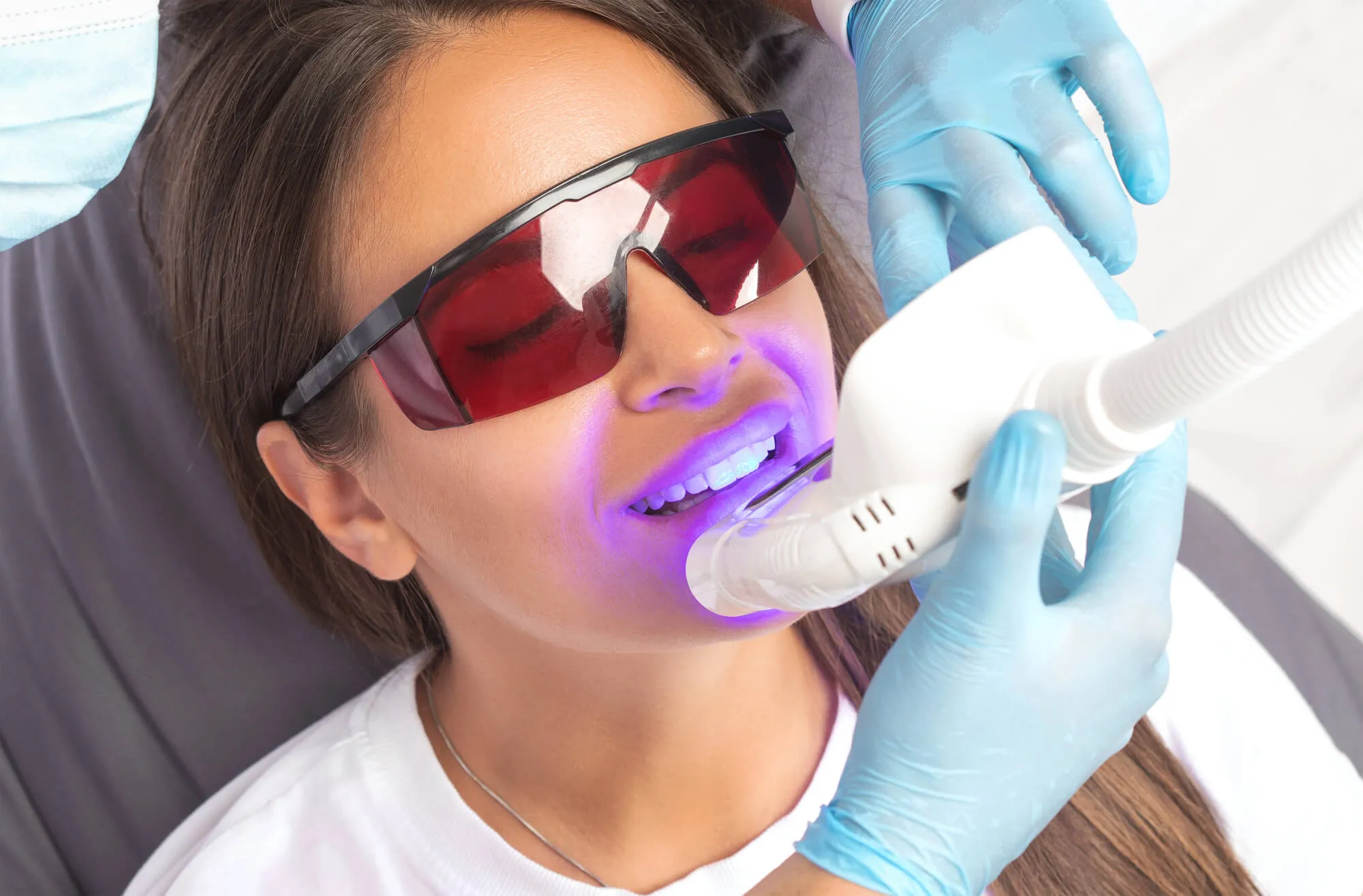
Do you feel frustrated by seeing the same tooth stains day after day, even though you diligently follow your dental care routine? You’re not alone. Many people are unhappy with the color of their teeth, despite brushing regularly and scheduling cleanings.
Tooth discoloration isn’t always caused by surface stains, which is why cosmetic dentists take a closer look before recommending whitening. In cosmetic dentistry in Miami, evaluating the source of discoloration helps determine how your teeth may respond and which approach is most suitable for your smile.
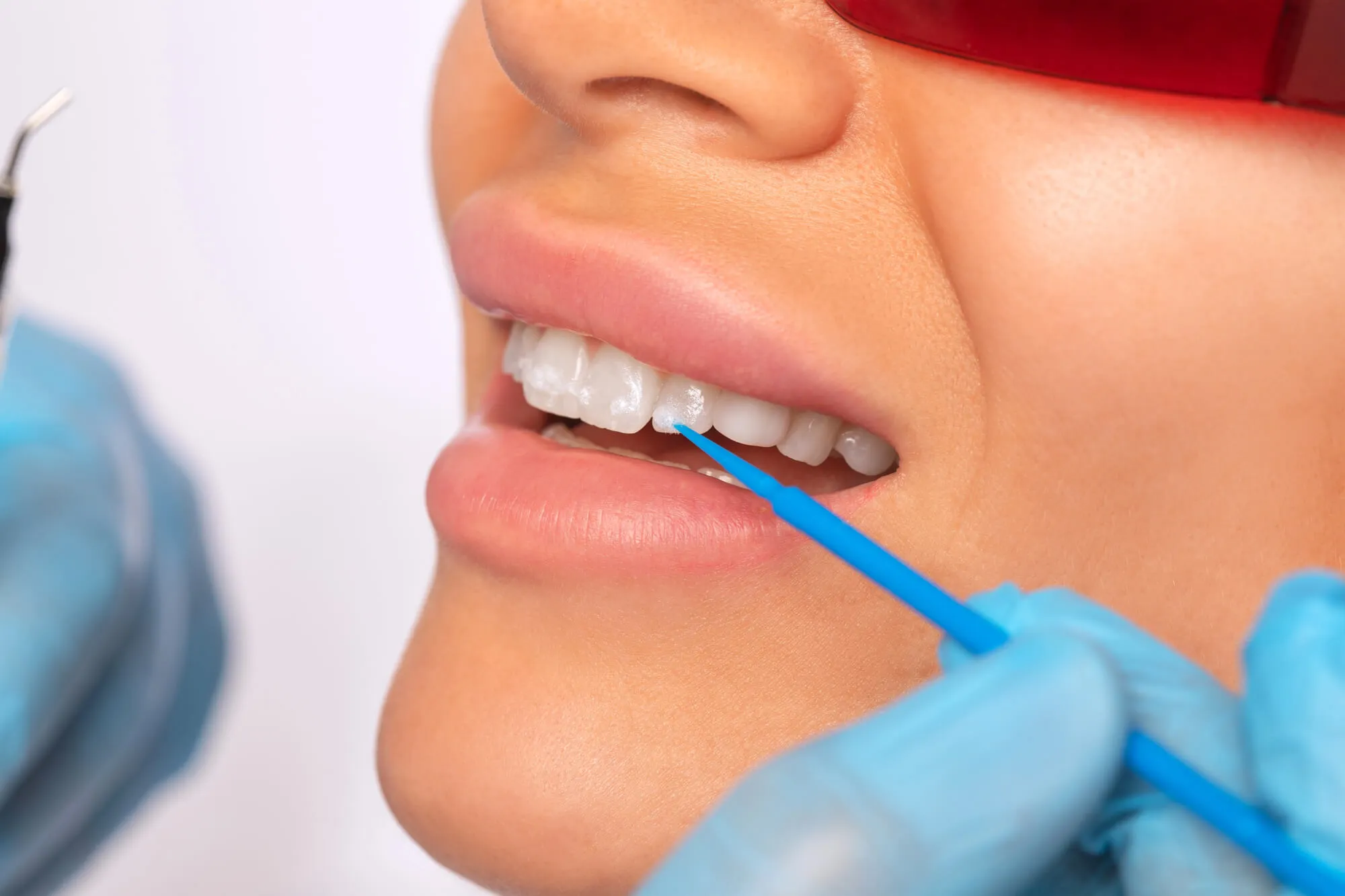
How Dentists Assess Tooth Stains Before Whitening
Whitening is not a one-size-fits-all treatment. Before moving forward, dentists evaluate several factors to understand why stains are present and how your teeth may react to whitening agents.
Surface Stains vs. Deeper Discoloration
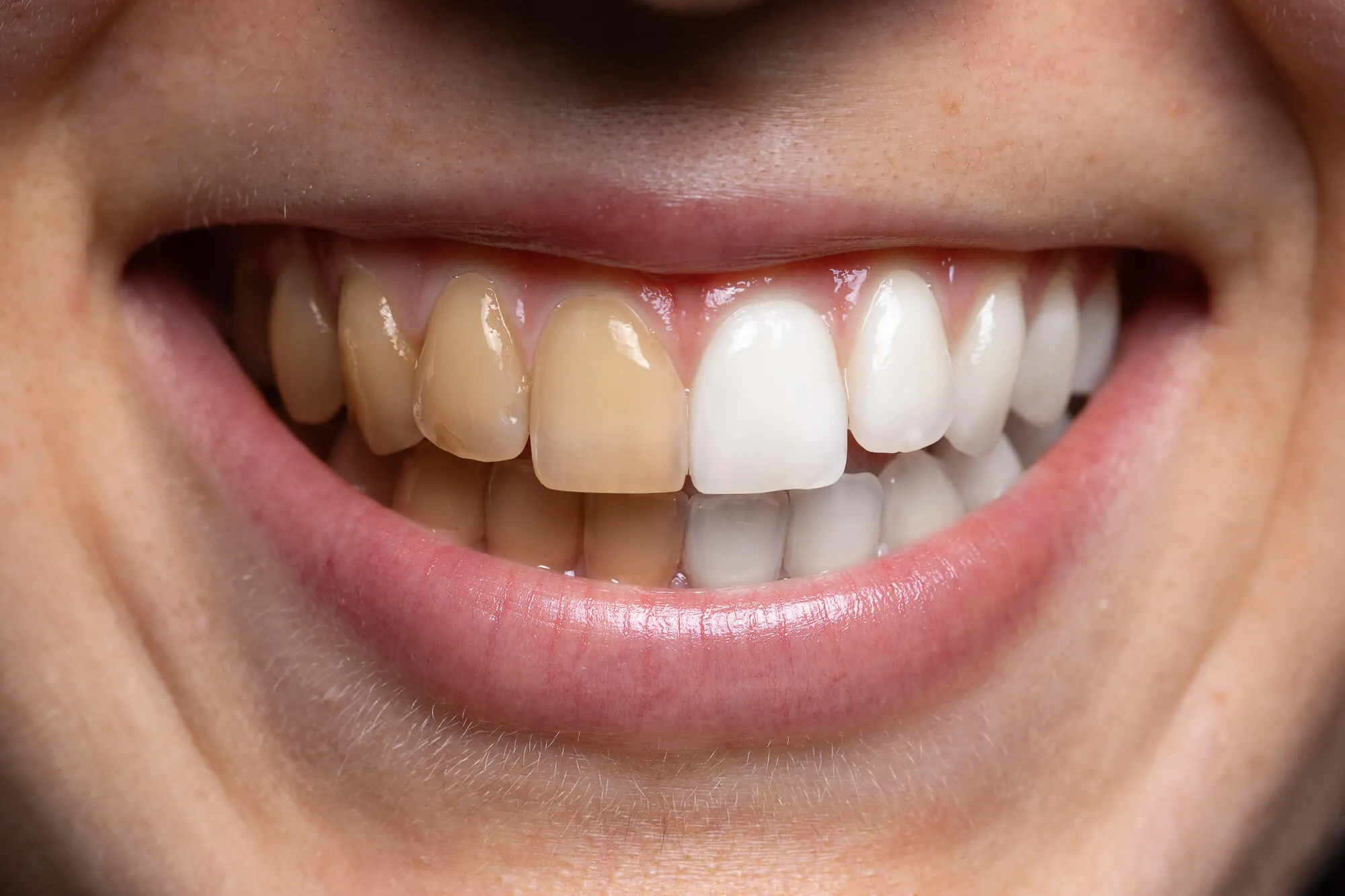
One of the first things dentists examine is the location of the stain. Surface stains sit on the enamel and often come from coffee, tea, wine, smoking, or dark-colored foods. These usually respond well to professional whitening or thorough cleanings.
Deeper discoloration develops beneath the enamel and may be related to aging, tooth trauma, medication use, or internal changes within the tooth. Whitening may have a limited impact in these cases, so identifying the stain type early helps guide realistic expectations.
Natural Tooth Color and Shade Variation
Teeth are not naturally uniform in color. Dentists examine subtle variations across each tooth, including the edges, center, and area near the gums. Shade guides and visual mapping help determine how evenly whitening may work and whether certain areas may brighten differently than others.
This step prevents results that look overly bright or uneven under natural lighting.
Enamel Thickness and Tooth Structure
Enamel thickness affects how light passes through the tooth. Thinner enamel allows the darker dentin underneath to show more clearly, which can limit the extent to which whitening changes the overall appearance.
Dentists assess enamel strength and translucency to determine whether whitening alone is suitable or if another cosmetic option may be better suited to address discoloration.
Existing Dental Restorations
Whitening agents only affect natural tooth enamel. Crowns, veneers, bonding, and fillings remain the same color. Dentists carefully inspect existing restorations, especially on visible teeth, to minimize noticeable shade differences after whitening.
This evaluation helps prevent mismatched colors that can draw attention in an unwanted way.
Gum Health and Sensitivity History
Healthy gums support better whitening outcomes. Dentists check for irritation or recession and ask about previous sensitivity. Whitening can temporarily increase sensitivity for some patients, so this step helps tailor treatment choices for comfort and safety.
Why Evaluation Matters Before Whitening
Skipping the evaluation phase can lead to uneven results or disappointment. Whitening is most effective when guided by a clear understanding of the type of stain, the condition of the enamel, and the overall state of oral health.
By identifying the cause of discoloration first, dentists can recommend options that align with both your goals and your teeth. Sometimes whitening is a great fit. Other times, different cosmetic treatments may offer more predictable results.
That thoughtful approach helps patients feel confident moving forward.
What Happens After the Assessment
Once the evaluation is complete, your dentist will explain what whitening can achieve for your teeth, including how bright your smile may become and how long the results are expected to last.
You’ll also receive guidance on timing, especially if you have upcoming events or photos.
This clarity allows you to decide what works best for your schedule and expectations.
Is Whitening Always the Right Option?
Whitening can be effective for many people, especially those with surface stains and healthy enamel. For deeper discoloration or more complex concerns, dentists may recommend other cosmetic solutions that offer better shade control.
The goal is never just whiter teeth. It’s a smile that looks balanced, natural, and comfortable in everyday settings.
Supporting Your Smile After Whitening
Whitening can brighten your smile, but what happens afterward plays a big role in how long those results last. Daily habits and routine care help preserve color and keep teeth looking fresh without extra effort.
Dentists often recommend a few practical adjustments that can easily be incorporated into everyday life.
Common suggestions include:
- Rinsing with water after coffee, tea, or red wine
- Choosing toothpaste that’s gentle on enamel
- Keeping up with regular professional cleanings
- Using a straw for dark beverages when possible
- Paying attention to sensitivity and reporting changes
These habits help limit new surface stains and support overall oral health. With consistent care, whitening results can remain noticeable and refreshing over time.
That ongoing maintenance also ties into a broader conversation about whether whitening is always the right option, or if other cosmetic approaches may be better suited for certain types of discoloration.
A Careful Approach to a Brighter Smile with Cosmetic Dentistry in Miami
Tooth whitening works best when guided by evaluation rather than guesswork. Understanding the type of stain, enamel structure, and lifestyle factors allows dentists to recommend treatments that suit your smile and expectations.
At Friedman Dental Group, cosmetic care begins with careful assessment and personalized planning. Our team focuses on achieving results that feel natural, comfortable, and tailored to each patient’s individual needs.
Schedule a consultation to discover how a thoughtful approach to whitening can help you achieve a smile you feel confident sharing.