
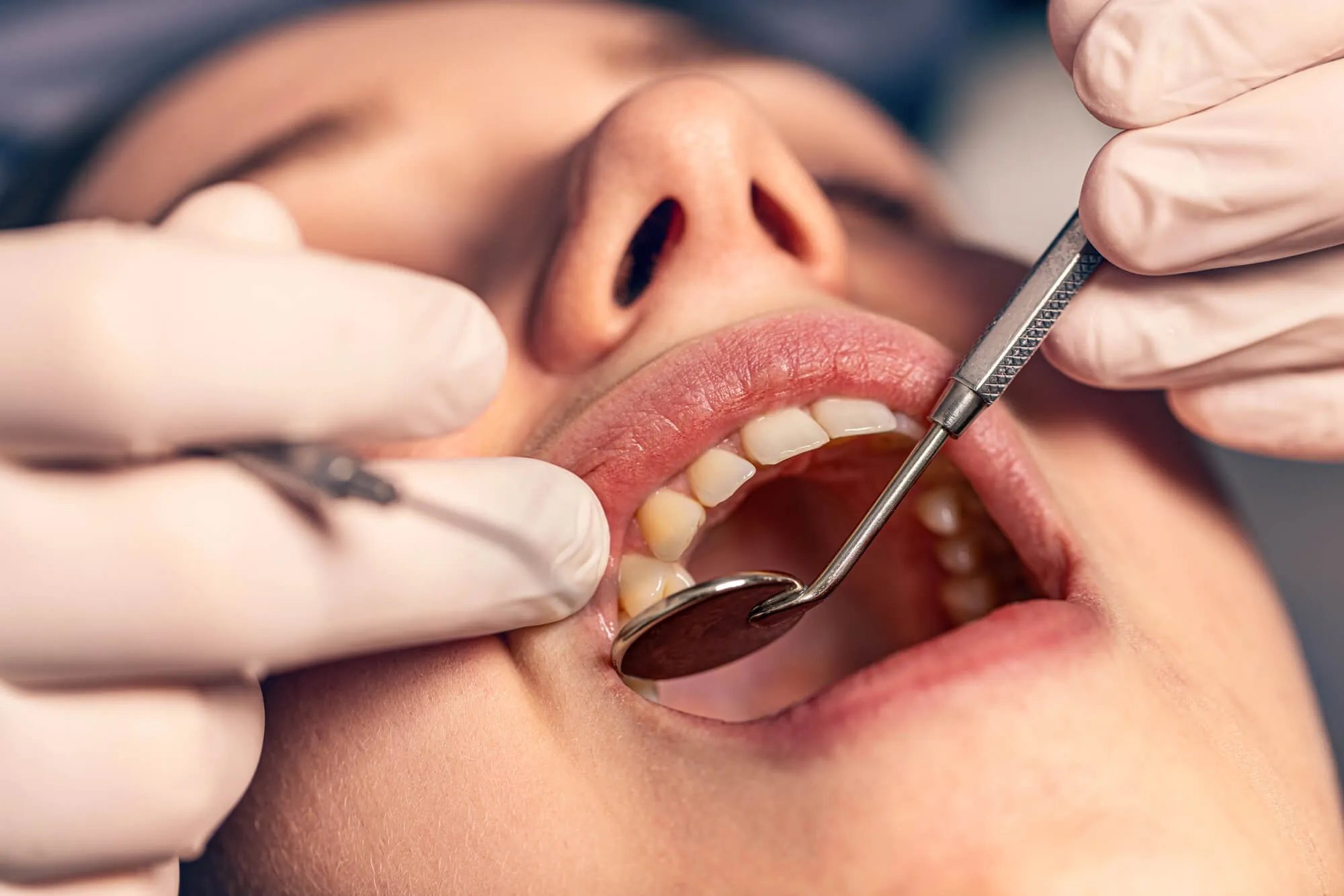
Have your teeth started to feel more sensitive to cold drinks, or have they appeared slightly dull over time? These subtle changes can raise questions about what may be happening beneath the surface. Enamel erosion often develops gradually, which makes it easy to overlook in the early stages. As the protective outer layer of the tooth begins to wear down, small changes in appearance and sensation may occur. A Coral Springs dentist may evaluate these signs to determine whether enamel erosion may be affecting your teeth.

What Tooth Enamel Erosion May Indicate
Tooth enamel is the outermost layer of the tooth. It serves as a protective barrier against daily wear, temperature changes, and exposure to acids. Although enamel is strong, it is not immune to gradual breakdown over time.
Enamel erosion occurs when acids begin to wear away this protective layer. Unlike cavities, which are caused by bacteria, erosion is often linked to direct acid exposure. This may come from dietary sources, environmental factors, or internal conditions.
As enamel becomes thinner, the underlying dentin may become more exposed. This can lead to noticeable changes in both the appearance and sensitivity of the teeth.
Increased Tooth Sensitivity
One of the earliest signs of enamel erosion is increased sensitivity. As enamel wears down, the tooth becomes less insulated from temperature changes.
Patients may notice:
- Sensitivity to cold drinks
- Discomfort with hot foods
- Sensitivity when consuming sweet or acidic items
These sensations may begin mildly and become more noticeable over time as the enamel continues to thin.
Changes in Tooth Appearance
Enamel erosion can also affect how the teeth look. As the outer layer wears down, the surface may appear less smooth or glossy.
Common visual changes include:
- Teeth appearing more yellow due to exposed dentin
- A dull or matte surface instead of a natural shine
- Edges of teeth becoming more translucent
These changes often develop gradually, making them difficult to notice without regular dental exams.
Rounded or Worn Tooth Edges
As enamel erodes, the edges of the teeth may begin to change shape. Instead of sharp or defined edges, teeth may appear more rounded or uneven.
This may include:
- Flattened biting surfaces
- Slight chipping along the edges
- Teeth that appear shorter over time
These structural changes can affect how teeth come together when biting.
Surface Irregularities
Erosion may create small changes in tooth texture. Certain areas can feel less smooth or slightly irregular when the tongue passes over them.
These may include:
- Small indentations on the surface
- A rough or uneven texture
- Thinning in certain areas of the tooth
These irregularities can make it easier for plaque to accumulate.
What Causes Enamel Erosion
Enamel erosion can result from repeated exposure to acids. These acids may come from both external and internal sources.
Common contributors include:
- Acidic foods and beverages such as citrus, soda, and sports drinks
- Frequent snacking, which increases acid exposure
- Acid reflux or digestive conditions
- Dry mouth, which reduces the protective effect
Saliva plays an important role in neutralizing acids and supporting enamel health. When saliva flow is reduced, teeth may become more vulnerable to erosion.
The Role of Daily Habits
Daily habits can influence how quickly enamel erosion develops. Brushing immediately after consuming acidic foods may contribute to wear, as enamel may be temporarily softened.
Other contributing habits may include:
- Frequent consumption of acidic drinks
- Sipping beverages throughout the day
- Using excessive pressure while brushing
Small adjustments in routine may help reduce ongoing exposure to acid and support enamel preservation.
How Dentists Identify Enamel Erosion
Enamel erosion is often identified during routine dental exams. Dentists evaluate the appearance and structure of teeth to detect early changes.
They may assess:
- Changes in tooth color
- Surface texture
- Areas of thinning enamel
- Sensitivity patterns
In some cases, imaging may be used to evaluate deeper areas of the tooth. Early identification allows dental professionals to monitor progression and provide guidance on protecting the remaining enamel.
When Enamel Erosion Should Be Evaluated
Enamel erosion may not always cause immediate discomfort, yet certain signs may warrant evaluation.
Consider scheduling a visit if you notice:
- Increased tooth sensitivity
- Changes in the color or appearance of your teeth
- Edges of teeth becoming more rounded or uneven
- A rough or different texture on the tooth surface
During a dental visit, the dentist evaluates the teeth, reviews habits that may contribute to erosion, and assesses overall oral health.
Recognizing these signs early allows for recommendations that support long-term tooth structure and comfort.

Protect Your Smile with a Coral Springs Dentist
Enamel erosion can affect both the appearance and comfort of your teeth over time. Identifying early signs allows dental professionals to monitor changes and support long-term oral health.
At Friedman Dental Group, patient comfort and personalized care guide every visit. The team provides comprehensive dental services using advanced technology in a welcoming, spa-like environment designed to support a relaxed experience. If you have noticed changes in your teeth or increased sensitivity, scheduling a visit allows the dental team to evaluate your oral health and provide care tailored to your needs.