
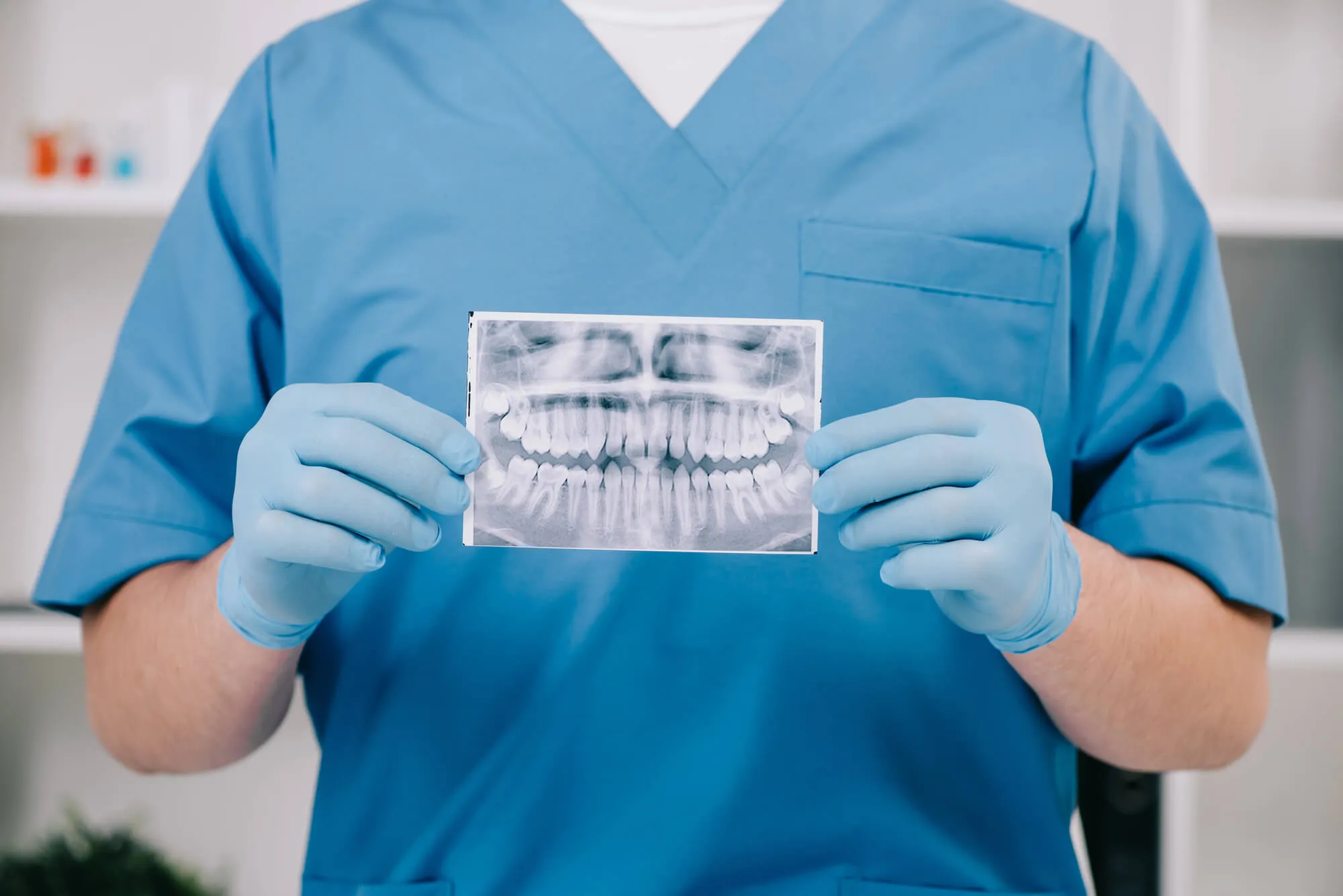
You finally commit to Invisalign, and then the questions hit fast. Will it hurt? Will you talk differently at work? Will people notice right away? That first week can feel unfamiliar, even for patients who are excited about improving their smile. The good news is that most changes are manageable once you know what’s normal. If you’re starting Invisalign in Miami, here’s what the first week often feels like—day by day—so you can feel prepared, comfortable, and confident from the start.
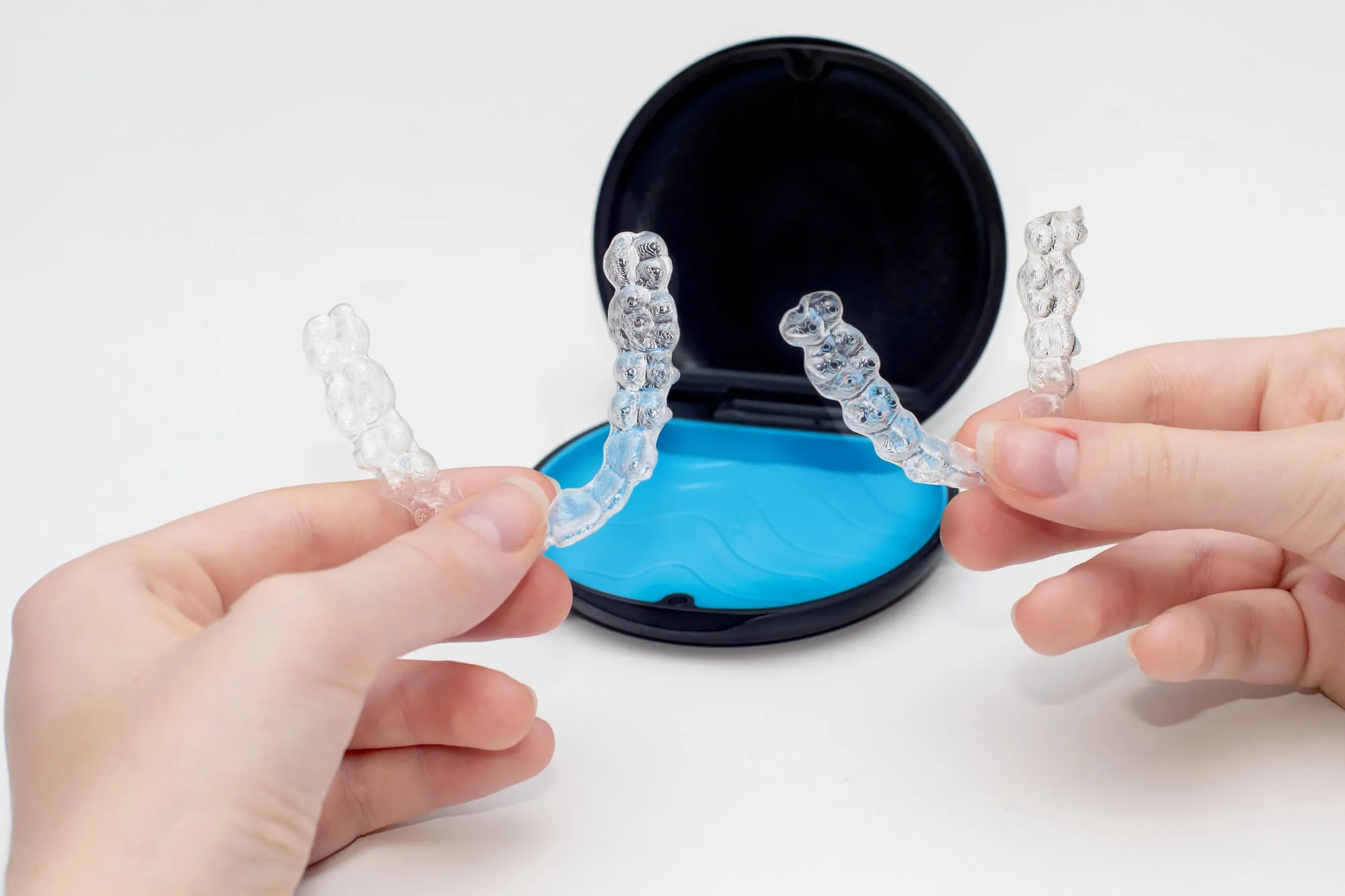
The First Week of Invisalign: What’s Normal and What to Expect
The first week is less about dramatic changes and more about adjusting to something new in your mouth. Your teeth are beginning to shift, your routine changes a little, and your mouth needs time to adapt. Here’s what many patients notice during those first few days.
Day 1: Pressure, Tightness, and “Is This How It’s Supposed to Feel?”
Most people don’t describe the first day as sharp pain. It’s more like pressure. Your aligners may feel snug, especially when you first put them in. That tightness is a sign they’re doing what they’re designed to do—gently guiding your teeth into new positions.
You may feel the most pressure when you bite down or when you remove your trays. Taking them out can feel awkward at first, mainly because your hands aren’t used to the motion yet. After a couple of days, this becomes much easier.
Helpful habits on day one:
- Put aligners in after meals so they stay on longer
- Use a removal tool if your trays feel hard to lift
- Expect mild tenderness, especially on certain teeth
Days 2–3: The “Sore Teeth” Phase
For many patients, days two and three are the most noticeable. Teeth often feel tender while chewing, especially with crunchy foods. It’s common to switch to softer meals for a day or two.
This is also the phase where you might feel the aligners more. Your mouth is adjusting to the edges of the trays, and your tongue may keep “checking” them out without you realizing it.
What helps during this stage:
- Stick to softer foods if chewing feels uncomfortable
- Rinse with cool water if your teeth feel sensitive
- Keep aligners in as directed to stay on schedule
The soreness usually peaks quickly, then fades.
Days 3–4: Speaking Feels Different (But It Improves Fast)
One common worry is speech. Some patients notice a slight lisp at first. This is usually temporary and often more noticeable to you than to anyone else.
Your tongue adjusts to the aligner surface, and your speech normalizes with practice. Reading aloud for a few minutes a day can help your mouth adapt more quickly, especially if you speak a lot at work.
A few reminders that ease anxiety:
- Minor speech changes are common
- Most people adjust within several days
- Confidence improves once you stop overthinking it
Day 4–5: Your Routine Starts to Click
By midweek, most patients feel more comfortable. The “newness” fades, and your day becomes more predictable. Taking aligners out and putting them back in starts to feel automatic.
You’ll likely notice that Invisalign is less disruptive than you expected. You can still attend meetings, go out socially, and keep your normal schedule. The main shift is simply being more mindful about meals, snacks, and how often you wear your trays.
This is often the point where patients think, “Okay, I can do this.”
Day 5–7: Cleaner Habits and a More Aware Smile
Many Invisalign patients become more aware of their oral care habits in the first week. Since you’re removing aligners before eating, brushing becomes a more consistent routine.
You may also notice your teeth feel smoother because you’re brushing more frequently and paying closer attention to hygiene. While major visual changes won’t happen in the first week, patients often feel more in control of their smiles.
You might notice small improvements like:
- Less snacking out of habit
- Better brushing consistency
- More awareness of tooth alignment and bite
As your routine becomes more familiar, a few simple tips can make the first week even easier and more comfortable.
Tips That Make the First Week Easier
The first week isn’t about perfection. It’s about building habits that help Invisalign fit into your life.
Here are a few practical tips:
Plan Your Meals a Bit More
Since aligners need to come out for eating, spacing meals helps. If you snack frequently, you may feel like you’re constantly removing trays. Many patients naturally shift to fewer snacks and more structured meals.
Keep a Simple Invisalign Kit
A small kit in your bag or car can help you stay consistent. It may include:
- A travel toothbrush
- Toothpaste
- Floss picks
Clean Aligners Gently and Consistently
Avoid using hot water since it can warp trays. A gentle rinse and routine cleaning keep them fresh. Your dentist will also guide you on cleaning products that are safe for aligners.
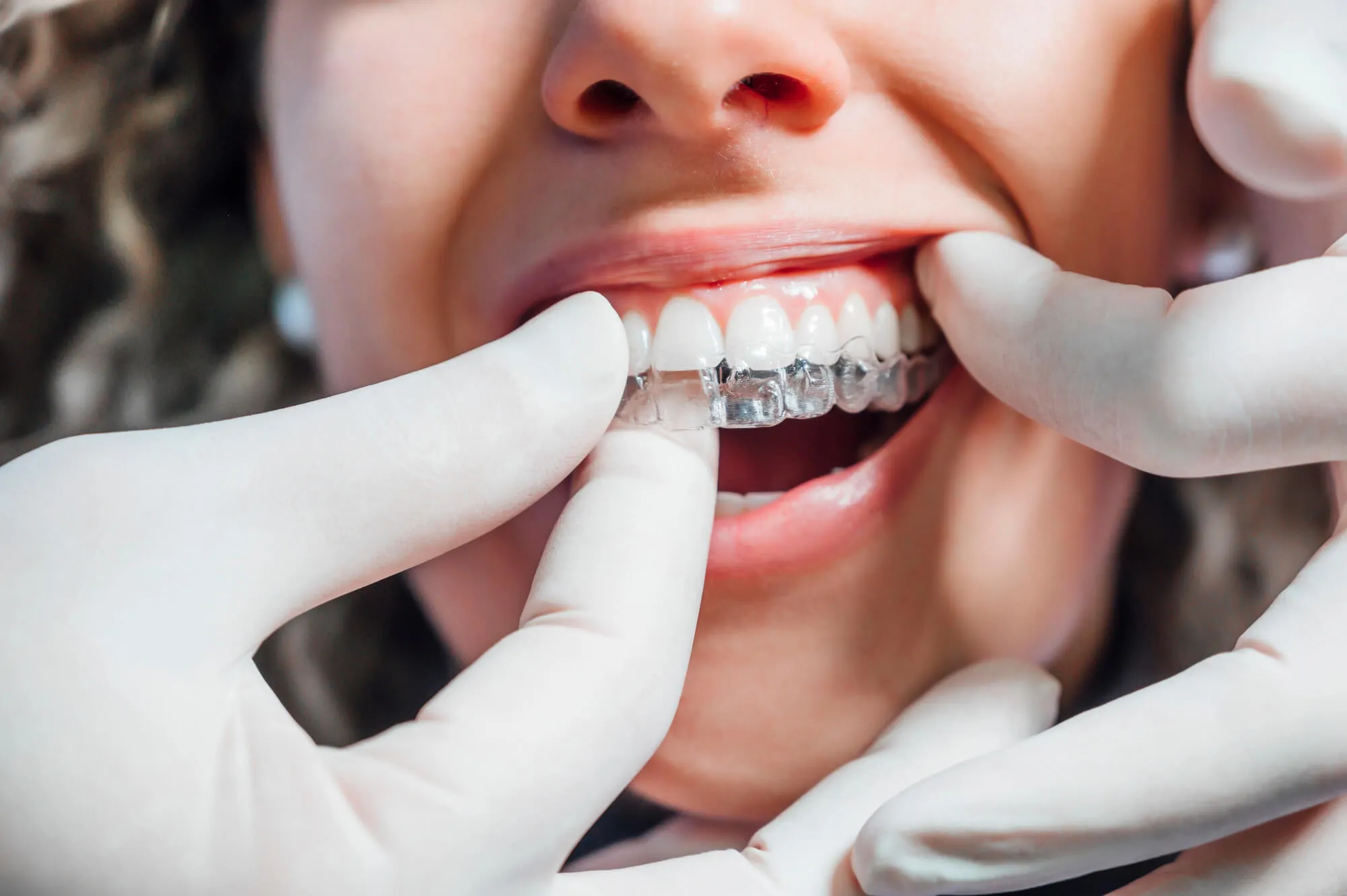
Starting Invisalign in Miami Can Feel New—But It Gets Easier Quickly
The first week of Invisalign® often comes with pressure, mild soreness, and a few routine changes. For most patients, those early adjustments don’t last long. Once you get used to wearing and removing your aligners, daily life starts to feel normal again—just with a little more structure around meals and oral care. With consistency, the process becomes easier, and small habits add up over time.
At Friedman Dental Group, Invisalign care is built around thoughtful planning, modern technology, and personalized support from start to finish. Our team takes time to answer questions, explain what’s normal, and help you feel comfortable as your treatment progresses.
Schedule your Invisalign consultation today to get clear guidance and a plan that fits your smile and lifestyle.
*Invisalign®, the Invisalign logo, and iTero®, among others, are trademarks and/ or service marks of Align Technology, Inc. or one of its subsidiaries or affiliated companies and may be registered in the U.S. and/or other countries.