

Have you been told you need a tooth replaced, but are unsure if dental implants suit your needs? Questions about bone strength, recovery, and eligibility often arise early. Dental implants provide a lasting way to restore both function and appearance, but not every patient begins at the same stage. Some are ready immediately. Others require careful assessment first. Patients considering dental implants in Coral Springs often ask what dentists consider before recommending treatment.

What Dentists Consider When Evaluating Implant Candidacy
Dental implants are designed to replace missing teeth by placing a small titanium post into the jawbone. This post acts as a stable foundation for a crown. For the implant to function as intended, the surrounding structures must support it over time.
Dentists evaluate several factors before recommending implants. These include bone health, gum condition, oral habits, and overall health history. Each of these elements helps determine how well the implant may integrate with the jawbone and how the area may respond during healing.
Adequate Jawbone Density
Jawbone density is one of the first things dentists evaluate. Dental implants rely on bone to hold them securely in place. If the bone is too thin or has weakened over time, it may not provide enough support.
Bone changes can occur after tooth loss. When a tooth is no longer present, the bone in that area may begin to shrink gradually. This can affect how well an implant can be placed.
In some cases, additional procedures such as bone grafting may be considered to support the area. Dentists assess bone levels through imaging to determine whether the structure is suitable for implant placement.
Healthy Gum Tissue
Gum health is another important factor. The gums help protect the underlying bone and provide support around the implant site.
If gum inflammation or periodontal disease is present, it may affect the healing of the implant site. Dentists often evaluate gum health and may recommend treating any inflammation before proceeding with implant placement.
Healthy gums provide a stable environment that supports both the implant and surrounding teeth.
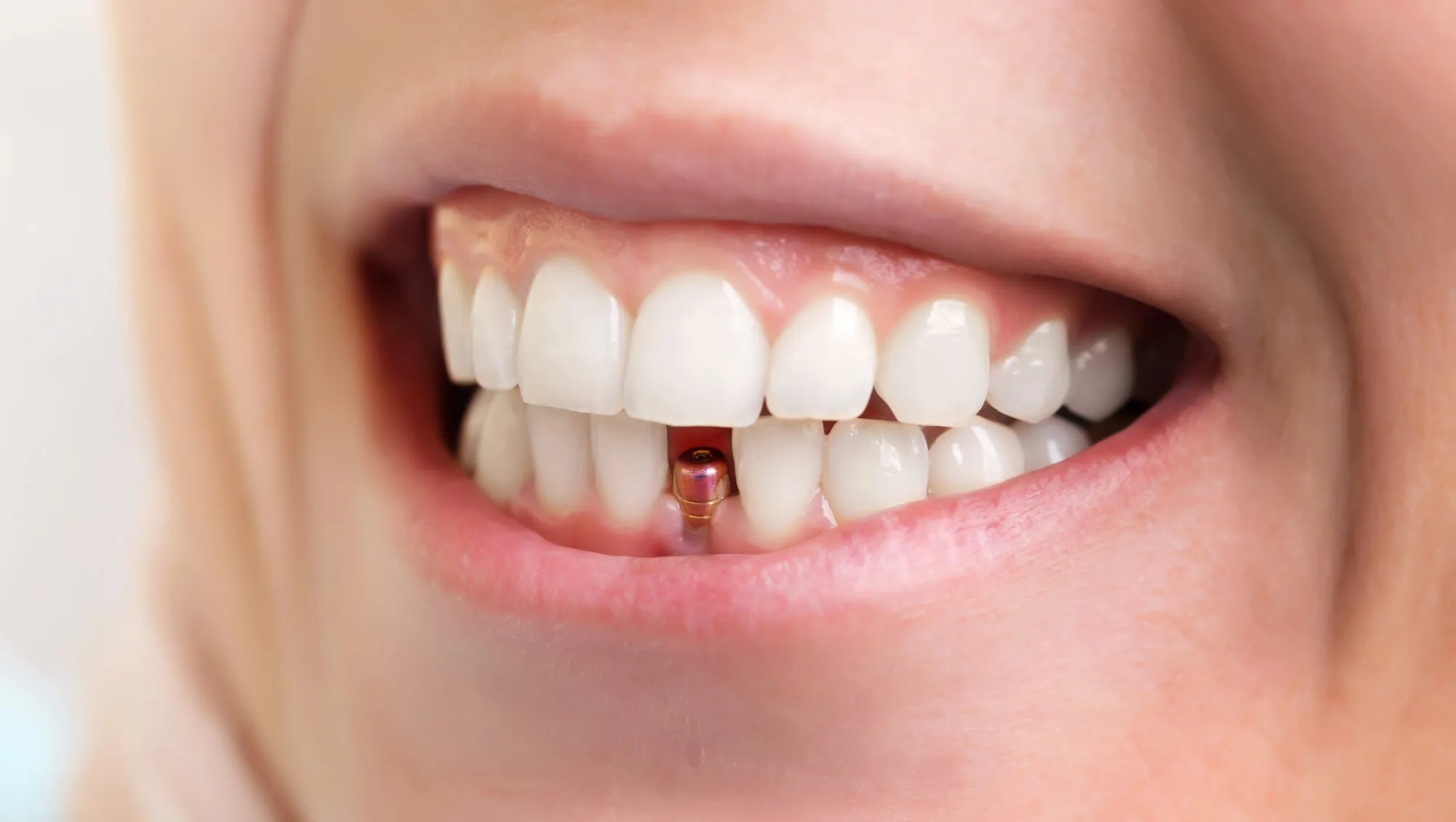
Overall Oral Health
Dentists also consider overall oral health before recommending implants. This includes checking for cavities, existing restorations, and general hygiene habits.
A stable oral environment supports better outcomes. Addressing existing dental concerns before implant placement helps create a healthier foundation for long-term results.
Regular dental care and consistent oral hygiene habits are often part of maintaining that stability.
Healing & Medical History
Healing plays a role in how the implant integrates with the bone. Certain medical conditions or medications may influence how the body responds during the healing process.
Dentists review medical history to identify factors that may affect healing. This may include conditions that influence bone health or immune response. This evaluation helps determine whether additional planning is needed before proceeding with implants.
Lifestyle Factors
Lifestyle habits can also affect implant candidacy. Habits such as smoking or frequent exposure to certain substances may influence healing and long-term maintenance.
Dentists may discuss these factors during the evaluation process. Adjustments to certain habits may be recommended to support better outcomes.
Maintaining consistent oral care routines also contributes to the long-term success of dental implants.
Bite Alignment & Tooth Position
The way teeth come together when biting is another factor dentists consider. Bite alignment affects how pressure is distributed across the teeth and jaw.
If bite forces are uneven, certain areas may experience more stress. This can influence how an implant functions over time.
Dentists evaluate alignment and may recommend adjustments if needed to support a balanced bite.
Timing After Tooth Loss
The timing of implant placement can also influence candidacy. Bone levels may change over time after a tooth is lost.
In some cases, placing an implant sooner may help preserve bone structure. In others, evaluation may focus on how the area has changed since the tooth was lost.
Dentists assess each case individually to determine the most appropriate timing.
When Dental Implants May Not Be Recommended Immediately
Not every patient is ready for implants right away. Some conditions may need to be addressed first to support a stable foundation.
These may include:
- Insufficient bone support
- Unresolved dental issues
- Factors affecting healing
Addressing these concerns first helps create a more supportive environment for implant placement later on.
Dentists often take a step-by-step approach, focusing on improving oral health before proceeding with implants.
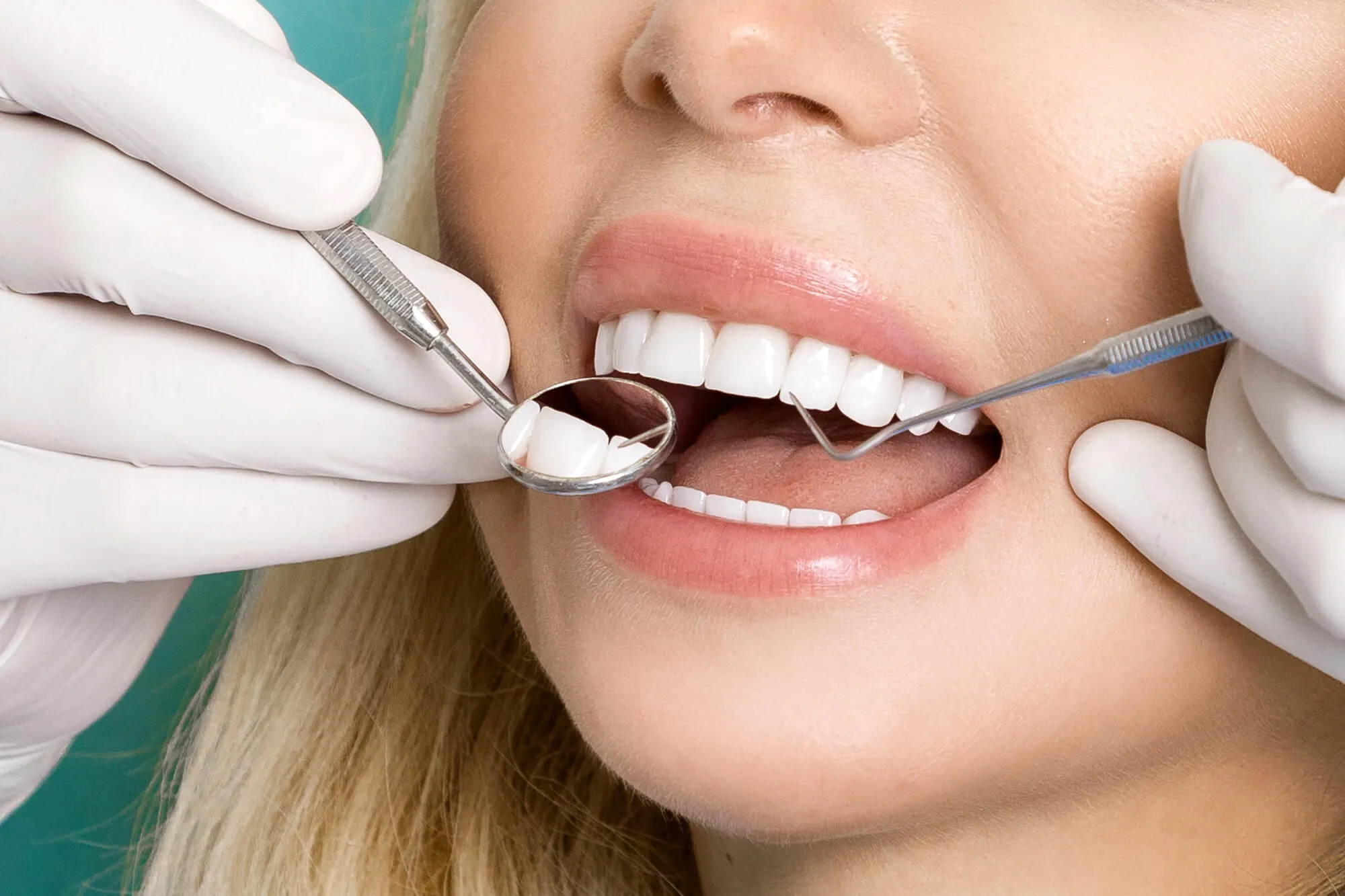
Finding Out If Dental Implants in Coral Springs Are Right for You
Dental implants can restore both function and appearance, yet candidacy depends on several factors that vary from one patient to another. Evaluating bone health, gum condition, and overall oral health helps determine whether implants are suitable and what steps may be needed before placement.
At Friedman Dental Group, patient comfort and personalized care guide every visit. Our team uses advanced dental technology in a welcoming, spa-like setting that supports a relaxed experience. If you’re interested in getting dental implants and want to know if you qualify, we recommend scheduling a consultation so our dental team can evaluate your oral health and discuss options tailored to your needs.