

That sharp jolt when sipping cold water or biting into ice cream can catch anyone off guard. Tooth sensitivity can turn simple moments like eating or drinking into an uncomfortable experience. The sensation may appear suddenly or develop gradually, leaving patients unsure about what has changed. Sensitivity often signals that the protective layers of a tooth have been affected. During an evaluation, a dentist in Lauderhill can examine the teeth and gums to determine whether enamel wear, gum recession, or minor tooth damage may be contributing to the discomfort.
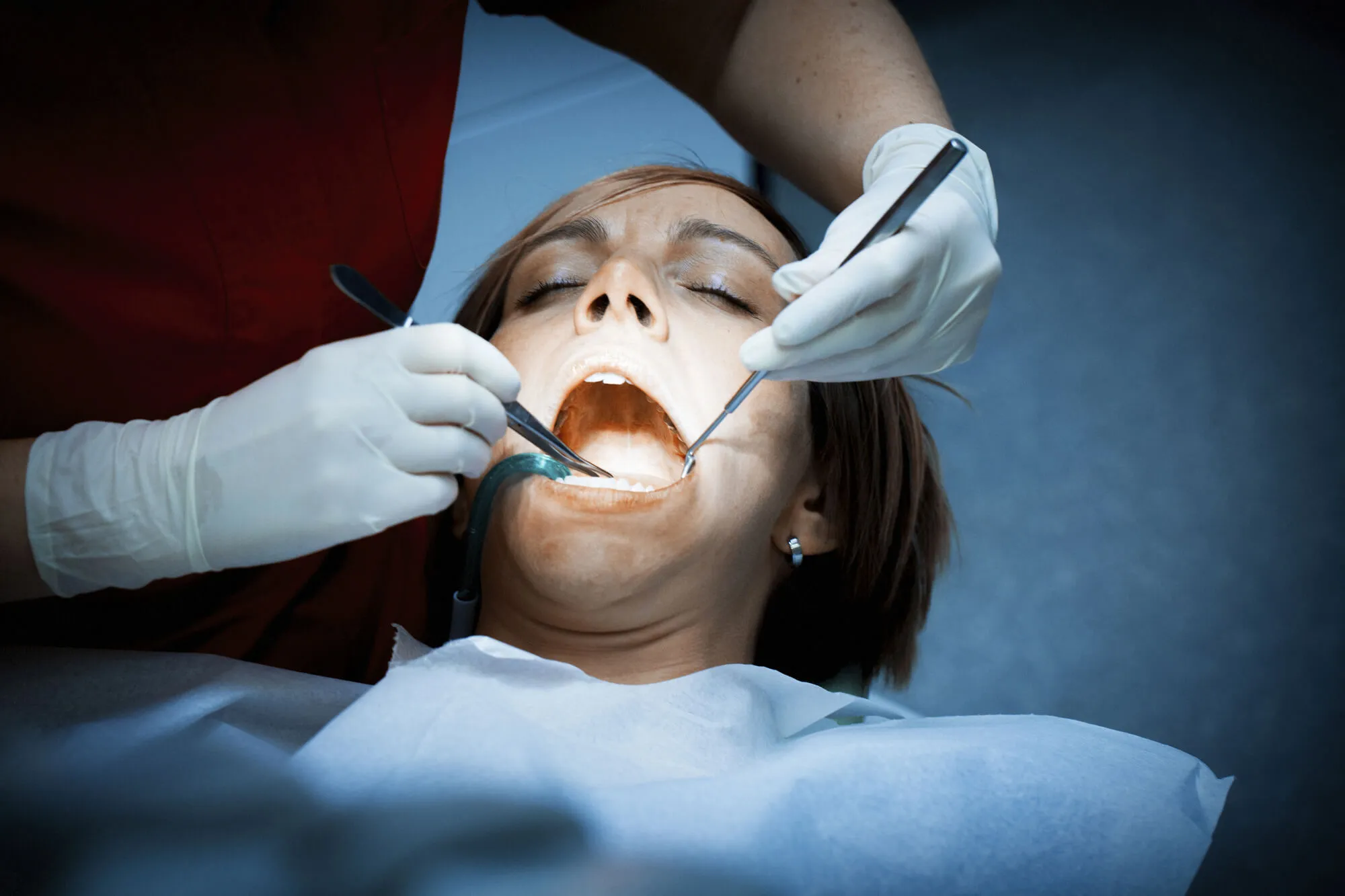
What Tooth Sensitivity May Indicate
Tooth sensitivity usually develops when the protective barrier of the tooth becomes thinner or exposed. Beneath the enamel lies dentin, which contains microscopic channels connected to the tooth’s inner nerve. When dentin is exposed, temperature changes from hot or cold foods travel through these channels to the nerve, producing the familiar sharp sensation.
Sensitivity can occur occasionally or whenever certain foods or drinks come into contact with the teeth. In some cases, even cold air may trigger discomfort. The intensity of sensitivity varies based on its cause, so dental professionals consider several factors when determining why it is occurring.
Enamel Wear
Enamel protects the outer surface of the tooth. It is the hardest substance in the human body, yet it can gradually wear down over time. Once enamel becomes thinner, dentin underneath becomes more vulnerable to stimulation.
Several everyday habits may contribute to enamel wear:
- Frequent consumption of acidic beverages such as soda or citrus drinks
- Brushing with excessive pressure
- Using a hard-bristled toothbrush
- Regular exposure to acidic foods
Acid softens enamel temporarily, making it more susceptible to wear. If brushing happens soon after acidic meals, enamel may thin more quickly. As a result, the tooth becomes more reactive to temperature changes.
Protecting enamel helps maintain comfort and supports the long-term strength of natural teeth.
Gum Recession
Healthy gums cover and protect the root portion of the teeth. Gum tissue acts as a natural barrier for areas that are more sensitive.
When gums recede, portions of the root surface become exposed. Unlike the tooth’s crown, the root lacks thick enamel and instead is covered by a thinner layer called cementum. This makes the area especially sensitive to cold foods, sweet drinks, or brushing.
Gum recession may occur because of:
- Brushing too aggressively
- Natural aging changes
- Genetic differences in gum thickness
Dental exams allow professionals to monitor gum health and identify recession early. Addressing the underlying cause helps protect the exposed areas of the tooth.
Tooth Decay
Cavities can also cause tooth sensitivity, as tooth decay develops when bacteria produce acids that weaken enamel and dentin.
As decay advances deeper, the internal nerve becomes easier to stimulate. Sensitivity then may occur when consuming sweets, cold drinks, or hot foods.
Common signs associated with cavities include:
- Sensitivity to sugary foods
- Discomfort while chewing
- Dark spots or small pits on the tooth surface
- Sensitivity to temperature changes
Routine dental visits allow cavities to be identified early, and early treatment helps prevent decay from affecting deeper areas of the tooth.
Cracked or Damaged Teeth
Even a small crack in a tooth can lead to sensitivity. Tiny fractures allow temperature changes to directly reach the tooth’s inner structure.
Some people notice discomfort when biting down or releasing pressure from a tooth. In certain situations, pain appears only while chewing specific foods.
Cracks may develop due to:
- Biting hard foods
- Teeth grinding
- Accidental trauma
- Large fillings that weaken tooth structure
Dentists carefully evaluate these symptoms, as cracks can be difficult to detect without appropriate imaging and examination.
Teeth Grinding (Bruxism)
Grinding or clenching teeth places repeated pressure on enamel surfaces. Over time, this force may flatten the biting edges of teeth and thin the protective enamel layer.
Patients who grind their teeth may experience:
- Morning jaw soreness
- Frequent headaches
- Flattened tooth edges
- Increased tooth sensitivity
Grinding often occurs during sleep, which dentists can detect during exams by identifying patterns of wear that suggest nighttime clenching. Dentists may then recommend a custom night guard to reduce pressure on the teeth and protect them from further wear.
Temporary Sensitivity After Dental Procedures
Sensitivity can sometimes appear after dental treatment. Professional cleanings, fillings, and whitening treatments may cause temporary changes in tooth sensitivity. This reaction usually improves within days as the teeth adjust. During this time, dentists often suggest desensitizing toothpaste or modified brushing techniques.
Persistent discomfort after treatment should always be evaluated by a dentist in Lauderhill, who will conduct assessments to confirm that the tooth is healing properly and identify any complications that may require attention.
When Tooth Sensitivity Should Be Evaluated
Occasional sensitivity may not always indicate a serious concern, yet persistent discomfort should be assessed. Evaluation may be helpful if sensitivity occurs often with hot or cold foods, lasts for several weeks, interferes with eating or drinking, appears suddenly, or is accompanied by visible tooth damage.
During a visit, the dentist in Lauderhill examines enamel, gum health, and bite alignment, and may use X-rays to detect hidden issues. The dentist explains how sensitivity can reflect changes in tooth structure or gum support and works with patients to identify causes. Early identification allows the dentist to recommend appropriate care for comfort and long-term oral health.

Address Tooth Sensitivity With a Dentist Lauderhill
Tooth sensitivity can make daily activities like eating or drinking uncomfortable. By identifying the cause, dentists can protect enamel, treat gum issues, and help patients regain comfort.
At Friedman Dental Group, patient comfort and personalized care shape every visit.
Our team provides comprehensive dental services in a welcoming environment to help patients achieve healthy smiles at every age. If tooth sensitivity disrupts your routine, scheduling a consultation lets our dental team determine the cause and recommend care that supports long-term oral health.