

Have you ever noticed a tooth that felt mildly sensitive one day, then noticeably more uncomfortable soon after? Tooth pain does not always follow a slow or predictable pattern. What begins as a minor irritation can quickly escalate, making it harder to eat, sleep, or focus. Because symptoms may shift quickly, they are easy to underestimate at first. When choosing a dentist in Tamarac with Cigna, understanding when changing discomfort should be evaluated can help you act sooner.
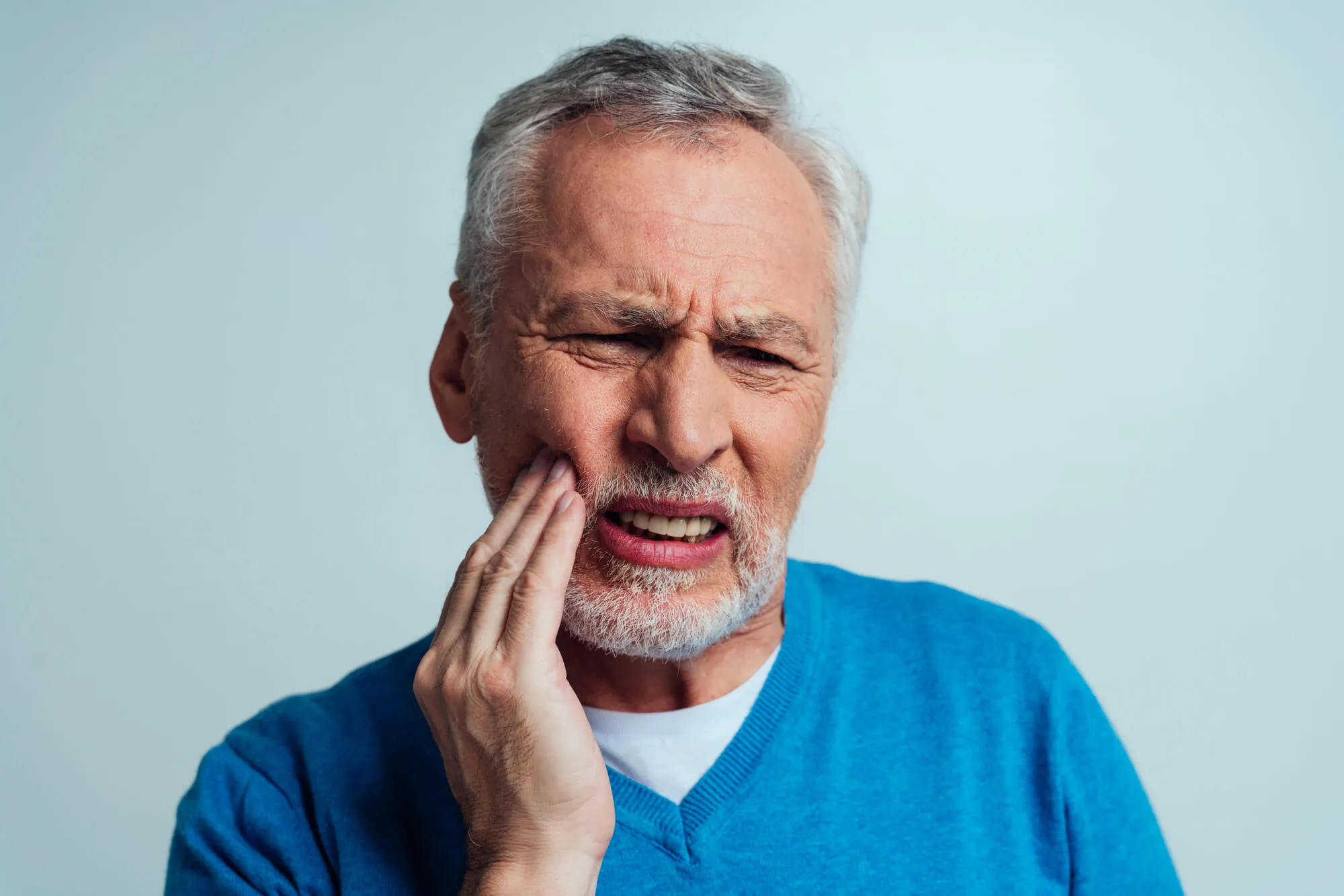
Why Tooth Pain Does Not Always Stay the Same
Tooth discomfort can change depending on the cause, the location of the issue, and how the surrounding tissues respond over time. Pain may begin subtly, then become more noticeable as the condition progresses.
Inflammation Can Build Quickly
When the inner portion of the tooth becomes irritated, pressure may increase inside the tooth. This can cause symptoms to feel stronger than they did earlier.
You may notice:
- Sensitivity that becomes sharper
- Pain that lasts longer after eating or drinking
- Discomfort that changes from mild to more noticeable
This can make a concern feel sudden, even if it has been developing gradually.
Triggers May Expand Over Time
Some patients first notice discomfort only with cold drinks or sweets. Later, other triggers may begin to cause symptoms.
These may include:
- Cold sensitivity that lingers
- Heat sensitivity that was not present before
- Discomfort during normal meals
This change may suggest that the tooth has become more reactive.
Pressure Can Affect Symptoms
Pain is not always present at rest. In some cases, it appears mainly while chewing or biting.
Examples include:
- Discomfort on one side while eating
- Sharp pain when biting down
- A feeling that one tooth reacts differently than the others
These changes may indicate that pressure is affecting the tooth or surrounding structures.
Common Reasons Tooth Pain May Progress
Several dental concerns can cause discomfort to shift over time.
Tooth Decay Reaching Deeper Layers
Tooth decay often begins on the outer surface. As it moves inward, the tooth may become more sensitive.
Early stages may involve:
- No symptoms at first
- Mild sensitivity
- Occasional discomfort
As deeper layers become involved, symptoms may feel stronger or more frequent.
Cracks or Worn Areas
A small crack or worn spot may not be obvious right away. Repeated chewing pressure can make symptoms more noticeable over time.
Patients may experience:
- Sudden pain when biting
- Discomfort that comes and goes
Because cracks are not always visible, an exam may be helpful when symptoms feel inconsistent.
Gum Irritation Around a Tooth
Pain does not always come from the tooth itself. Irritated gums can create tenderness that feels similar to tooth pain.
This may feel like:
- Soreness near the gumline
- Tenderness while brushing
- Pressure around one area of the mouth
These symptoms can be mistaken for a problem inside the tooth.
Clenching or Grinding
Grinding during sleep or clenching during stressful moments may place repeated pressure on teeth and jaw muscles.
This may lead to:
- Morning soreness
- Tooth tenderness
- Headaches near the temples
- Jaw tightness
Because this pressure may happen regularly, discomfort can build gradually.
Why Pain Sometimes Improves, Then Returns
Tooth pain is not always constant. Some symptoms ease temporarily, then come back later.
Inflammation Can Fluctuate
Changes in irritation levels may affect how pain feels from day to day.
You may notice:
- Pain one day and little discomfort the next
- Sensitivity that fades temporarily
- Symptoms that return more noticeably later
This pattern can make it difficult to judge whether the issue is improving.
Habit Changes May Reduce Symptoms Briefly
Patients often adjust without realizing it.
Examples include:
- Chewing on the opposite side
- Avoiding cold drinks
- Choosing softer foods
These changes may temporarily lessen discomfort while the underlying concern remains.
How Changing Tooth Pain Can Affect Daily Life
Even mild pain can become disruptive when it changes quickly.
Patients may find that it affects:
- Eating comfortably
- Sleeping through the night
- Concentrating at work
- Enjoying hot or cold foods
- Speaking without distraction
What begins as a small irritation can have a wider effect on daily comfort than expected.
When It May Be Time to Schedule a Visit
A dental visit may be helpful if you notice:
- Pain that becomes more frequent
- Sensitivity that lasts longer than usual
- Discomfort while chewing
- Swelling or tenderness near the gums
- Symptoms that improve and then return
Early evaluation can help identify the cause of the change and the care options available.

When Tooth Pain Changes, Visit a Dentist in Tamarac With Cigna
Tooth pain can change faster than expected, especially when the underlying cause continues to develop beneath the surface. Paying attention to shifts in sensitivity, pressure, or discomfort can help you decide when it may be time to schedule a dental visit before the issue becomes more disruptive to your daily routine.
At Friedman Dental Group, patient comfort and personalized care guide every visit. The team provides comprehensive dental services using advanced technology in a welcoming, modern setting designed for ease and comfort. If changing tooth pain has started affecting meals, sleep, or concentration, scheduling an appointment allows the dental team to evaluate the cause and recommend the most appropriate next steps for your oral health.